
United Kingdom.
The United Kingdom brings together England, Scotland, Wales and Northern Ireland, each with a distinctive sense of place. A visit can focus on museums and neighbourhoods in a large city, a stretch of coastline, mountain walking or a smaller historic town. Choosing a region first leaves more time to explore than trying to fit all four countries into a short trip.
Photo credits1
A little closer to United Kingdom
Geography, regions and practical details from the country guide. Go straight to a chapter, or browse every destination below.
Go straight to the destinationsThe United Kingdom brings together England, Scotland, Wales and Northern Ireland, each with a distinctive sense of place. A visit can focus on museums and neighbourhoods in a large city, a stretch of coastline, mountain walking or a smaller historic town. Choosing a region first leaves more time to explore than trying to fit all four countries into a short trip.
Ferry arrivals create very different starting points: a Channel crossing, a North Sea route and a landing in Northern Ireland do not lead into the same transport network. Plan the port, onward connection and first overnight stay together. A few well-chosen bases can combine waterfronts, local food, cultural attractions and countryside without making every day a transfer day.
Landscape and trip style
Great Britain is the island containing England, Scotland and Wales; the United Kingdom also includes Northern Ireland, on the island of Ireland. The Republic of Ireland is a separate state. Jersey, Guernsey and the Isle of Man are Crown Dependencies, not parts of the UK. This distinction matters when combining islands and countries: check each destination’s own entry and transport information rather than treating nearby places as one jurisdiction.
Regions to explore
England offers London’s major cultural sights, Liverpool’s music heritage, the Lake District and the coast of Cornwall. Scotland combines Edinburgh and Glasgow with the Highlands, lochs and island journeys. In Wales, Cardiff gives a city base, Eryri brings mountain landscapes and Pembrokeshire a rugged coast. Belfast introduces Northern Ireland through its Titanic Quarter, Ulster Museum and Botanic Gardens. Choose the countryside extension to match your city or arrival port, rather than adding a distant landmark simply because it is famous.
Language
English is widely used, but local languages are part of everyday identity. Welsh is spoken in communities and appears on bilingual signs; retain Welsh place names when navigating. Scottish Gaelic and Scots are distinct, with Gaelic particularly associated with the Highlands and islands. Irish and Ulster-Scots contribute to Northern Ireland’s cultural life. Do not describe all of these as English dialects, and keep the local spelling of a station, harbour or accommodation address.
Money
The currency is pound sterling, GBP, divided into one hundred pence. Cards and mobile payments are common, though smaller businesses can have different arrangements. Carry a backup way to pay and check overseas-card charges with your bank. When a restaurant bill already includes a service charge, read it before adding a tip. Crossing into the Republic of Ireland means a change to a different country and currency; budget that segment separately.
Culture and food
Regional food makes a useful thread through a trip: a Cornish pasty in Cornwall, griddle-cooked Welsh cakes in Wales or haggis in Scotland. Belfast’s Cathedral Quarter adds live music and contemporary city life to the maritime story. Markets, museums and local performances reveal different communities beyond the familiar royal landmarks. Leave time for an ordinary neighbourhood meal as well as the major attractions, and choose food according to your own dietary needs.
When to go
Weather changes rapidly, and the generally milder, drier south and east differ from the wetter, windier north and west. Summer offers longer days but does not guarantee dry weather. Spring and autumn suit city-and-landscape combinations with flexible outdoor plans; winter has short daylight and can bring rain, wind, frost or snow depending on location. Britain uses Greenwich Mean Time in winter and British Summer Time, one hour ahead, during the summer clock period.
Getting there
Select an airport or ferry port near the region you want to visit, then check the complete onward journey. Eurostar is the passenger train through the Channel Tunnel to London St Pancras; LeShuttle carries vehicles between the Calais area and Folkestone and does not accept ordinary foot passengers. Ferry pedestrian arrangements vary by operator and route. For entry, consult GOV.UK: visa or electronic travel authorisation requirements depend on nationality, immigration status and purpose of travel.
Getting around
National Rail journey information covers rail travel in Great Britain, while Northern Ireland rail services are operated through Translink. Local transport tickets are separate from many intercity products. In London, use the same contactless card or device consistently; rail journeys normally require touching in and out, but buses and trams require only touching in. For rural stays, verify the final bus connection as carefully as the main train. Drivers keep to the left and should check local emission-zone conditions.
Planning your stay
Match the accommodation to the actual arrival point and the activities you want to reach without repeated long journeys. Bring an adapter for the UK’s three-rectangular-pin Type G socket. Countryside access differs by nation: England’s open-access rights do not generally include camping, while Scotland permits responsible camping where access rights apply. Check local restrictions and signs. Review the official visitor requirements before departure, including passport validity for the whole visit; an ETA is permission to travel, not a guarantee of admission.
Good to know before you go
Are Britain and the United Kingdom the same?
Great Britain is England, Scotland and Wales on one island. The United Kingdom also includes Northern Ireland. Jersey, Guernsey and the Isle of Man are separate Crown Dependencies.
Does everyone need a UK ETA?
No. Requirements depend on nationality, immigration status and travel purpose. Use the official GOV.UK checker rather than assuming an ETA replaces a visa for everyone.
Can I use LeShuttle without a car as a foot passenger?
No ordinary foot passengers are accepted. Eurostar is the separate passenger rail service; check ferry operators separately for pedestrian travel.
Does a London payment card cover every British train?
No. London pay-as-you-go arrangements are local products. Check the specific intercity or regional journey and use Translink for Northern Ireland rail information.
Can I camp anywhere in the UK?
No. Access rights and local restrictions differ. England’s open-access land is not general camping permission, and Scotland’s responsible-access provisions also have limits.
Sources & references
These references support the guide. Confirm opening hours, access and travel services before you go.
- 01VisitBritain — four nations and destinations
- 02Heathrow — Great Britain and United Kingdom
- 03UK Government — Crown Dependencies status
- 04VisitBritain — Scotland regions
- 05VisitBritain — Wales regions
- 06Tourism Northern Ireland — Belfast culture and sights
- 07Visit Wales — Welsh language and signs
- 08VisitScotland — living Gaelic language
- 09Scottish Government — Scots language
- 10Tourism Ireland — languages across Ireland
- 11VisitBritain — money, payments and electrical sockets
- 12VisitBritain — regional food
- 13Met Office — regional climate
- 14Met Office — seasonal weather
- 15VisitBritain — international transport
- 16LeShuttle — conditions of carriage, foot-passenger exclusion
- 17VisitBritain — rail and road travel
- 18NI Direct — Northern Ireland rail services
- 19Transport for London — pay-as-you-go use
- 20UK Government — visitor requirements
- 21UK Government — electronic travel authorisation
- 22UK Government — English open-access rights and camping limits
- 23NatureScot — responsible camping in Scotland
- 24UK Government — clock changes
Find your place in United Kingdom
Open the guides, get a feel for the differences between places, and find the ones that fit your plans.
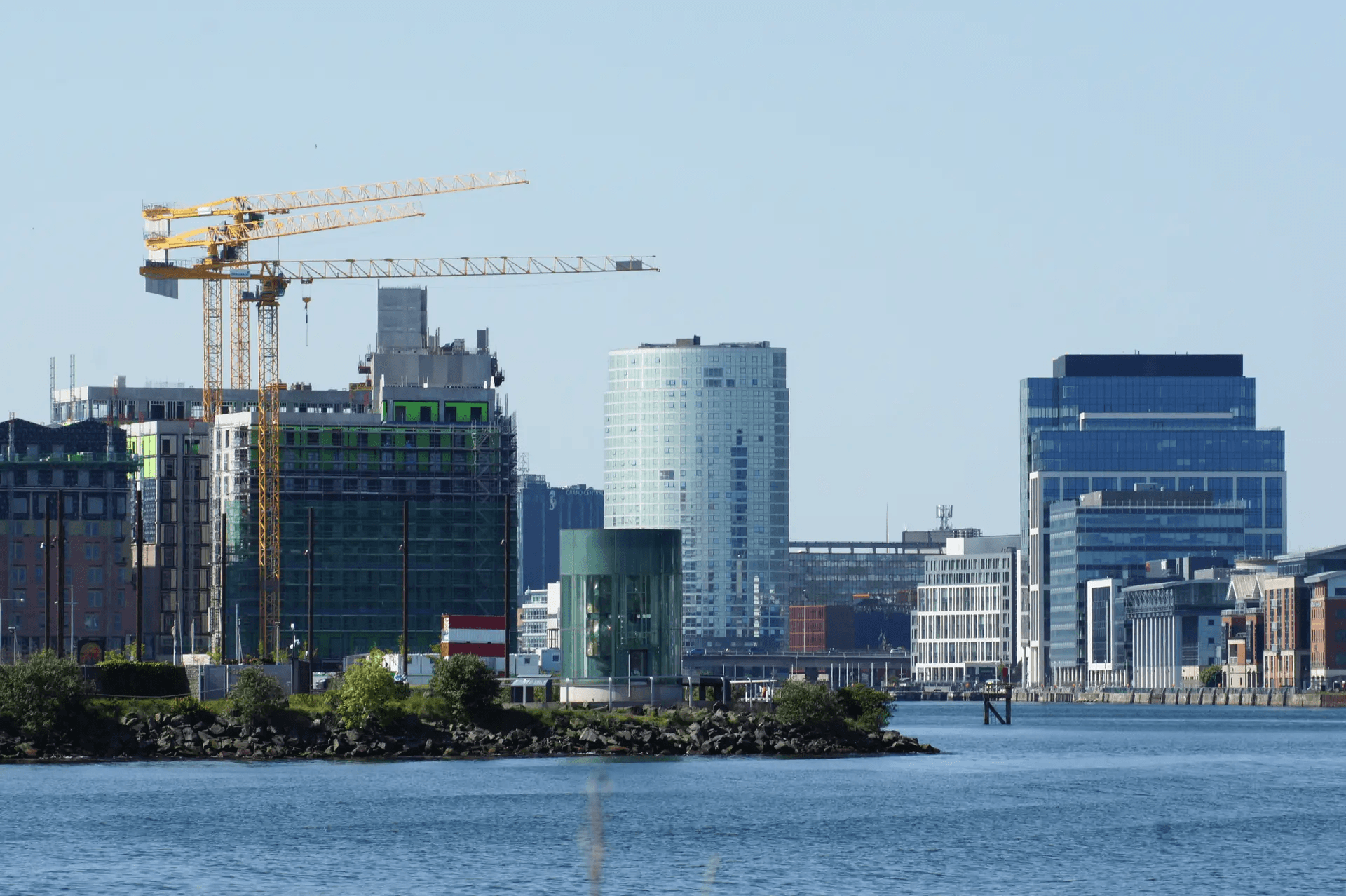
Belfast
Belfast is Northern Ireland’s capital and a port city with a strong maritime, industrial and cultural identity. The centre, River Lagan and Titanic Quarter make a rewarding first circuit: walk between public waterfront spaces, then give the shipbuilding story proper time in its museums. The passenger ferry terminals are separate transport destinations, not the same place as the visitor attractions beside Titanic Belfast.
Read the field guide
Cairnryan
Cairnryan is a small settlement beside Loch Ryan in south-west Scotland and a sea gateway to Northern Ireland. Its two ferry terminals serve different destinations: Stena Line sails to Belfast, while P&O connects with Larne. Treat the operator and terminal on your ticket as part of the destination, rather than navigating simply to the village.
Read the field guide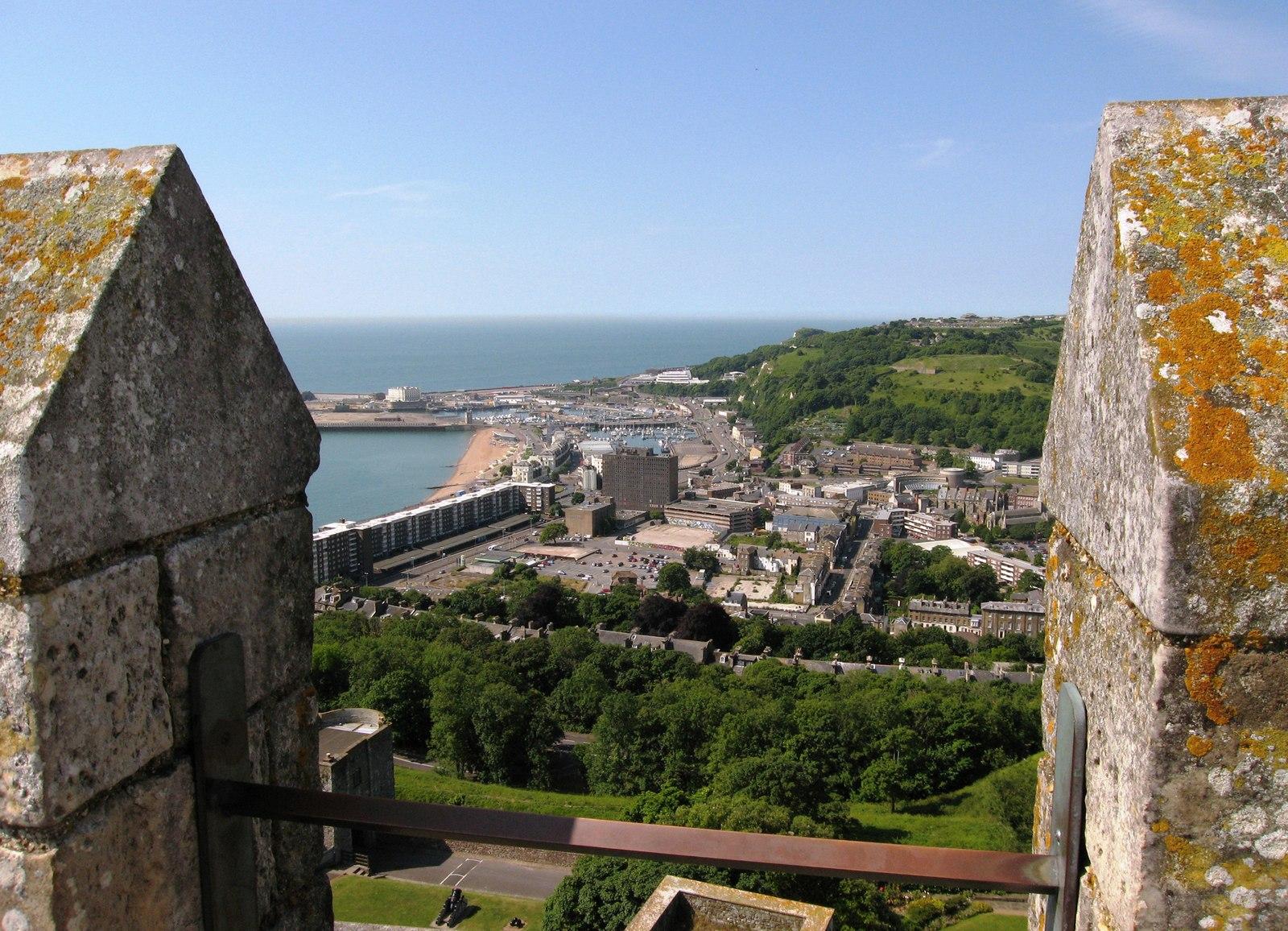
Dover
Dover is a Channel gateway with a much older maritime story than its modern ferry lanes suggest. Start in the town centre with the prehistoric boat displayed at Dover Museum, then look uphill to the castle and out across the harbour. Those three settings explain different chapters of the place without requiring a long journey around Kent.
Read the field guide
East Cowes
East Cowes sits on the eastern bank of the River Medina, where ferries from Southampton meet a town shaped by maritime industry and its royal neighbour, Osborne. It is a useful place to slow down after the crossing: the heritage centre, esplanade and former royal estate offer distinct reasons to stay rather than immediately drive across the island.
Read the field guide Area near Fishbourne
Fishbourne
Fishbourne is the Isle of Wight ferry arrival beside Wootton Creek, with woodland, a small shore and Quarr Abbey close enough to shape a quiet first day. It is a village and working port, not a substitute name for the whole island. The route from Portsmouth brings both vehicles and pedestrians here, while the separate FastCat lands at Ryde Pier Head.
Read the field guide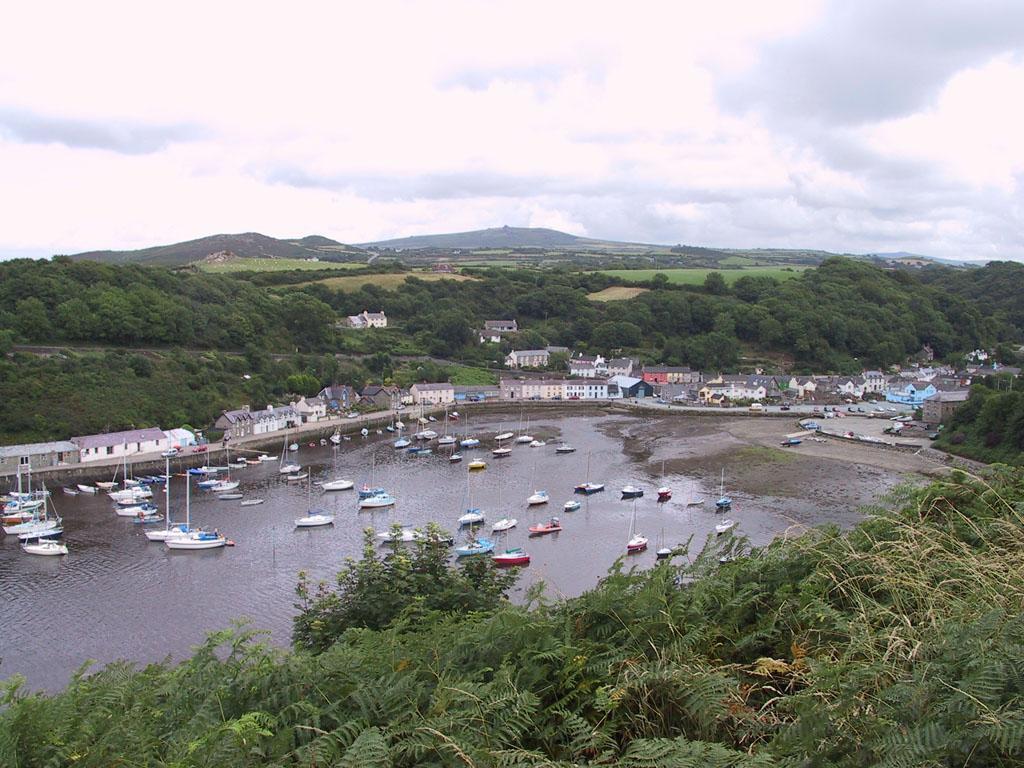
Fishguard
Fishguard and neighbouring Goodwick make a useful Pembrokeshire coastal base, with an old harbour, a working ferry port and walking routes in different directions. The distinction matters: boats for Rosslare use the modern harbour at Goodwick, while the cottages and waterside views of Fishguard’s Lower Town belong to the older harbour farther east. Leave room to explore beyond the terminal.
Read the field guide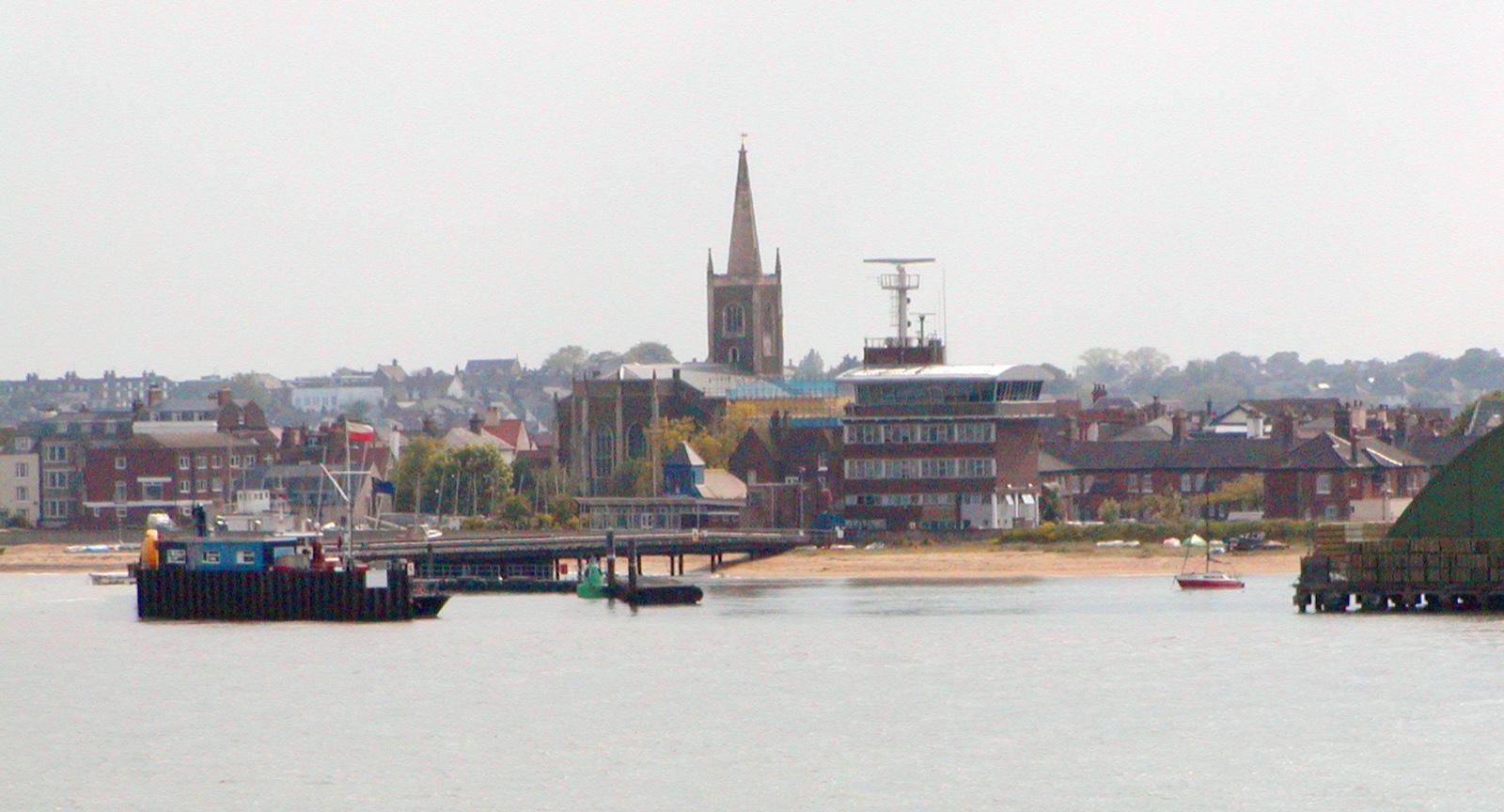
Harwich
Harwich is both a North Sea gateway and a compact historic seaport worth a stop in its own right. The old town’s lanes lead to Ha’penny Pier and views across the busy Stour and Orwell estuary. Nearby Dovercourt adds a longer seafront and beach, while the international ferry terminal stands separately at Parkeston Quay. Choosing the right part of town makes an overnight stop much easier.
Read the field guide
Holyhead
Holyhead, or Caergybi, combines the practical bustle of an Irish Sea ferry town with a coastline of heath, coves and dramatic cliffs. It stands on Holy Island beside Anglesey. The rail station and ferry terminal are closely connected, but South Stack, the mountain paths and Trearddur Bay are separate outings that need time beyond a change of transport.
Read the field guide
Hull (Kingston upon Hull)
Kingston upon Hull, usually shortened to Hull, is a city of maritime museums, old streets and a waterfront where working-port history meets independent shops and cafés. The Old Town, Museums Quarter, marina and Fruit Market make a rewarding short-break circuit. They are separate from the international ferry terminal at King George Dock, so leave time for a transfer rather than assuming your ship arrives beside the sightseeing waterfront.
Read the field guide
Isle Of Wight
The Isle of Wight combines sandy eastern beaches, western cliffs, royal estates and small harbour towns across the Solent from southern England. A holiday here can move from Osborne’s rooms and gardens to a steam railway or a coastal walk. The island is the destination; Fishbourne, Ryde, East Cowes, West Cowes and Yarmouth are different arrival points with different onward journeys.
Read the field guide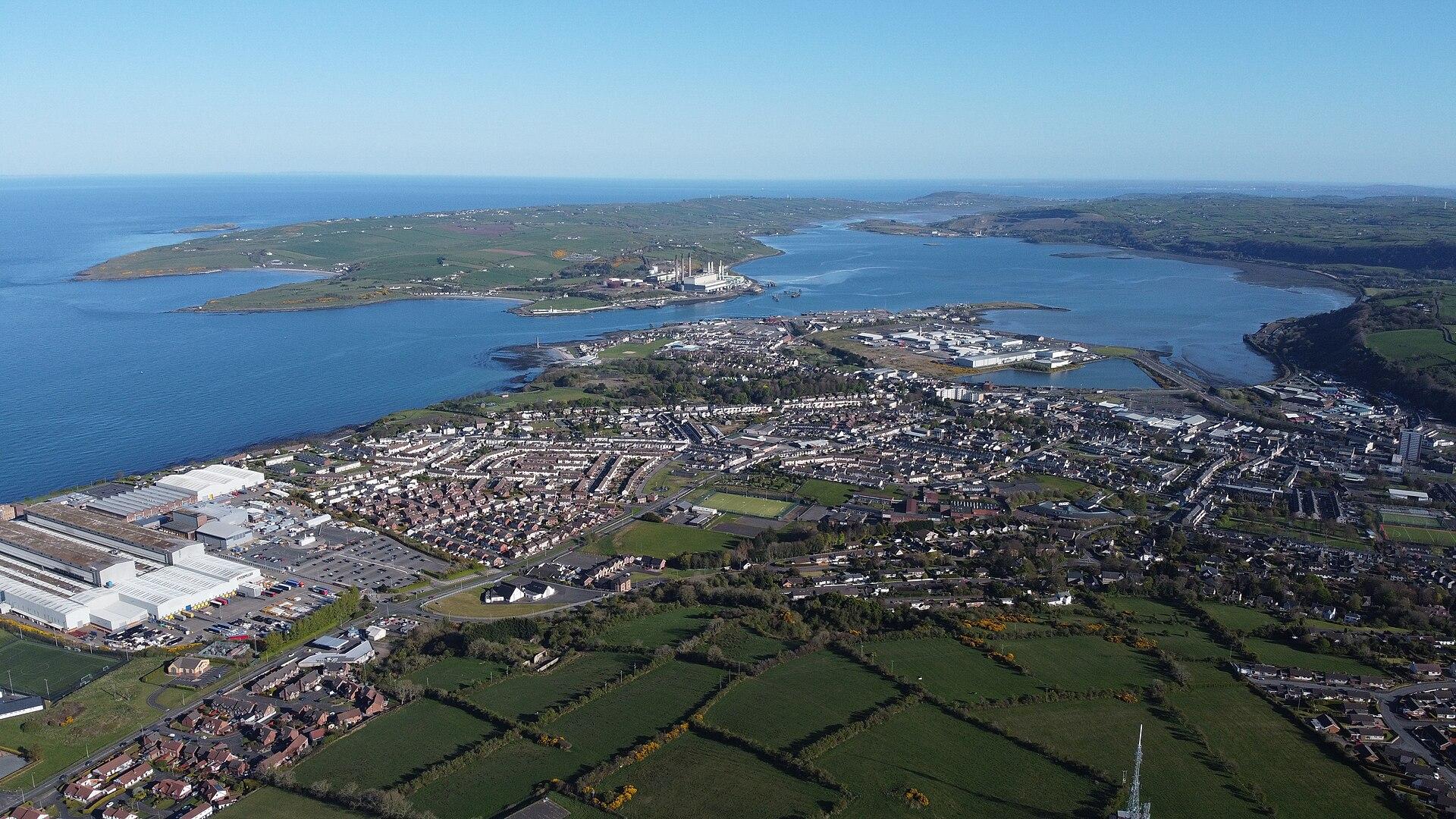
Larne
Larne is both a working ferry town and a starting point for a slower journey along the Antrim coast. Beyond the boarding lanes are a seaside promenade, a local museum, murals and the Chaine Memorial Tower overlooking the harbour entrance. Give the town time before heading towards the villages and cliffs of the Causeway Coastal Route.
Read the field guide
Liverpool
Liverpool is a city of music, maritime history and distinctive neighbourhoods on the Mersey. Start with the Pier Head and Royal Albert Dock, then follow a different thread inland: Georgian streets, galleries, the Cavern Quarter or the former warehouses of the Baltic Triangle. Its cultural life rewards more than a quick photograph before boarding a ferry.
Read the field guide
Lymington
Lymington is a Georgian market town where a sloping High Street leads towards a cobbled quay, fishing boats and yachts. Its setting brings together the New Forest and the Solent, with salt-marsh walks close to the town and the Isle of Wight across the water. Give it time for its own museum, market and waterfront rather than treating it only as a ferry connection.
Read the field guide
Newcastle upon Tyne (Port of Tyne / North Shields)
Newcastle upon Tyne combines a dramatic river setting with a compact centre of Georgian streets, covered markets and medieval remains. Start along the Quayside for the Tyne Bridge and Gateshead Millennium Bridge, then climb towards the Castle and Grey Street. Across the river, Gateshead extends the cultural outing, while Ouseburn adds workshops, music and former industrial spaces.
Read the field guide
Newhaven
Newhaven is a working Sussex port where the River Ouse reaches the Channel, with fishing boats, a cross-Channel ferry and a clifftop fort shaping the landscape. Give the town its own stop rather than treating it simply as Brighton’s departure point: the West Quay, Castle Hill and nearby wetlands show different sides of its maritime setting.
Read the field guide
Pembroke
Pembroke’s castle stands above a tidal inlet, with the old town extending east along Main Street. Walls, a mill pond and Georgian façades make this a rewarding small-town stop before exploring the limestone coast of southern Pembrokeshire. Its Tudor connection is tangible: Henry VII was born at the castle.
Read the field guide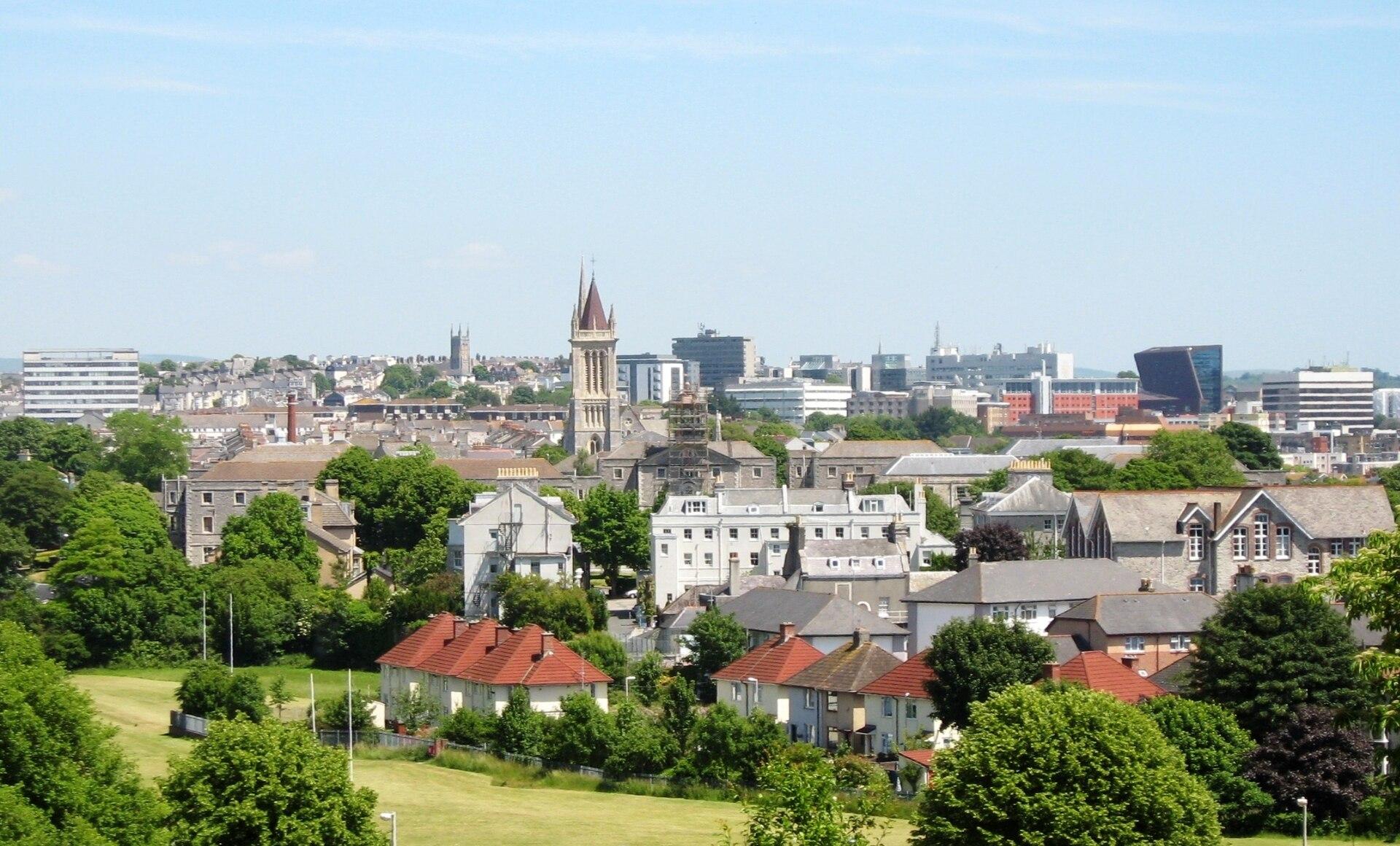
Plymouth
Plymouth faces a broad natural harbour where the waterfront changes from the Barbican’s cobbled lanes to the open grass of the Hoe and the stone buildings of Royal William Yard. Its maritime history is visible in the landscape, while The Box and the National Marine Aquarium give the city substantial indoor attractions.
Read the field guide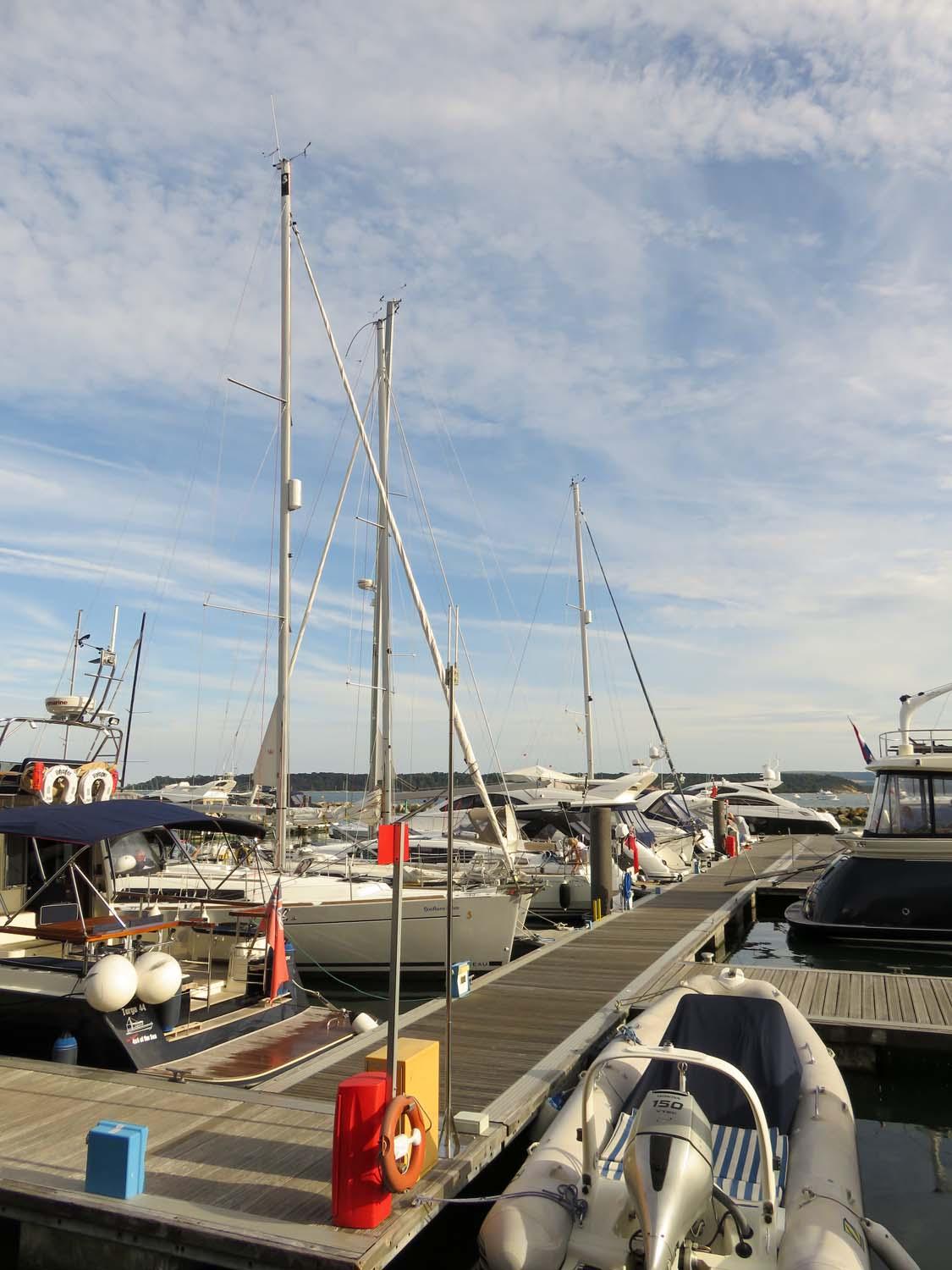
Poole
Poole is a Dorset harbour town with three quite different waterfront experiences: the working Quay and Old Town, the sandy peninsula of Sandbanks, and the wooded islands and sheltered inlets inside the harbour. A visit can move from maritime history to beach time without losing sight of the boats that shape local life.
Read the field guide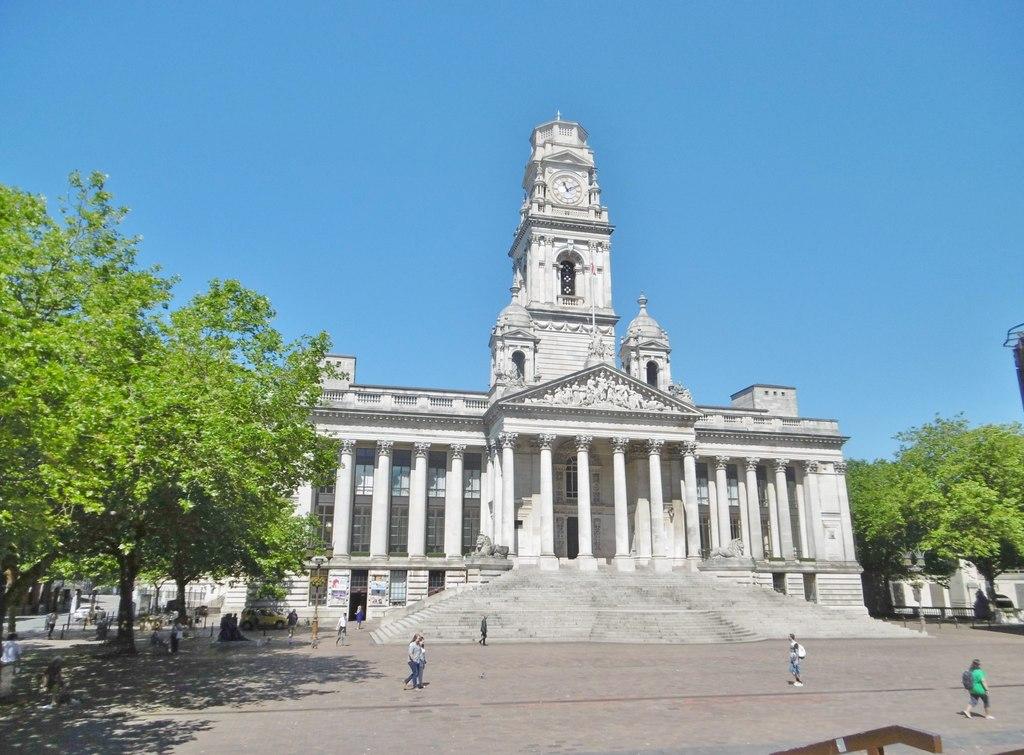
Portsmouth
Portsmouth is a naval city with a tightly connected harbour landscape: historic warships, old defensive walls, modern waterfront development and the open seafront of Southsea. The interest lies in moving between these different layers, rather than treating the city only as a departure point for France or the Isle of Wight.
Read the field guide
Ryde
Ryde rises from the north-east shore of the Isle of Wight, with a long pier, sandy foreshore and shopping streets climbing inland. It is both an arrival town and a place to spend time: the seafront leads east towards Appley and Puckpool, while Union Street offers an alternative to a purely beach-based day.
Read the field guide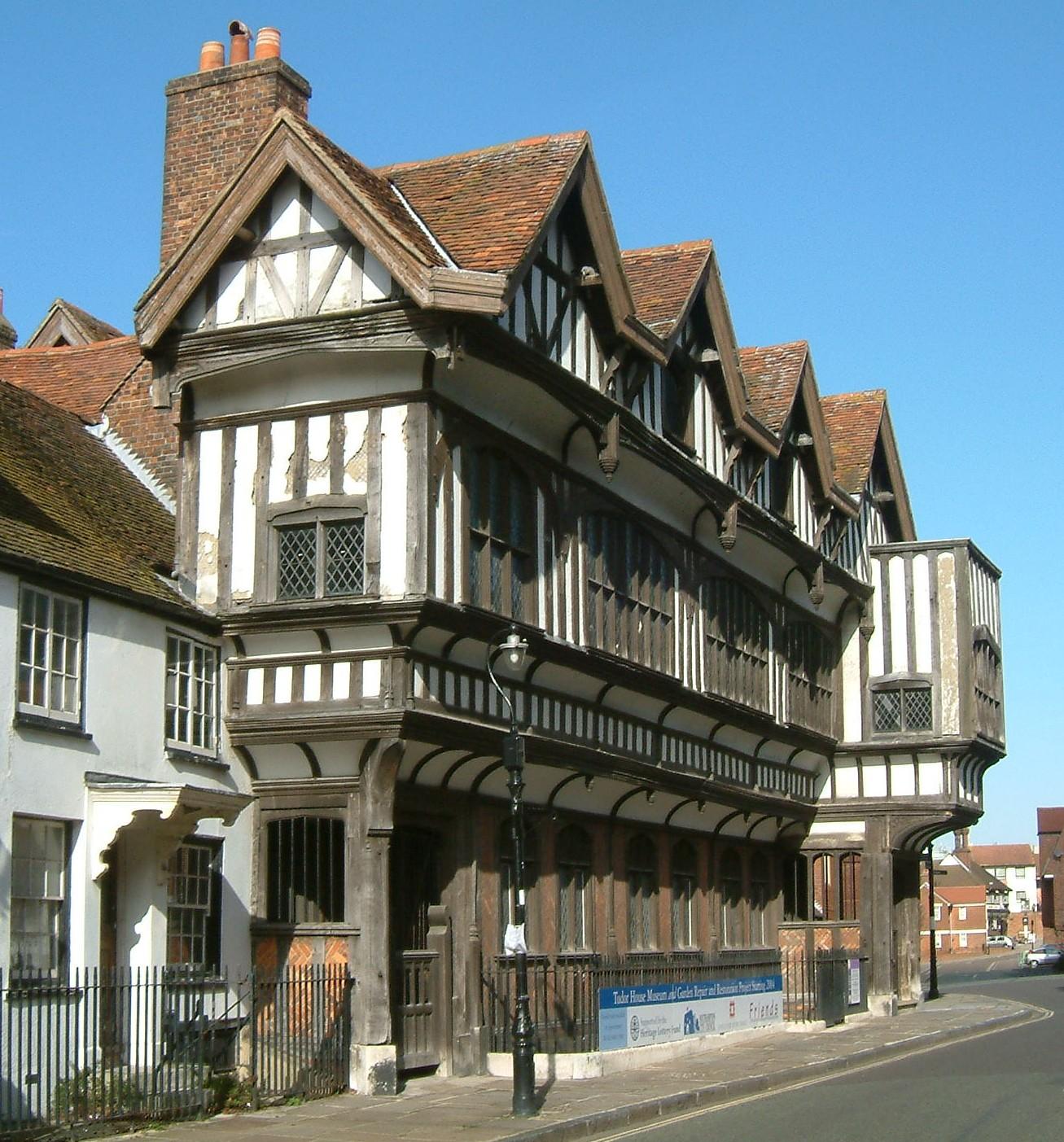 Southampton city overview — Tudor House
Southampton
Southampton is a working port city whose maritime story reaches well beyond a ship departure. Medieval walls and merchant houses survive around the Old Town, while SeaCity Museum explains how seafaring, migration and the Titanic shaped local lives. Leave time between the station and the waterfront to explore that city rather than treating it as a waiting room.
Read the field guide
West Cowes
West Cowes, usually called simply Cowes, occupies the western side of the River Medina where it reaches the Solent. Yachts, boatbuilding and waterfront streets give it a clear identity, with the High Street and Parade forming a compact route from the passenger ferry into town. It is a northern Isle of Wight base, not a name for the whole island.
Read the field guide
Yarmouth
Yarmouth is a compact harbour town in the west of the Isle of Wight, where the Western Yar reaches the Solent. Its ferry arrival is unusually close to the streets you want to explore: the castle, town square and wooden pier form an easy first circuit. This is the Isle of Wight town, distinct from Great Yarmouth in Norfolk.
Read the field guidePhoto credits23
- Depicts: BelfastBelfast Skyline City Quays. Author: Davidw1406. Credit: Own work. License: CC0 (https://creativecommons.org/publicdomain/zero/1.0/). Source: https://commons.wikimedia.org/wiki/File:Belfast_Skyline_City_Quays.png
- Depicts: Cairnryan"European Causeway" Cairnryan - geograph.org.uk - 7540208. Author: Billy McCrorie. Credit: Geograph Britain and Ireland. License: CC BY-SA 2.0 (https://creativecommons.org/licenses/by-sa/2.0). Source: https://commons.wikimedia.org/wiki/File:%22European_Causeway%22_Cairnryan_-_geograph.org.uk_-_7540208.jpgCropped to fit the display.
- Depicts: DoverDover from the top of Dover Castle - geograph.org.uk - 4061940. Author: Dave Croker. Credit: Geograph Britain and Ireland. License: CC BY-SA 2.0 (https://creativecommons.org/licenses/by-sa/2.0). Source: https://commons.wikimedia.org/wiki/File:Dover_from_the_top_of_Dover_Castle_-_geograph.org.uk_-_4061940.jpgCropped to fit the display.
- Depicts: East CowesEAST COWES HARBOUR INDUSTRY... (8169284465). Author: Ronald Saunders from Warrington, UK. Credit: EAST COWES HARBOUR INDUSTRY.... License: CC BY-SA 2.0 (https://creativecommons.org/licenses/by-sa/2.0). Source: https://commons.wikimedia.org/wiki/File:EAST_COWES_HARBOUR_INDUSTRY..._(8169284465).jpgCropped to fit the display.
- Area image: Fishbourne Ferry Terminal waiting area — Area near FishbourneFishbourne Ferry Terminal waiting area - geograph.org.uk - 7610676. Author: Steve Daniels. Credit: Geograph Britain and Ireland. License: CC BY-SA 2.0 (https://creativecommons.org/licenses/by-sa/2.0). Source: https://commons.wikimedia.org/wiki/File:Fishbourne_Ferry_Terminal_waiting_area_-_geograph.org.uk_-_7610676.jpgCropped to fit the display.
- Depicts: FishguardFishguard Harbour. Author: Tim A Lee at English Wikipedia. Credit: Transferred from en.wikipedia to Commons.. License: Public domain (https://creativecommons.org/publicdomain/mark/1.0/). Source: https://commons.wikimedia.org/wiki/File:Fishguard_Harbour.JPG
- Depicts: HarwichHarwich England. Author: EvaK. Credit: Private collection institution QS:P195,somevalue,P3831,Q768717. License: CC BY-SA 2.5 (https://creativecommons.org/licenses/by-sa/2.5). Source: https://commons.wikimedia.org/wiki/File:Harwich_England.jpgCropped to fit the display.
- Depicts: HolyheadHolyhead - 2024-06-15 04. Author: 瑞丽江的河水. Credit: Own work. License: CC BY-SA 4.0 (https://creativecommons.org/licenses/by-sa/4.0). Source: https://commons.wikimedia.org/wiki/File:Holyhead_-_2024-06-15_04.jpgCropped to fit the display.
- Depicts: Hull (Kingston upon Hull)The Maltings, Silvester Street, Kingston upon Hull - geograph.org.uk - 3342844. Author: Bernard Sharp. Credit: Geograph Britain and Ireland. License: CC BY-SA 2.0 (https://creativecommons.org/licenses/by-sa/2.0). Source: https://commons.wikimedia.org/wiki/File:The_Maltings,_Silvester_Street,_Kingston_upon_Hull_-_geograph.org.uk_-_3342844.jpgCropped to fit the display.
- Depicts: Isle Of Wight
- Depicts: LarneLARNE TOWN. Author: C LEITCH. Credit: Own work. License: CC BY-SA 4.0 (https://creativecommons.org/licenses/by-sa/4.0). Source: https://commons.wikimedia.org/wiki/File:LARNE_TOWN.jpgCropped to fit the display.
- Depicts: LiverpoolPier Head, Liverpool - geograph.org.uk - 3059094. Author: Peter Tarleton. Credit: Geograph Britain and Ireland. License: CC BY-SA 2.0 (https://creativecommons.org/licenses/by-sa/2.0). Source: https://commons.wikimedia.org/wiki/File:Pier_Head,_Liverpool_-_geograph.org.uk_-_3059094.jpgCropped to fit the display.
- Depicts: LymingtonLymington, Hampshire, England-2Oct2011. Author: Ian Stannard from Southsea, England. Credit: Lymington Harbour Uploaded by snowmanradio. License: CC BY-SA 2.0 (https://creativecommons.org/licenses/by-sa/2.0). Source: https://commons.wikimedia.org/wiki/File:Lymington,_Hampshire,_England-2Oct2011.jpgCropped to fit the display.
- Depicts: Newcastle upon Tyne (Port of Tyne / North Shields)Newcastle-upon-Tyne-bridges-and-skyline cropped. Author: JimmyGuano. Credit: Newcastle-upon-Tyne-bridges-and-skyline.jpg. License: CC BY-SA 4.0 (https://creativecommons.org/licenses/by-sa/4.0). Source: https://commons.wikimedia.org/wiki/File:Newcastle-upon-Tyne-bridges-and-skyline_cropped.jpgCropped to fit the display.
- Depicts: NewhavenNewhaven, East Sussex, England-2Oct2011. Author: Ian Stannard from Southsea, England. Credit: Newhaven Harbour Uploaded by snowmanradio. License: CC BY-SA 2.0 (https://creativecommons.org/licenses/by-sa/2.0). Source: https://commons.wikimedia.org/wiki/File:Newhaven,_East_Sussex,_England-2Oct2011.jpgCropped to fit the display.
- Depicts: PembrokePembroke Town Trail 19 - geograph.org.uk - 4879131. Author: welshbabe. Credit: Geograph Britain and Ireland. License: CC BY-SA 2.0 (https://creativecommons.org/licenses/by-sa/2.0). Source: https://commons.wikimedia.org/wiki/File:Pembroke_Town_Trail_19_-_geograph.org.uk_-_4879131.jpgCropped to fit the display.
- Depicts: PlymouthPlymouth City. Author: Jabarney. Credit: Own work. License: CC BY-SA 3.0 (https://creativecommons.org/licenses/by-sa/3.0). Source: https://commons.wikimedia.org/wiki/File:Plymouth_City.JPGCropped to fit the display.
- Depicts: PooleA pontoon in Poole Marina - geograph.org.uk - 5467694. Author: Steve Daniels. Credit: Geograph Britain and Ireland. License: CC BY-SA 2.0 (https://creativecommons.org/licenses/by-sa/2.0). Source: https://commons.wikimedia.org/wiki/File:A_pontoon_in_Poole_Marina_-_geograph.org.uk_-_5467694.jpgCropped to fit the display.
- Depicts: PortsmouthPortsmouth Guildhall - geograph.org.uk - 5431834. Author: Mike Faherty. Credit: Geograph Britain and Ireland. License: CC BY-SA 2.0 (https://creativecommons.org/licenses/by-sa/2.0). Source: https://commons.wikimedia.org/wiki/File:Portsmouth_Guildhall_-_geograph.org.uk_-_5431834.jpgCropped to fit the display.
- Depicts: RydeRydefromthesolent. Author: David Jones from Isle of Wight, United Kingdom. Credit: Ryde from the Solent Uploaded by DavidJones. License: CC BY 2.0 (https://creativecommons.org/licenses/by/2.0). Source: https://commons.wikimedia.org/wiki/File:Rydefromthesolent.jpgCropped to fit the display.
- Area image: Tudor House Museum, SouthamptonSouthampton - Maison Tudor 02. Author: Christophe.Finot. Credit: Own work. License: CC BY-SA 2.5 (https://creativecommons.org/licenses/by-sa/2.5). Source: https://commons.wikimedia.org/wiki/File:Southampton_-_Maison_Tudor_02.JPGCropped to fit the display.
- Depicts: West CowesBuildings in Cowes as seen from esplanade. Author: Garry Knight. Credit: originally posted to Flickr as Cowes. License: CC BY-SA 2.0 (https://creativecommons.org/licenses/by-sa/2.0). Source: https://commons.wikimedia.org/wiki/File:Buildings_in_Cowes_as_seen_from_esplanade.jpgCropped to fit the display.
- Depicts: YarmouthYarmouth isle of wight. Author: Andreas Trepte. Credit: Own work. License: CC BY-SA 2.5 (https://creativecommons.org/licenses/by-sa/2.5). Source: https://commons.wikimedia.org/wiki/File:Yarmouth_isle_of_wight.jpgCropped to fit the display.
