
Estonia.
Estonia combines Tallinn's medieval streets with a quieter landscape of forests, wetlands, islands and Baltic shorelines. Its manageable size makes a varied trip possible, but island crossings and rural transport still deserve their own time. The capital is a strong introduction; the rest of the country offers different food traditions, local histories and outdoor settings.
A little closer to Estonia
Geography, regions and practical details from the country guide. Go straight to a chapter, or browse every destination below.
Go straight to the destinationsEstonia combines Tallinn's medieval streets with a quieter landscape of forests, wetlands, islands and Baltic shorelines. Its manageable size makes a varied trip possible, but island crossings and rural transport still deserve their own time. The capital is a strong introduction; the rest of the country offers different food traditions, local histories and outdoor settings.
Build a route around the experience you want: art and neighbourhoods in Tallinn, university life and museums in Tartu, coastal time around Pärnu, or a slower island stay. A port arrival can start that journey, but the international ferry terminal is rarely the destination's whole story. Leave room for a nature walk or regional museum between the larger stops.
Landscape and trip style
The northern coast faces the Gulf of Finland, while western Estonia opens towards a spread of islands and coastal landscapes. Inland forests and bogs provide a different setting from the waterfront towns. Saaremaa and Hiiumaa are the two largest islands. Protected landscapes are rewarding places to explore, but access varies by site: use visitor routes and respect seasonal restrictions and private land.
Regions to explore
Tallinn anchors the north, with Paldiski and the Pakri Peninsula offering a separate coastal excursion to the west. Tartu is the gateway to southern Estonia, while Viljandi adds a strong folk-arts identity. Pärnu and Haapsalu suit a western coastal itinerary. Saaremaa, Hiiumaa and Muhu invite slower island exploration; choose one area for a short stay instead of treating every island as a quick detour.
Language
Estonian is the official language, and English is widely used in visitor settings. Keep local spellings in your maps and bookings, including letters such as õ, ä, ö and ü. A place name shown in an English description may still appear in its Estonian form on station displays. For rural arrivals, save the full address and the host’s contact details before setting out.
Money
Estonia uses the euro. Euro notes and coins from other euro-area countries are valid here, so there is no separate Estonian currency to obtain. Compare the full cost of island transport, accommodation and any vehicle booking when budgeting a trip. Keep the payment method required by your chosen operator ready before boarding rather than assuming every service sells the same ticket on board.
Culture and food
Song traditions and sauna culture are important parts of Estonian life; museums and local events offer ways to experience them beyond a souvenir stop. The Võro smoke-sauna tradition belongs especially to southern Estonia. Food varies by region: northern coastal cooking includes Baltic fish, while rye bread, dairy, mushrooms and berries appear widely. Ask about the dishes on the menu rather than assuming every region shares one speciality.
When to go
Summer brings long daylight for coastal walks and island stays. Spring and autumn call for waterproof clothing and a flexible outdoor programme; winter has much shorter days and can bring snow and ice. Combine a museum or art visit with a manageable walk when conditions are poor. Confirm seasonal opening days for smaller museums, campsites and island services before fixing the route.
Getting there
Tallinn has an international airport and several passenger-port facilities. Confirm the terminal letter on a ferry ticket: Tallink’s Terminal D is separate from Terminal A. Paldiski is another port town west of the capital, and its Northern and South harbours are distinct. DFDS identifies its Paldiski terminal in the Northern Port. Arrange onward transport from the actual terminal, not from a generic city-centre marker.
Getting around
Elron trains and intercity buses connect major mainland destinations; rural sightseeing can require a separate local bus, taxi or car plan. For island travel, Praamid operates Virtsu–Kuivastu for Muhu and onward Saaremaa, and Rohuküla–Heltermaa for Hiiumaa. These are different mainland departure ports. Smaller islands have their own services and may be seasonal. Check dated connections, vehicle availability and the return journey together.
Planning your stay
For outdoor days, select a marked trail suited to the group and read the Environmental Board’s site restrictions. Nature access is not permission to enter every private property or protected zone. For accommodation, choose between a town base with transport and a rural stay that may need a car. Check access details directly if cobbles, stairs or unpaved paths would affect your visit.
Good to know before you go
What currency should I bring?
The euro is Estonia’s currency. Euro banknotes and coins from other euro-area countries are valid.
Are Tallinn and Paldiski the same ferry port?
No. They are different destinations, and both require attention to the specific terminal or harbour on the booking.
Which ferries serve the largest western islands?
Praamid operates Virtsu–Kuivastu for Muhu and onward Saaremaa, and Rohuküla–Heltermaa for Hiiumaa.
Can I explore without a car?
Major mainland towns have train or bus connections. Check the last local connection for rural trails, coastal stops and accommodation before choosing your base.
Sources & references
These references support the guide. Confirm opening hours, access and travel services before you go.
- 01Visit Estonia: cities, islands and national parks
- 02Visit Estonia: language, seasons and visitor essentials
- 03Visit Estonia: travel around the country
- 04Eesti Pank: euro currency
- 05Visit Estonia: music, sauna and cultural traditions
- 06Visit Estonia: regional foods
- 07Praamid: mainland and island ferry routes
- 08Estonian Environmental Board: visiting protected areas
- 09Port of Tallinn: Terminal D
- 10DFDS: Paldiski Northern Port
- 11Elron: current train timetables
Find your place in Estonia
Open the guides, get a feel for the differences between places, and find the ones that fit your plans.
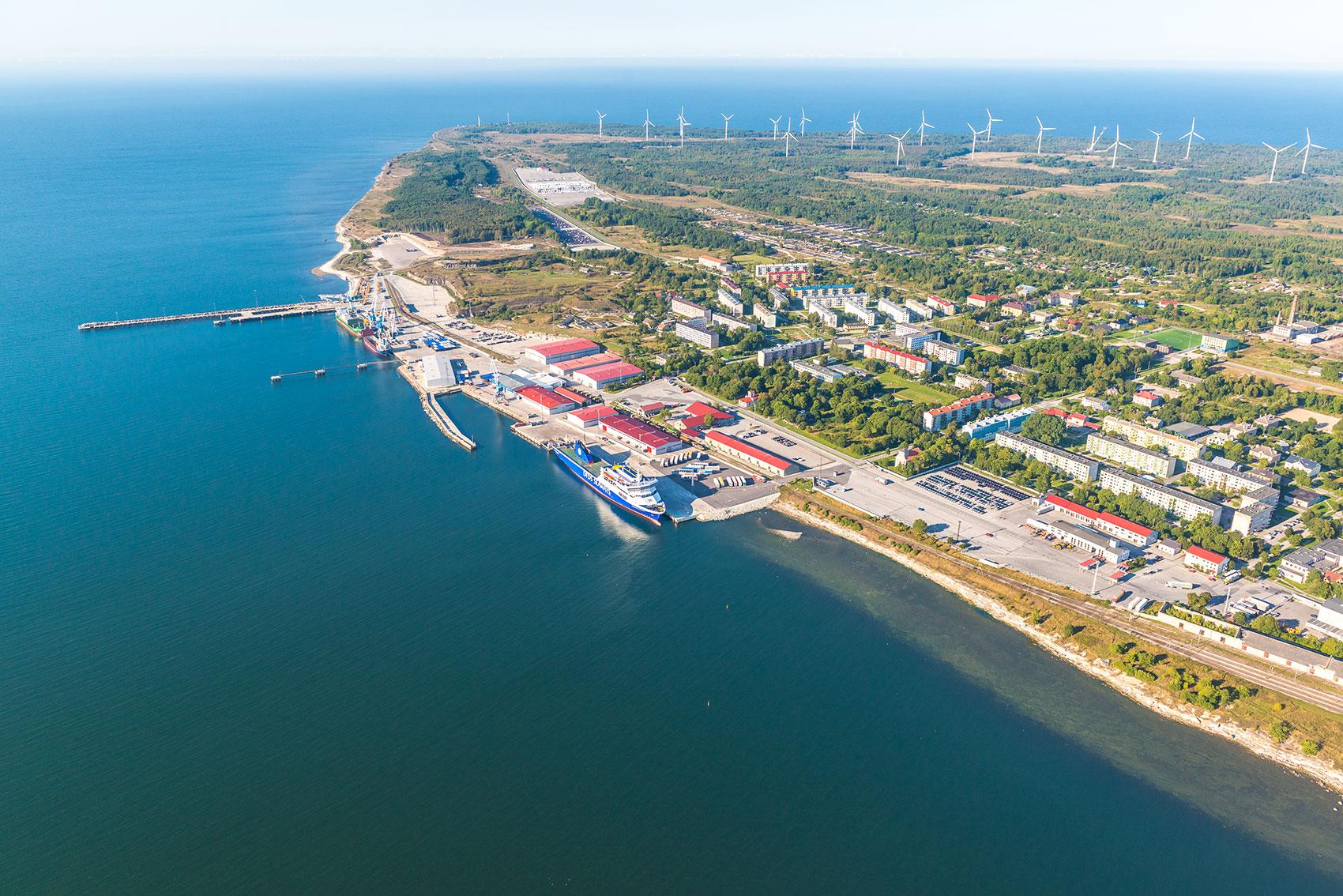
Paldiski
Paldiski is a working port town on the Pakri Peninsula, west of Tallinn. Its most memorable landscape lies beyond the streets: a high limestone coast, the red Pakri lighthouse and open Baltic views. The town also has a small but distinctive art stop in the former summer studio of sculptor Amandus Adamson.
Read the field guide
Tallinn
Tallinn faces the Gulf of Finland with a medieval skyline, an active passenger harbour and neighbourhoods that extend the visit well beyond the old city walls. The UNESCO-listed centre combines the upper town of Toompea with the merchant streets below. Its compact lanes are the natural introduction, but they tell only one part of Estonia's capital.
Read the field guidePhoto credits2
- Depicts: PaldiskiPaldiski Põhjasadam. Author: Paldiskinp. Credit: Own work. License: CC BY-SA 4.0 (https://creativecommons.org/licenses/by-sa/4.0). Source: https://commons.wikimedia.org/wiki/File:Paldiski_P%C3%B5hjasadam.jpgCropped to fit the display.
- Depicts: TallinnRaekoja plats at night. Author: Jorge Franganillo. Credit: https://www.flickr.com/photos/franganillo/48239051246/. License: CC BY 2.0 (https://creativecommons.org/licenses/by/2.0). Source: https://commons.wikimedia.org/wiki/File:Raekoja_plats_at_night.jpgCropped to fit the display.
