
France.
France is easier to enjoy as a collection of regional journeys than as one checklist. Paris can anchor a cultural break, but a Channel port, an Atlantic town or a Mediterranean arrival leads to a different holiday. Combine a city with a nearby coast, countryside or wine region and leave time for markets, smaller museums and everyday neighbourhood life.
Photo credits1
One country, different starting points.
A little closer to France
Geography, regions and practical details from the country guide. Go straight to a chapter, or browse every destination below.
Go straight to the destinationsFrance is easier to enjoy as a collection of regional journeys than as one checklist. Paris can anchor a cultural break, but a Channel port, an Atlantic town or a Mediterranean arrival leads to a different holiday. Combine a city with a nearby coast, countryside or wine region and leave time for markets, smaller museums and everyday neighbourhood life.
Ferry travellers can use the landing point as a first destination rather than immediately crossing the country. Corsica needs its own island itinerary, with a chosen arrival harbour and realistic inland journeys. This overview focuses on European France; French overseas destinations have separate geography and practical conditions that must be checked individually.
Landscape and trip style
European France has shores on the North Sea, Channel, Atlantic and Mediterranean, alongside mountain regions including the Alps and Pyrenees. Corsica is a French island in the western Mediterranean, north of Sardinia. France also has overseas territories far beyond Europe. Do not treat those distant destinations as extensions of a mainland route or assume that European entry arrangements apply to them.
Regions to explore
Brittany suits coastal walks, islands and historic towns such as Saint-Malo and Vannes; Normandy makes another northern coastal base. The Loire Valley combines châteaux and gardens. Bordeaux, Burgundy, Champagne and Alsace offer distinct wine-country journeys. Paris, Lyon, Marseille and Strasbourg provide different city breaks, while the Mediterranean coast and Corsica combine waterfronts with inland landscapes. Select neighbouring regions to avoid losing most of a short stay to travel.
Language
French is the official language and the main language for signs and everyday services. Learn a simple greeting and keep accommodation and terminal addresses in their French spelling. Regional identities remain visible: Corsican, for example, is still spoken and appears on road signs and in polyphonic singing. Ask politely about language assistance instead of assuming every service is available in English.
Money
European France, including Corsica, uses the euro. Check accepted payment methods when booking a small property or paying for a local service, and retain a backup card or modest cash reserve. Not every French overseas destination uses euros: French Polynesia, New Caledonia and Wallis and Futuna use the CFP franc. Budget overseas segments according to their own currency and banking conditions.
Culture and food
Food gives a practical introduction to regional identity. Brittany’s buckwheat crêpes or galettes come in local variations, while Normandy is associated with cheeses such as Camembert. Wine landscapes are equally regional, from Alsace to Bordeaux. Leave room for a bakery, market or neighbourhood meal between major visits. Check ingredients and opening days directly rather than assuming a familiar dish or daily restaurant schedule everywhere.
When to go
Western France has an oceanic climate with frequent rain and moderate temperature differences. Eastern areas have stronger seasonal contrasts, and the Mediterranean south generally has hot summers; mountain conditions depend on altitude. Spring and autumn can suit cultural touring, while summer coastal stays need heat-aware planning. Heavy Mediterranean rain can occur, particularly in autumn, so check local warnings before a coastal drive or outdoor excursion.
Getting there
International rail, air and ferry routes offer different gateways. Eurostar carries passengers between London and cities including Paris and Lille; LeShuttle carries vehicles between Folkestone and the Calais area and is not an ordinary foot-passenger service. For Corsica, compare the actual departure and arrival ports: mainland options include Marseille, Toulon and Nice, but companies do not all serve the same ports. Plan terminal access separately from the nearest city station.
Getting around
TGV, Intercités and TER serve different rail journeys, while local metro, tram and bus networks have their own tickets. Read reservation and ticket conditions for the specific service and check the station name carefully. In Corsica, rail and road connections follow the island’s terrain; a short distance on the map can still require a substantial transfer. Check the last local service before choosing accommodation outside a town.
Planning your stay
Use France-Visas to check requirements for your nationality and destination. A Schengen visa does not automatically cover French overseas territories; exemptions depend on the traveller’s circumstances. Drivers should check local low-emission rules before entering a city, including any Crit’Air requirement for foreign-registered vehicles. For coastal and mountain activities, follow local closures and weather advice. Reserve timed-entry attractions only after the transport and overnight base fit together.
Good to know before you go
Is Corsica part of France?
Yes. It is a French island in the Mediterranean and uses the euro. Its ferry ports and inland transport still need a separate island plan.
Does every French overseas destination use the euro?
No. French Polynesia, New Caledonia and Wallis and Futuna use the CFP franc. Check the destination’s own practical information.
Can a Schengen visa automatically be used in overseas France?
No. Overseas territories have separate entry rules. Use France-Visas to check the exact destination and any exemption that applies to you.
Can I take a car on Eurostar?
Eurostar is the passenger train. LeShuttle is the separate vehicle service between Folkestone and the Calais area; ordinary foot passengers use other options.
Are Marseille, Toulon and Nice interchangeable ferry terminals?
No. They are different cities and operators have different routes. Follow the departure port and terminal in the booking instructions.
Sources & references
These references support the guide. Confirm opening hours, access and travel services before you go.
- 01Atout France — European coasts and mountain geography
- 02European Union — French language and territory
- 03Atout France — city destinations
- 04Atout France — Brittany coastline and historic towns
- 05Atout France — Loire châteaux and gardens
- 06Atout France — regional wine destinations
- 07Atout France — Corsica geography, language and internal transport
- 08Atout France — euro and overseas CFP currency exceptions
- 09Brittany Tourism — regional crêpe and galette variations
- 10Normandy Tourism — Camembert production
- 11Campus France — regional climate
- 12Corsica Tourism Agency — arrival ports
- 13Eurostar — passenger railway versus vehicle shuttle
- 14LeShuttle — vehicle and foot-passenger distinction
- 15Atout France — train categories and local networks
- 16France-Visas — overseas and European entry differences
- 17Rouen Métropole — foreign-vehicle Crit’Air requirement
- 18French Ministry for Ecological Transition — Mediterranean heavy rain
Find your place in France
Open the guides, get a feel for the differences between places, and find the ones that fit your plans.

Bastia
Bastia is a lived-in Corsican port city with colourful quays, a hilltop citadel and a strong maritime identity. Its Old Port is the natural place to slow down after a crossing, with cafés and fishing boats below the old buildings.
Read the field guide
Ajaccio
Ajaccio combines a lively Corsican city with a broad gulf, Napoleonic history and easy seaside evenings. It offers enough museums, markets and coastal walks to reward several days rather than only a night between ferries.
Read the field guide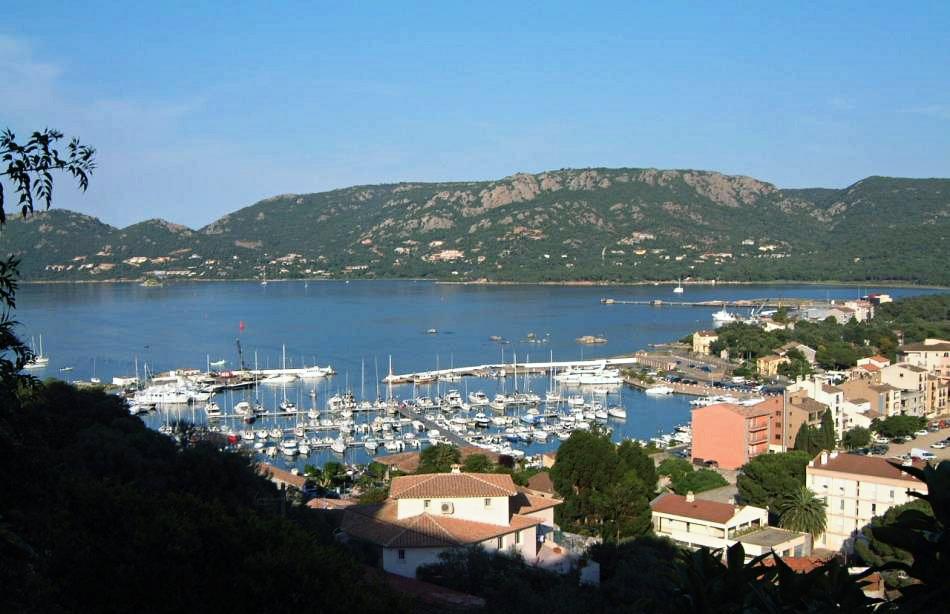
Porto-Vecchio
Porto-Vecchio combines a hilltop old town, a marina and access to some of southern Corsica’s best-known beaches. It is a useful base for a holiday that alternates town evenings with coastal and mountain outings.
Read the field guide
L’Île-Rousse
Île-Rousse is a compact Balagne coastal town where a market morning, a sandy beach and a walk towards the Pietra lighthouse can fit naturally into one stay. Its red-toned rocky headland gives it a different character from Corsica’s larger port cities.
Read the field guide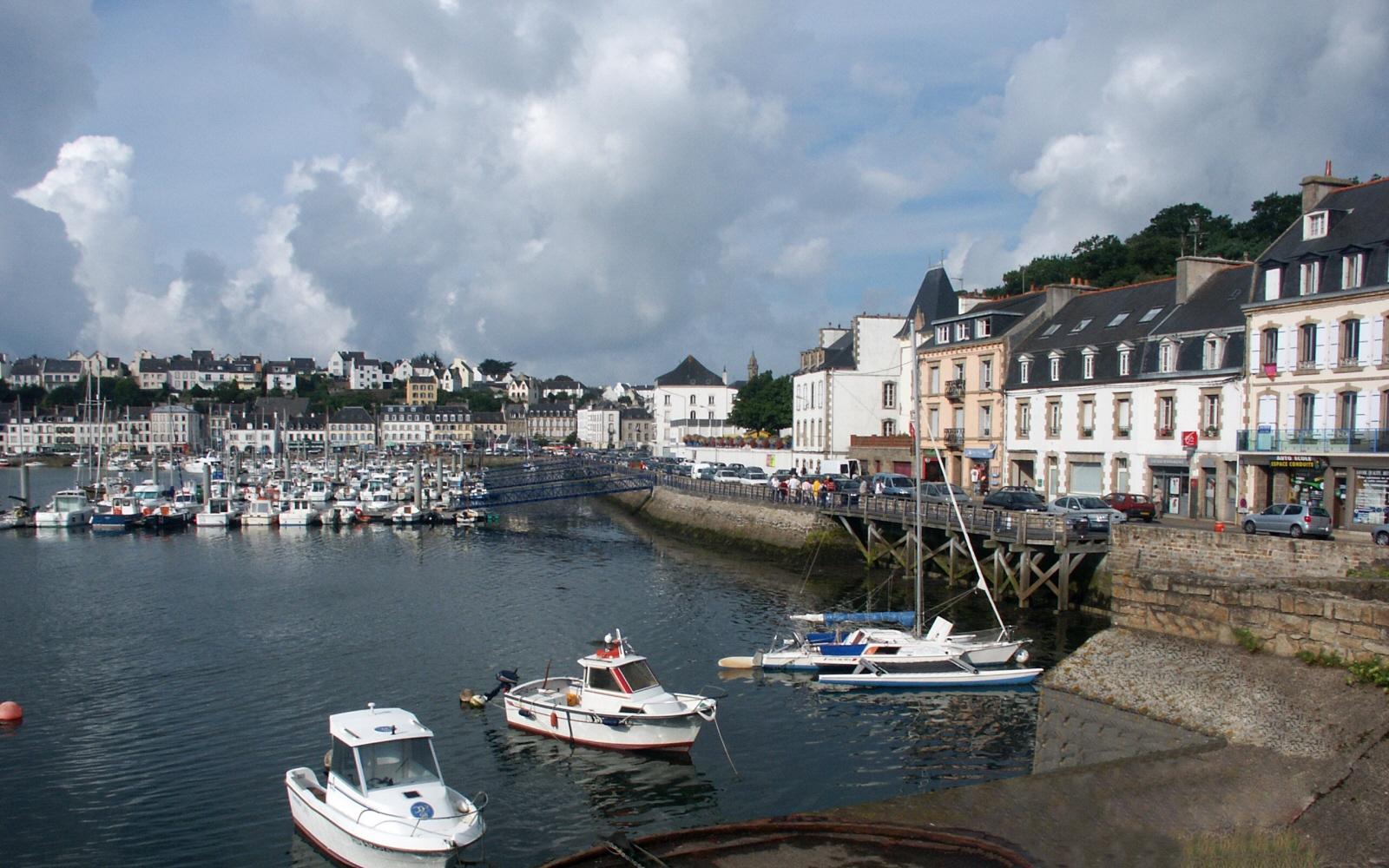
Audierne
Audierne is a small maritime town at the Goyen estuary, with white-fronted streets, fishing and leisure boats and a shore walk towards Trescadec. It works well for a gentle harbour day before exploring Cap Sizun or making a separately booked crossing to the Île de Sein.
Read the field guide Area near Belle-Île-en-Mer / Le Palais
Belle-Île-en-Mer / Le Palais
Le Palais is Belle-Île-en-Mer's busy harbour town, where passenger boats, fishing craft and island supplies meet beneath the citadel. Stay for the quays and streets as well as the onward island journey. A town walk, a local-food stop and nearby Ramonette beach make a satisfying introduction without trying to circle the whole island immediately.
Read the field guide
Belle-Île-en-Mer / Sauzon
Sauzon offers Belle-Île's smaller northern harbour setting, with colourful houses, boats and quayside places to pause. Choose it for a slower village day and the coast towards Pointe des Poulains, rather than expecting the same ferry activity as Le Palais. The quieter scale is part of its appeal.
Read the field guide
Bonifacio
Bonifacio rises above a narrow harbour on southern Corsica's pale limestone cliffs. Start among the boats in the Marine, climb to the fortified Haute-Ville and leave time for its lanes, churches and changing views across the strait. The striking setting rewards a slow town visit as much as a boat outing.
Read the field guide
Brest
Brest is an Atlantic maritime city divided by the Penfeld, with a castle, active ports, rebuilt central streets and new uses for its naval-industrial heritage. Combine the Château's museum with a crossing towards the Ateliers des Capucins, then leave another part of the day for the waterfront or marine science at Océanopolis.
Read the field guide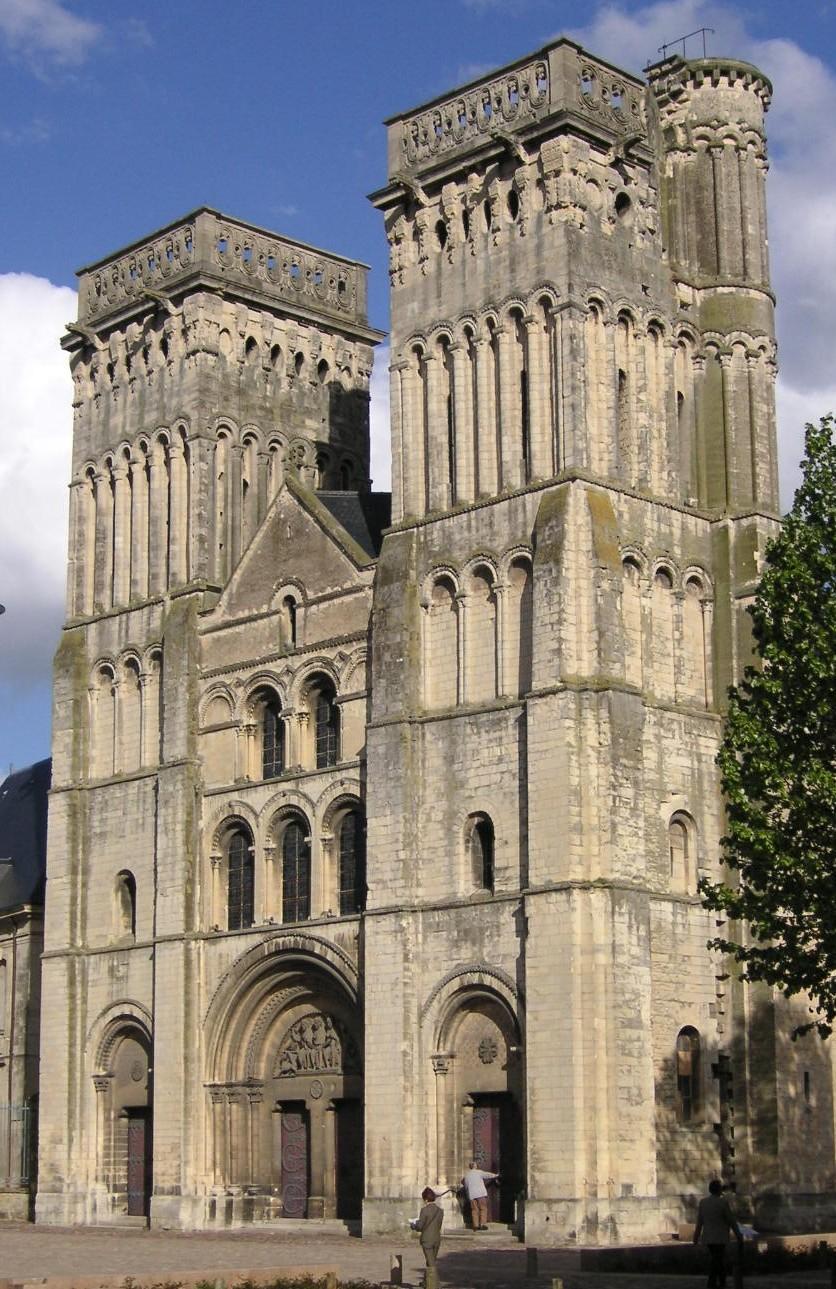
Caen
Caen works well for a city break built around its castle, two abbeys and the history of the Second World War. The castle museums and streets below make a useful first day; give the Mémorial a separate part of the trip so its twentieth-century history is not squeezed between other visits.
Read the field guide
Calais
Calais rewards a stop for the lace museum, Rodin and the large mechanical creatures on its seafront. A day can connect the town-hall area with the historic northern quarter and beach; add another day if you want time for the coast around Cap Blanc-Nez. The working port is one part of this wider visit.
Read the field guide
Camaret-sur-Mer
Camaret-sur-Mer sits at the western end of the Crozon peninsula, where colourful harbourfront houses face boats and a long protective sillon. The golden Vauban tower, seafarers' chapel and old boat hulls give a short waterfront walk real depth before you head farther into the peninsula's heath and cliff landscape.
Read the field guide Area overview: Barneville-Carteret
Carteret
Carteret is a useful base for the western Cotentin's cape, dunes and sandy shores. The harbour and La Potinière suit a shorter visit, while the marked cape circuit gives a more demanding coastal day. Leave time for the changing view across the havre and for a meal rather than trying to combine every shore with an island crossing.
Read the field guide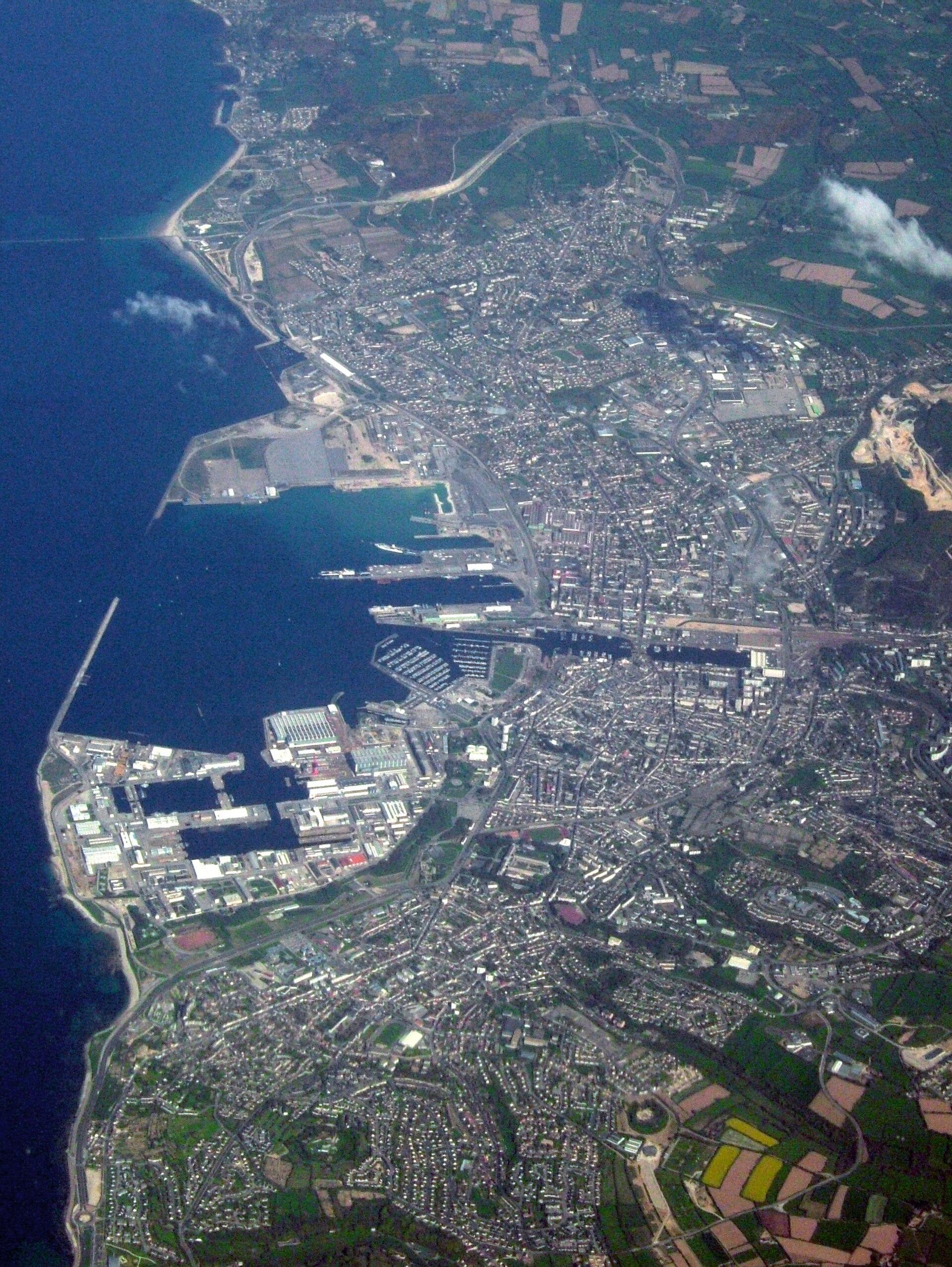
Cherbourg-en-Cotentin
Cherbourg-en-Cotentin suits a harbour city stay with maritime history, art and a large sea museum. The old centre and working waterfront reward time on foot, while La Cité de la Mer needs a substantial visit of its own. A two-night stay leaves room for both without treating the city as a pause between ferries.
Read the field guide
Diélette
Diélette is a small western Cotentin harbour for a quieter coastal stop, sailing activity or a planned island departure. Its marina, fishing history and nearby stretches of sand provide enough for an unhurried day. A longer stay can add the Flamanville headland or a watersports session arranged with the local nautical centre.
Read the field guide
Dieppe
Dieppe makes a useful Normandy stop for its fishing harbour, seafront and castle museum above the western end of town. A short stay can combine a central market morning with the collections and a walk by the sea. The harbour remains part of daily working life, so allow space for fishing operations as you explore.
Read the field guide
Dunkirk
Dunkirk combines working-port history with the beach and seaside villas of Malo-les-Bains. Give the central harbour and a museum one part of the day, then use the urban buses or a planned walk to reach the seafront. Contemporary art at the LAAC and FRAC adds another reason to stay beyond a ferry connection.
Read the field guide
Granville
Granville combines a walled upper town, a working harbour and a seaside promenade in a compact but hilly setting. Start with the Haute Ville for the walls and sea views, then leave time at harbour level. Christian Dior's former home and garden add a separate visit beyond the historic peninsula.
Read the field guide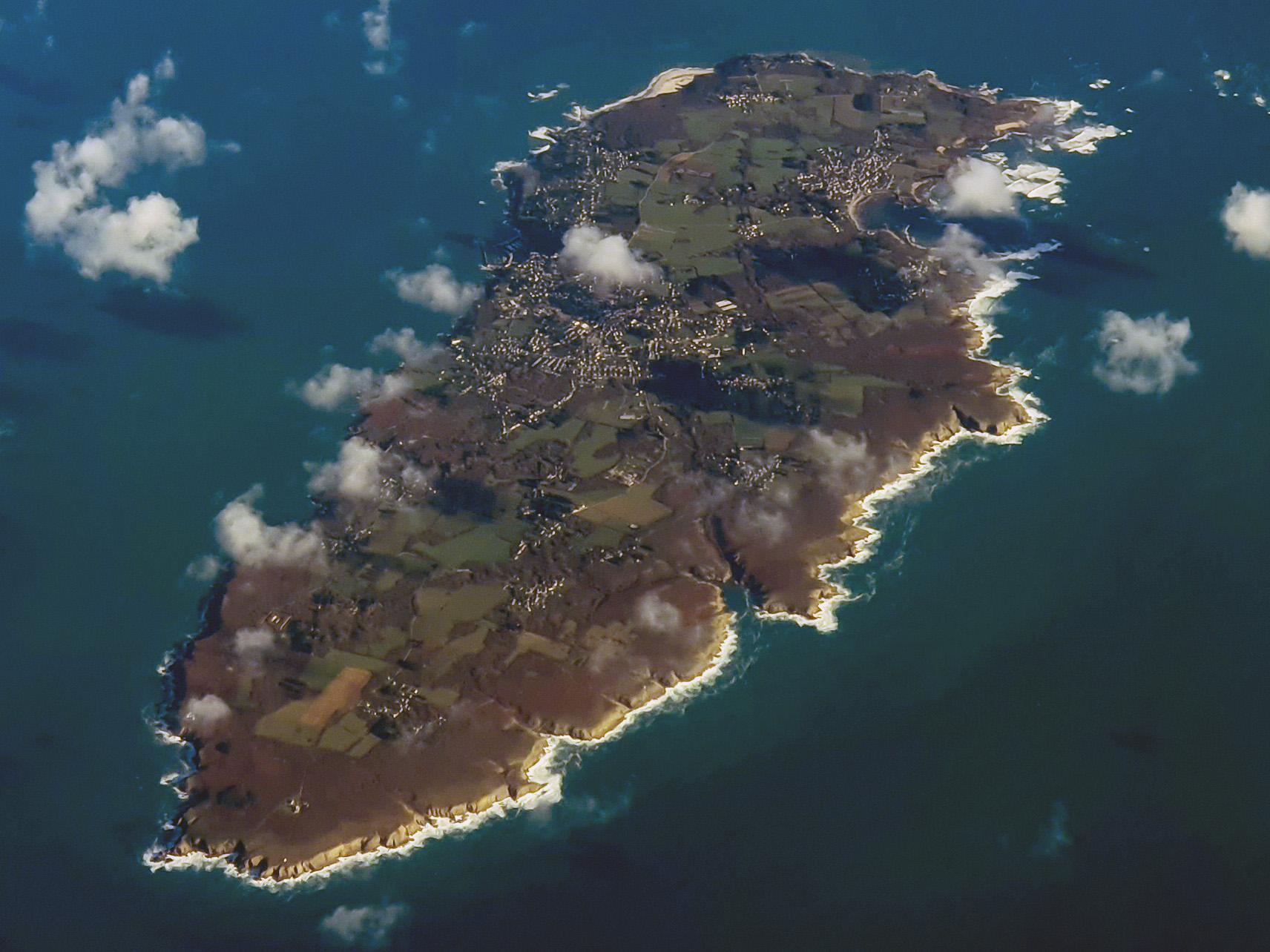
Groix
Groix offers a full island day beyond its Port-Tudy arrival: village streets, small harbours, sandy shores and a wilder coast with striking geology. Choose the part that suits your pace rather than trying to make every headland on a single boat visit. Staying overnight gives the quieter village time that a hurried circuit misses.
Read the field guide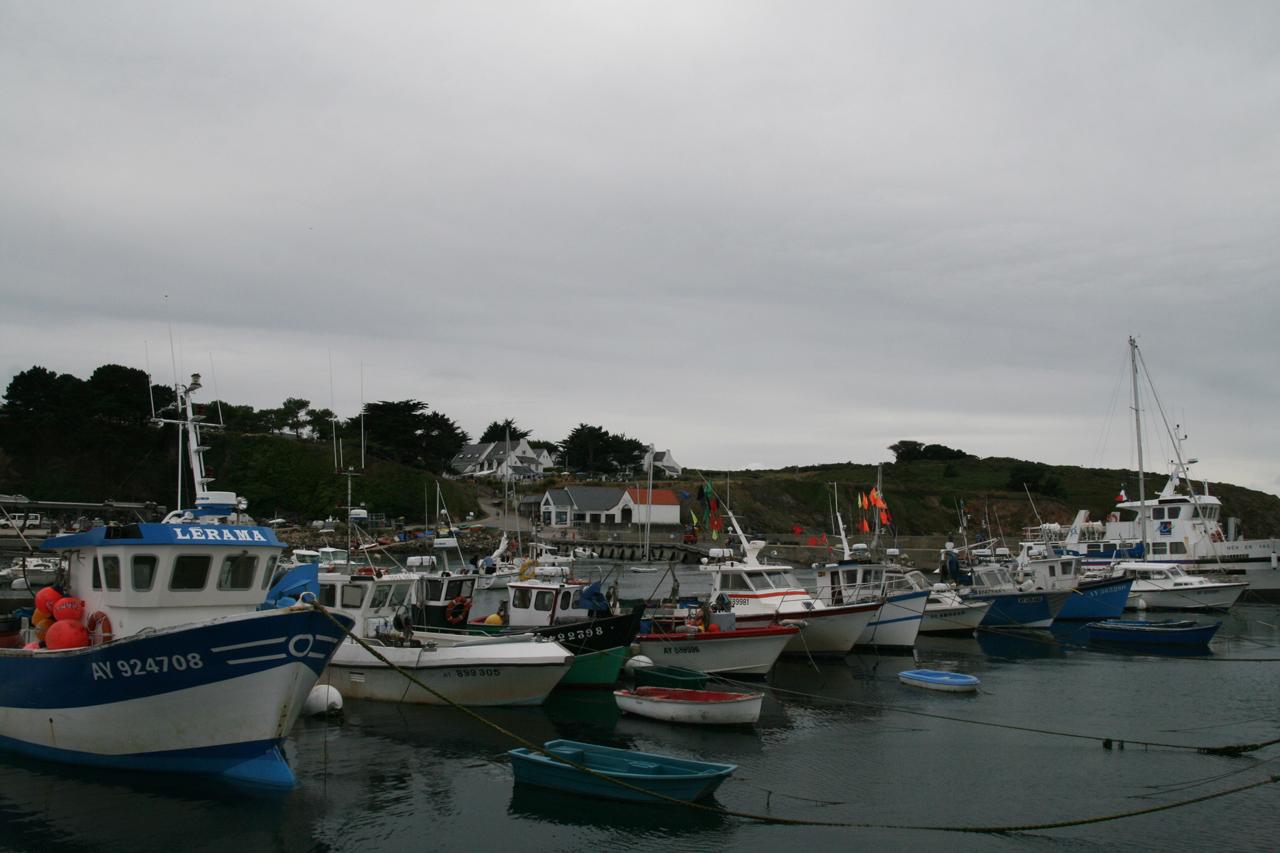
Houat
Houat is a small island off Quiberon, reached through Port Saint-Gildas and explored at walking pace. The village, fishing harbour and broad sandy coast make a rewarding day without a crowded itinerary. An overnight stay gives more time to enjoy the quieter shore, provided accommodation and food are arranged before the boat.
Read the field guide
Île de Sein
Île de Sein offers a close encounter with the Iroise sea: a compact island of harbour lanes, maritime memory and a landscape leading towards Goulenez lighthouse. Choose it for walking, watching the water and learning how the community lives with the ocean, rather than for a driving circuit or a long list of resort facilities.
Read the field guide
Le Conquet
Le Conquet combines an active fishing harbour, historic small-town streets and a varied Iroise coast. Stay for the estuary, dunes and shore walks as well as the boats to Molène and Ouessant. The town offers a worthwhile mainland day rather than only a place to leave the car before an island visit.
Read the field guide
Le Havre
Le Havre is a city break for postwar architecture, painting and an urban beach. Walk the reconstructed centre with time to notice its repeated proportions, then enter Saint-Joseph to see how concrete and coloured glass work together. The MuMa and the higher Jardins suspendus give two different ways to extend the visit.
Read the field guide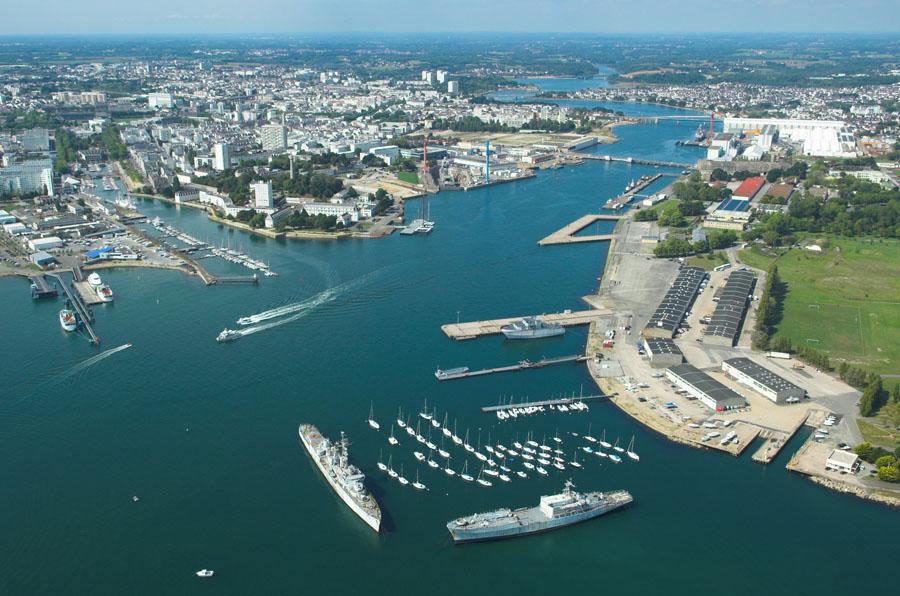
Lorient
Lorient makes its maritime history visible in working ports, markets and the former submarine base now used for sailing culture. Spend time at La Base for the Cité de la Voile Éric Tabarly and the Flore submarine, then give the city centre and its food scene a separate part of the day.
Read the field guide
Marseille
Marseille brings together a working Mediterranean port, steep historic streets and a coastline that quickly becomes wild. Begin around the Vieux-Port, explore the Panier and leave time for the Mucem waterfront. A second day gives Notre-Dame de la Garde or a properly prepared coastal outing room to breathe.
Read the field guide
Molène
Molène is a small inhabited island in an archipelago of reefs, islets and shifting Iroise light. Come for the harbour village, sea-rescue memory and a walk at the pace of the tide. An overnight stay changes the visit from a quick stop into time with a working island community.
Read the field guide
Nice
Nice is a city for a seaside walk, an old-town food stop and a change of perspective from the hills. Follow the Promenade des Anglais and Vieux-Nice, then choose the Château viewpoint or a separate Cimiez museum visit. Staying a little longer makes space for neighbourhood evenings as well as the famous waterfront.
Read the field guide
Ouessant
Ouessant, or Ushant, is an island of lighthouse landscapes, low stone walls and a powerful Atlantic horizon. Give it time beyond the arrival quay: the village of Lampaul and the open coastal walks make a different experience from simply watching the island from a passing ship.
Read the field guide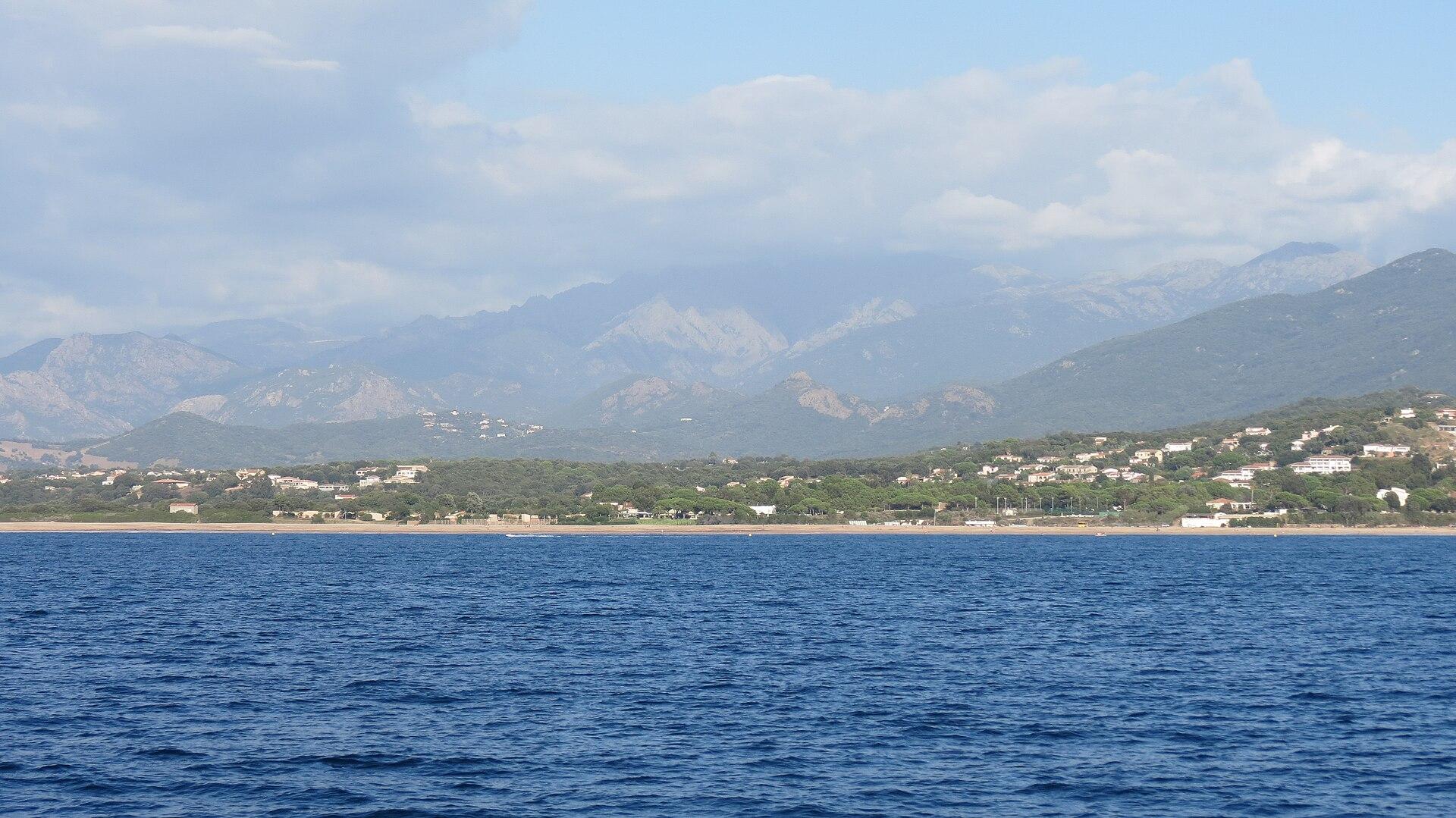
Porticcio
Porticcio faces Ajaccio across the gulf, with La Viva beach beside its visitor hub and boat pontoon. It makes an appealing base for alternating a shore day with the capital's streets: the public sea shuttle provides a useful link without retracing the gulf by road.
Read the field guide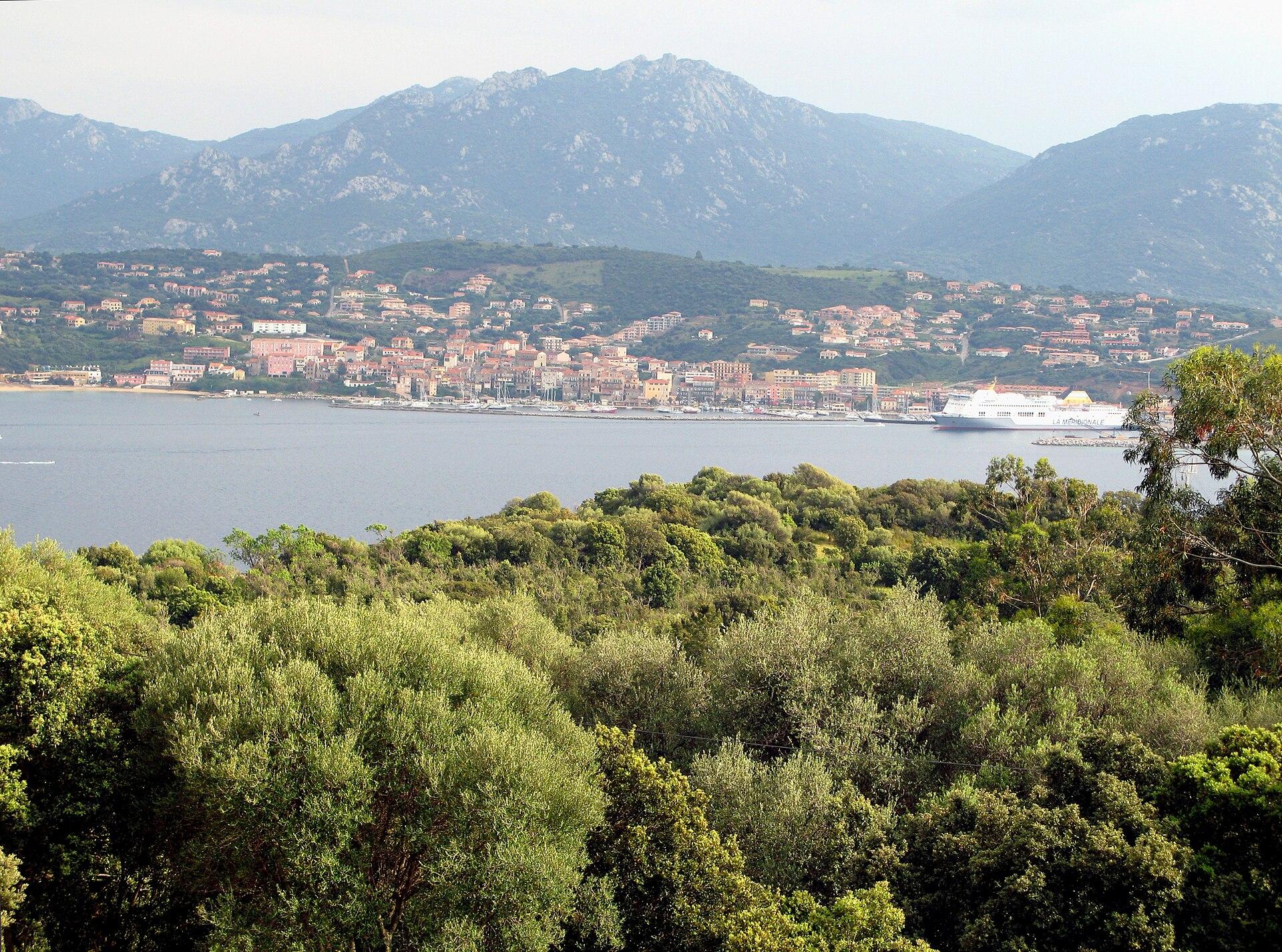
Propriano
Propriano sits on the Gulf of Valinco, with a lively marina, a working commercial port and beaches along a coast backed by maquis and villages. It offers an easy rhythm: a waterfront walk, local produce and time on a chosen stretch of sand, with inland heritage saved for another outing.
Read the field guide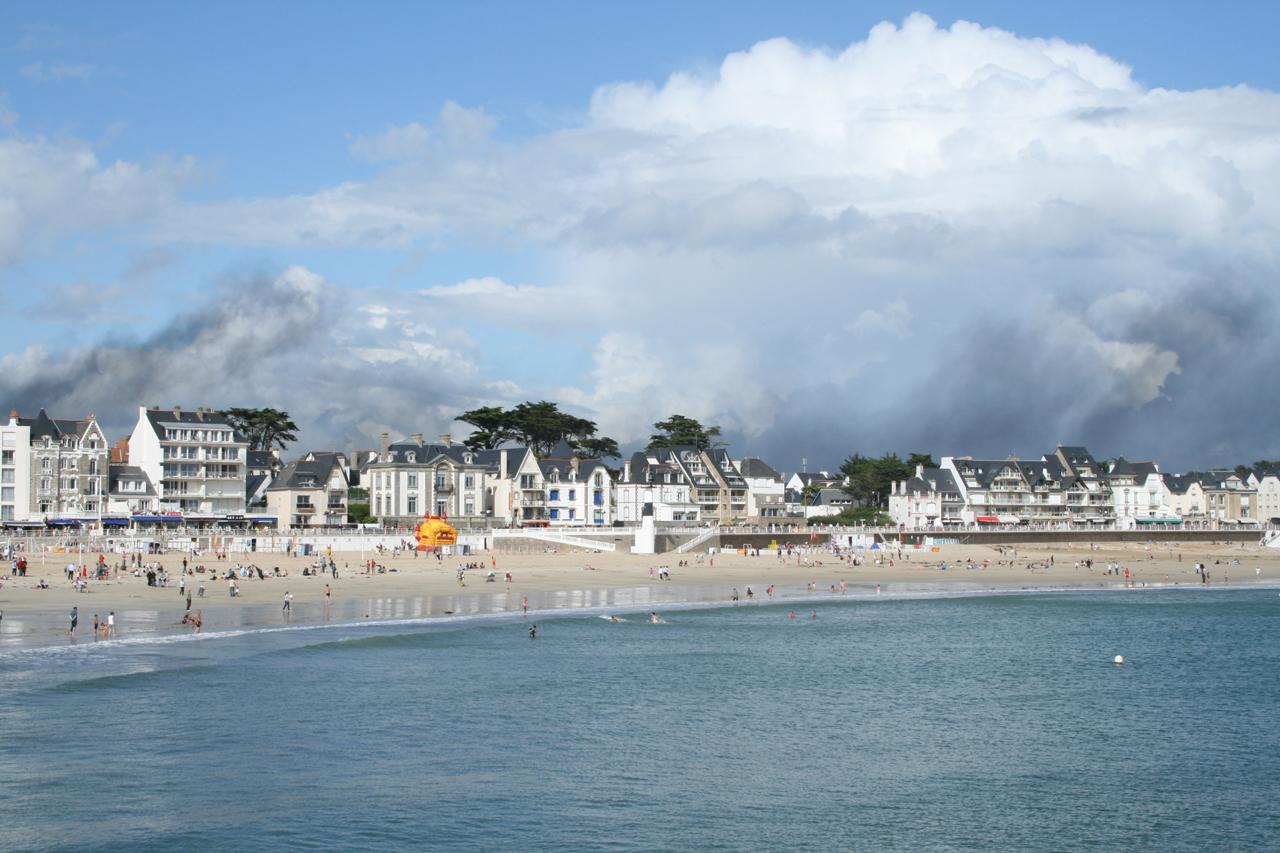
Quiberon
Quiberon sits at the end of a narrow peninsula with contrasting coasts: the open Atlantic's Côte Sauvage and the bay-facing beaches and town waterfront. Choose the town as a seaside base in its own right, with walking, food and harbour life, rather than only as the mainland ferry approach.
Read the field guide
Roscoff
Roscoff's granite houses and old harbour tell a story of maritime trade, while nearby beaches and the view towards Île de Batz offer an easy change of pace. Choose time in the historic town before treating it as the start or end of an international ferry journey.
Read the field guide
Saint-Malo
Saint-Malo combines a walled town, a wide beach horizon and a harbour shaped by strong tides. Begin with the ramparts and the lanes of Intra-Muros, then choose time on the Sillon or a separate exploration towards Saint-Servan. The changing sea is part of how the city works, not just a backdrop.
Read the field guide Area overview: Gulf of Ajaccio
Sanguinaires / Ajaccio
The Sanguinaires islands and Pointe de la Parata form a protected landscape at the entrance to the Gulf of Ajaccio. The mainland promontory gives the classic view across the water, while a separate seasonal boat journey can reach Mezu Mare, the largest island, with its lighthouse landscape.
Read the field guide
Sète
Sète is a working harbour city shaped by canals, the Thau lagoon and the Mediterranean. Begin with the central quays and covered market, then choose the fishing-quarter atmosphere of Pointe Courte, a Mont Saint-Clair viewpoint or a stretch of the Lido. A local meal belongs in the plan as much as a museum.
Read the field guide
Toulon
Toulon combines a lively market centre, a major naval harbour and beaches around Le Mourillon. Spend a morning with the old-town streets and food stalls, then choose a harbour excursion, a coastal pause or the Mont Faron panorama. Each gives a different view of the same sheltered bay.
Read the field guidePhoto credits36
- Depicts: BastiaBastia, A Marina, Vechju Portu. Author: Cosudibastia. Credit: Own work. License: CC BY-SA 4.0 (https://creativecommons.org/licenses/by-sa/4.0). Source: https://commons.wikimedia.org/wiki/File:Bastia,_A_Marina,_Vechju_Portu.jpgCropped to fit the display.
- Depicts: Ajaccio
- Depicts: Porto-VecchioPort-Porto-vecchio. Author: Nerijp. Credit: Own work. License: CC BY-SA 3.0 (https://creativecommons.org/licenses/by-sa/3.0). Source: https://commons.wikimedia.org/wiki/File:Port-Porto-vecchio.jpgCropped to fit the display.
- Depicts: L’Île-Rousse
- Depicts: AudierneAudierne Port. Author: Fafner. Credit: Own work. License: CC BY-SA 3.0 (https://creativecommons.org/licenses/by-sa/3.0). Source: https://commons.wikimedia.org/wiki/File:Audierne_Port.jpgCropped to fit the display.
- Area image: Bateau dans l'écluse du Palais — Area near Belle-Île-en-Mer / Le PalaisPort du Palais - dsmm05414. Author: Pmau. Credit: Own work. License: CC BY-SA 4.0 (https://creativecommons.org/licenses/by-sa/4.0). Source: https://commons.wikimedia.org/wiki/File:Port_du_Palais_-_dsmm05414.jpgCropped to fit the display.
- Depicts: Belle-Île-en-Mer / SauzonMorbihan Belle-île-en-mer Sauzon, pointe des poulains, " le phare " (4876185386). Author: (vincent desjardins) from Paris, France. Credit: Morbihan : Belle-île-en-mer : Sauzon, pointe des poulains, " le phare ". License: CC BY 2.0 (https://creativecommons.org/licenses/by/2.0). Source: https://commons.wikimedia.org/wiki/File:Morbihan_Belle-%C3%AEle-en-mer_Sauzon,_pointe_des_poulains,_%22_le_phare_%22_(4876185386).jpgCropped to fit the display.
- Depicts: Bonifacio
- Depicts: BrestBrest - Le Château - PA00089847 - 011. Author: Thesupermat. Credit: Own work. License: CC BY-SA 3.0 (https://creativecommons.org/licenses/by-sa/3.0). Source: https://commons.wikimedia.org/wiki/File:Brest_-_Le_Ch%C3%A2teau_-_PA00089847_-_011.JPGCropped to fit the display.
- Depicts: CaenFrance Caen Trinite c. Author: TTaylor. Credit: Own work. License: CC BY-SA 3.0 (https://creativecommons.org/licenses/by-sa/3.0/). Source: https://commons.wikimedia.org/wiki/File:France_Caen_Trinite_c.JPGCropped to fit the display.
- Depicts: CalaisJielbeaumadier Calais 2008 35. Author: Jiel Beaumadier. Credit: Own work. License: CC BY-SA 4.0 (https://creativecommons.org/licenses/by-sa/4.0). Source: https://commons.wikimedia.org/wiki/File:Jielbeaumadier_Calais_2008_35.jpegCropped to fit the display.
- Depicts: Camaret-sur-Mer
- Area image: Barneville-Carteret — Area overview: Barneville-CarteretGrande Plage de Barneville 02. Author: JackyM59. Credit: Own work. License: CC BY-SA 4.0 (https://creativecommons.org/licenses/by-sa/4.0). Source: https://commons.wikimedia.org/wiki/File:Grande_Plage_de_Barneville_02.jpgCropped to fit the display.
- Depicts: Cherbourg-en-CotentinCherbourg. Author: fr:Utilisateur:Steff. Credit: Peronnal picture, taken during a London Stansted-Dinard flight. License: CC BY-SA 3.0 (https://creativecommons.org/licenses/by-sa/3.0/). Source: https://commons.wikimedia.org/wiki/File:Cherbourg.jpgCropped to fit the display.
- Depicts: DiéletteFlamanvilleSémaphore. Author: Ji-Elle. Credit: Own work. License: Public domain (https://creativecommons.org/publicdomain/mark/1.0/). Source: https://commons.wikimedia.org/wiki/File:FlamanvilleS%C3%A9maphore.jpg
- Depicts: Dieppe2022-07-09 12-19-07 - Dieppe - Vue générale. Author: Baidax. Credit: Own work. License: CC BY-SA 4.0 (https://creativecommons.org/licenses/by-sa/4.0). Source: https://commons.wikimedia.org/wiki/File:2022-07-09_12-19-07_-_Dieppe_-_Vue_g%C3%A9n%C3%A9rale.jpgCropped to fit the display.
- Depicts: DunkirkDunkerque hotel de ville vu port. Author: Velvet. Credit: Own work. License: CC BY-SA 3.0 (https://creativecommons.org/licenses/by-sa/3.0). Source: https://commons.wikimedia.org/wiki/File:Dunkerque_hotel_de_ville_vu_port.jpgCropped to fit the display.
- Depicts: Granville
- Depicts: GroixAerial view of Groix. Author: Taras Young. Credit: Own work. License: CC BY-SA 4.0 (https://creativecommons.org/licenses/by-sa/4.0). Source: https://commons.wikimedia.org/wiki/File:Aerial_view_of_Groix.jpgCropped to fit the display.
- Depicts: HouatHouat - Port (7). Author: Remi Jouan. Credit: Photo taken by Remi Jouan. License: CC BY 3.0 (https://creativecommons.org/licenses/by/3.0). Source: https://commons.wikimedia.org/wiki/File:Houat_-_Port_(7).JPGCropped to fit the display.
- Depicts: Île de SeinAerial image of Île-de-Sein (view from the southeast). Author: Carsten Steger. Credit: Own work. License: CC BY-SA 4.0 (https://creativecommons.org/licenses/by-sa/4.0). Source: https://commons.wikimedia.org/wiki/File:Aerial_image_of_%C3%8Ele-de-Sein_(view_from_the_southeast).jpgCropped to fit the display.
- Depicts: Le ConquetLe Conquet (Kermorvan Lighthouse). Author: Alexandre Dulaunoy from Les Bulles, Chiny, Belgium. Credit: Le Conquet (Kermorvan Lighthouse). License: CC BY-SA 2.0 (https://creativecommons.org/licenses/by-sa/2.0). Source: https://commons.wikimedia.org/wiki/File:Le_Conquet_(Kermorvan_Lighthouse).jpgCropped to fit the display.
- Depicts: Le Havre
- Depicts: LorientLorient. Author: The original uploader was Jackmame at French Wikipedia .. Credit: Transferred from fr.wikipedia to Commons.. License: CC BY-SA 2.5 (https://creativecommons.org/licenses/by-sa/2.5). Source: https://commons.wikimedia.org/wiki/File:Lorient.jpgCropped to fit the display.
- Depicts: MarseilleNotre-Dame de la Garde aerial view 2020. Author: Earth777. Credit: Own work. License: CC BY-SA 4.0 (https://creativecommons.org/licenses/by-sa/4.0). Source: https://commons.wikimedia.org/wiki/File:Notre-Dame_de_la_Garde_aerial_view_2020.jpegCropped to fit the display.
- Depicts: MolèneAerial image of Île de Molène (view from the southeast). Author: Carsten Steger. Credit: Own work. License: CC BY-SA 4.0 (https://creativecommons.org/licenses/by-sa/4.0). Source: https://commons.wikimedia.org/wiki/File:Aerial_image_of_%C3%8Ele_de_Mol%C3%A8ne_(view_from_the_southeast).jpgCropped to fit the display.
- Depicts: NicePromenade des Anglais Nice IMG 1255. Author: Alexander Migl. Credit: Own work. License: CC BY-SA 4.0 (https://creativecommons.org/licenses/by-sa/4.0). Source: https://commons.wikimedia.org/wiki/File:Promenade_des_Anglais_Nice_IMG_1255.jpgCropped to fit the display.
- Depicts: OuessantAerial image of Ouessant (view from the east). Author: Carsten Steger. Credit: Own work. License: CC BY-SA 4.0 (https://creativecommons.org/licenses/by-sa/4.0). Source: https://commons.wikimedia.org/wiki/File:Aerial_image_of_Ouessant_(view_from_the_east).jpgCropped to fit the display.
- Depicts: PorticcioPorticcio. Author: Gwentux. Credit: Own work. License: CC BY-SA 3.0 (https://creativecommons.org/licenses/by-sa/3.0). Source: https://commons.wikimedia.org/wiki/File:Porticcio.JPGCropped to fit the display.
- Depicts: ProprianoPropriano 1. Author: Markus3 (Marc ROUSSEL). Credit: Self-photographed. License: CC BY-SA 2.5 (https://creativecommons.org/licenses/by-sa/2.5). Source: https://commons.wikimedia.org/wiki/File:Propriano_1.jpgCropped to fit the display.
- Depicts: QuiberonQuiberon - Plage (1). Author: Remi Jouan. Credit: Own work. License: CC BY-SA 3.0 (https://creativecommons.org/licenses/by-sa/3.0/). Source: https://commons.wikimedia.org/wiki/File:Quiberon_-_Plage_(1).jpgCropped to fit the display.
- Depicts: RoscoffRoscoff vue Chapelle St-Barbe. Author: Rolf Krahl ( Rotkraut ). Credit: Own work. License: CC BY 4.0 (https://creativecommons.org/licenses/by/4.0). Source: https://commons.wikimedia.org/wiki/File:Roscoff_vue_Chapelle_St-Barbe.jpgCropped to fit the display.
- Depicts: Saint-Malo
- Area image: Gulf of Ajaccio — Area overview: Gulf of AjaccioPort Tino Rossi - Ajaccio (15148706455). Author: JeanbaptisteM from France. Credit: Port Tino Rossi - Ajaccio. License: CC BY 2.0 (https://creativecommons.org/licenses/by/2.0). Source: https://commons.wikimedia.org/wiki/File:Port_Tino_Rossi_-_Ajaccio_(15148706455).jpgCropped to fit the display.
- Depicts: SèteLa Grace (ship, 2010), Sète, Hérault 01. Author: Christian Ferrer. Credit: Own work. License: CC BY-SA 3.0 (https://creativecommons.org/licenses/by-sa/3.0). Source: https://commons.wikimedia.org/wiki/File:La_Grace_(ship,_2010),_S%C3%A8te,_H%C3%A9rault_01.jpgCropped to fit the display.
- Depicts: Toulon
