
Spain.
Spain rewards a regional plan: a northern harbour, a Mediterranean city and an Atlantic island offer very different trips. Choose the landscape and pace first, then connect a manageable number of places. A city with museums and neighbourhood markets can pair well with a nearby coast or inland town without turning every day into a transfer.
Photo credits1
One country, different starting points.
A little closer to Spain
Geography, regions and practical details from the country guide. Go straight to a chapter, or browse every destination below.
Go straight to the destinationsSpain rewards a regional plan: a northern harbour, a Mediterranean city and an Atlantic island offer very different trips. Choose the landscape and pace first, then connect a manageable number of places. A city with museums and neighbourhood markets can pair well with a nearby coast or inland town without turning every day into a transfer.
For a ferry holiday, start with the actual island and port rather than a broad label such as “Spain”. The Balearic and Canary archipelagos are far apart, and Ceuta and Melilla are separate Spanish cities on the North African coast. This country overview helps organise those choices; each destination still needs its own arrival and accommodation plan.
Landscape and trip style
Most Spanish territory lies on the Iberian Peninsula, with Atlantic, Cantabrian and Mediterranean coastlines and a substantial mountainous interior. The Balearic Islands lie in the Mediterranean; the Canary Islands are in the Atlantic off northwest Africa. Spain has seventeen autonomous communities and the autonomous cities of Ceuta and Melilla. Mainland, island and North African segments should be treated as distinct legs of a journey.
Regions to explore
Madrid offers a central city base; Barcelona and Valencia open different Mediterranean itineraries. Andalusia combines cities such as Seville, Córdoba and Málaga with coastal stays. Galicia, Asturias, Cantabria and the Basque Country suit a northern route, while inland cities such as Salamanca and Cáceres reward a separate cultural trip. Within the islands, choose a specific base rather than trying to cover every island in a short stay.
Language
Castilian Spanish is the official language throughout the state. Other languages have official status in their respective autonomous communities; these include Catalan, Galician, Basque and Valencian, with local arrangements rather than one nationwide list of interchangeable languages. In Valencia, Spanish and Valencian appear in daily life. Keep a destination’s local spelling handy for signs, tickets and accommodation addresses, and ask about English assistance where needed.
Money
Spain uses the euro. Cards and mobile payments are widely accepted, but a small cash reserve is useful when a particular business or service cannot accept your card. Review ATM and currency-conversion fees before confirming a transaction. Ceuta and Melilla have separate customs and indirect-tax arrangements: their Spanish status does not mean that shopping and goods movements follow every mainland rule.
Culture and food
Regional cooking is more useful than a single national menu. Valencia is associated with paella, Galicia with seafood and octopus, Asturias with fabada, and southern regions with chilled soups and fried fish. Tapas are small portions often enjoyed while moving between bars with friends; they are not automatically free everywhere. Browse the local menu, ask about ingredients and leave time for a meal instead of treating it as a gap between attractions.
When to go
Spring and autumn often suit city walks and mixed itineraries. Summer heat can be strong inland and in the south, while the northern coast is generally cooler and can remain rainy. Winter requires warmer clothing on the mainland, especially inland and in mountain areas. The Canaries have a different winter climate, but island, altitude and exposure still matter. Check the forecast for the actual destination rather than applying one Spanish temperature to the whole trip.
Getting there
Airports, international rail and ferry ports offer different gateways. Ferry networks link parts of the mainland with islands, connect some islands within their own archipelago, and serve Ceuta and Melilla. A published network map is not a promise of a direct sailing on your date. Confirm both harbour names, whether the sailing carries vehicles, and the carrier’s check-in instructions before booking an onward connection.
Getting around
High-speed rail connects many mainland cities, with Madrid an important hub; regional trains and intercity coaches fill different needs. City transport has local tickets and passes rather than a single nationwide visitor ticket. Compare the station location as well as the train journey. For an island stay, check bus coverage and the accommodation’s access before deciding whether a car helps; taking a vehicle on a ferry does not automatically authorise driving everywhere ashore.
Planning your stay
Check official entry requirements for your nationality and travel document before a journey involving an external border. Formentera regulates vehicle circulation during a designated season: the 2026 period ended on 30 September, and the official portal says the next season’s rules will be published when approved. Check those rules again before a future car trip. Reserve major attractions around confirmed travel days and follow local beach, protected-area and weather instructions.
Good to know before you go
Are the Balearic and Canary Islands the same island group?
No. The Balearics are in the Mediterranean and the Canaries are in the Atlantic off northwest Africa. They require separate route planning.
Are Ceuta and Melilla Spanish islands?
No. They are Spanish autonomous cities on the North African coast. They also have customs and tax arrangements that differ from the mainland.
Is Spanish the only official language used everywhere?
Castilian Spanish is official throughout Spain, while other languages are co-official in their respective communities. Local place names can therefore have more than one form.
Can I take a car to Formentera whenever I buy a ferry ticket?
Check the island’s seasonal vehicle authorisation rules first. A ferry reservation does not replace any required permission, and future seasons may have different rules.
Does a ferry network map confirm a sailing for my date?
No. It shows connections in the network. Check the chosen date, departure harbour, destination harbour and passenger or vehicle conditions separately.
Sources & references
These references support the guide. Confirm opening hours, access and travel services before you go.
- 01Turespaña: geography and landscape
- 02European Union: Spain
- 03Turespaña: destinations
- 04Spanish Government: Constitution, Article 3
- 05Valencia provincial tourism: practical information
- 06Turespaña: country overview and money
- 07Turespaña: food and drink
- 08Turespaña: regional traditional dishes
- 09Turespaña: regional weather and seasons
- 10Turespaña: sea connections
- 11Baleària: published destination network
- 12Turespaña: mainland rail corridors
- 13Turespaña: transport options
- 14Spanish Ministry of the Interior: entry requirements
- 15Consell de Formentera: vehicle regulation notice, checked 29 October 2026
- 16Spanish Tax Agency: Ceuta and Melilla customs scope
Find your place in Spain
Open the guides, get a feel for the differences between places, and find the ones that fit your plans.

Mallorca
Mallorca works best as an island of contrasts. Begin in Palma for the cathedral, Bellver Castle, museums and courtyards, then follow the Tramuntana foothills through Valldemossa, Deià and Sóller. On the opposite side of the island, Alcúdia, Pollença and the eastern coast bring a different rhythm of harbours, coves and rural towns.
Read the field guide
Ibiza
An island of fortified streets, salt-marsh landscapes, coastal villages and late nights. Choose a base around the trip you want, then explore beyond it.
Read the field guide
Menorca
Menorca combines two distinct port towns with a rural interior and contrasting coasts. The north is often rockier and more exposed, while the south has sandy coves among wooded scenery. Choose a base according to the places you most want to explore.
Read the field guide
Formentera
Formentera is a small island of low coastal landscapes, villages and clear-water beaches south of Ibiza. Arrival is by sea at La Savina, and the journey from the port is part of the holiday rather than a long airport transfer. The inland villages offer a different pace from the beach resorts.
Read the field guide
Tenerife
Tenerife changes with altitude and exposure: a volcanic interior, greener northern landscapes and a busy southern resort coast. Plan the island in zones rather than treating every landmark as a short trip from your hotel. A mountain day needs different clothes and preparation from a day beside the sea.
Read the field guide
Gran Canaria
Gran Canaria is compact in distance but varied in character. Las Palmas de Gran Canaria brings city, sea and culture; the south is anchored by Maspalomas, Meloneras and resort beaches; the west and north bring Agaete, Puerto de las Nieves and rugged coast; the interior rises toward Roque Nublo, Tejeda, Bandama and Guayadeque.
Read the field guide
Lanzarote
Begin with the island’s volcanic core: Timanfaya and the southwest show how eruptions, ash and wind created a landscape that is stark but intensely alive. Then move between the coast, white villages and the cultivated hollows of La Geria, where volcanic sand supports vines.
Read the field guide
Fuerteventura
Plan Fuerteventura as a sequence of contrasting landscapes. The coast moves from Corralejo’s dunes and long beaches to the Jandía peninsula, while inland roads cross low eroded hills, historic villages and the island’s older geological forms.
Read the field guide
La Palma
La Palma’s landscapes change quickly with altitude. Laurel forest and pine cover the high ravines, while the south opens into volcanoes, lava and salt; the east brings the capital and sheltered swimming areas, and the west offers sunset beaches and banana-growing coast.
Read the field guide
La Gomera
The island is best understood vertically: coast, ravine, village and high forest are often close in distance but different in climate and atmosphere. The south is sunnier and warmer, the north cooler and more humid, while Garajonay gathers mist around ancient laurisilva.
Read the field guideGran Canaria area overviewAgaete / Puerto de las Nieves (Gran Canaria)
Agaete offers a northwestern Gran Canaria base with a whitewashed town, the maritime neighbourhood of Puerto de las Nieves and a cultivated valley behind. Give those places separate time: a harbour meal, an archaeological visit and a valley outing tell different parts of the same local story.
Read the field guide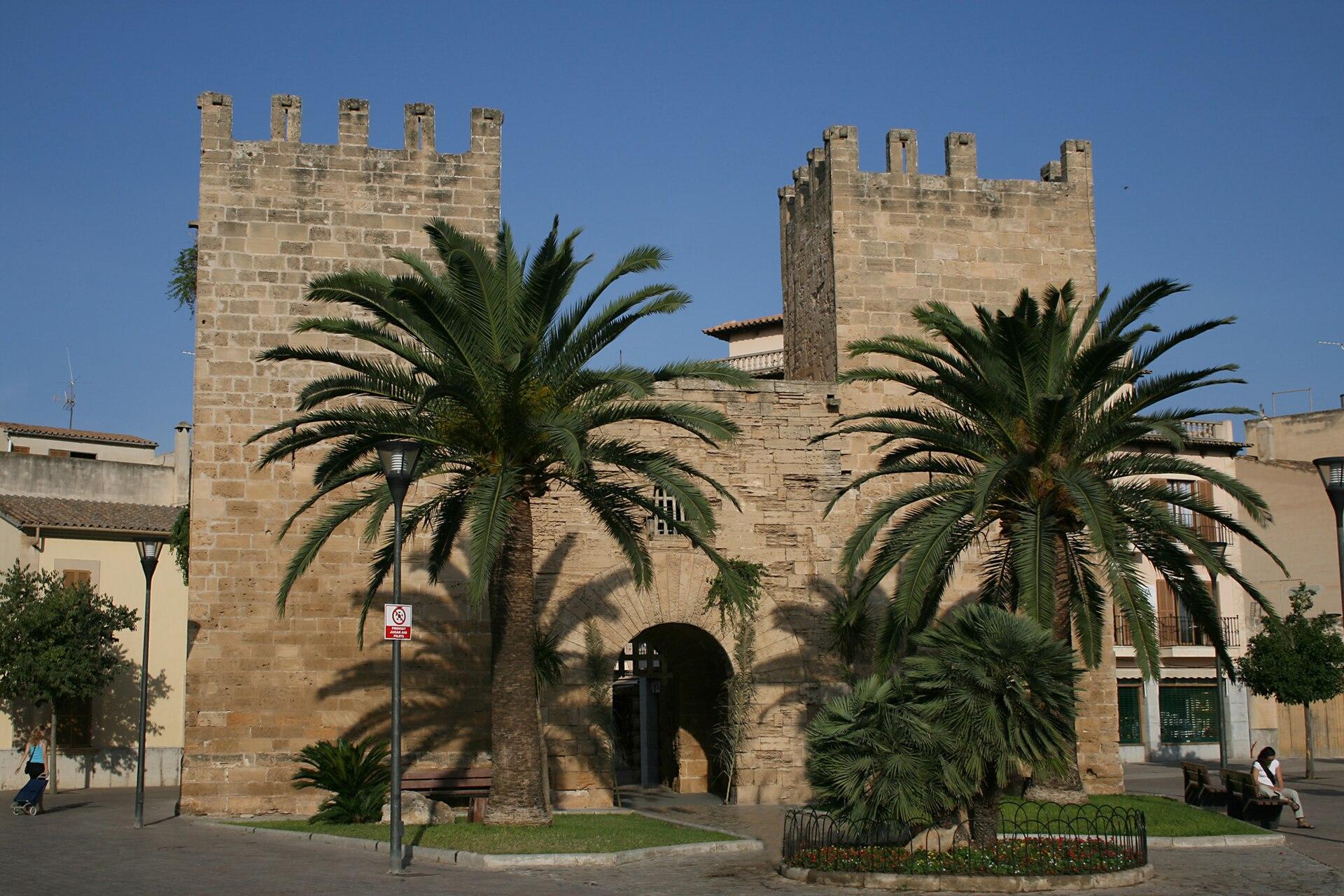
Alcúdia (Mallorca)
Alcúdia combines a walled old town with a separate port and a long beach on Mallorca's northern coast. Give each part its own role: historic streets for a cultural morning, Port d'Alcúdia for waterfront meals and the bay for beach time. A room labelled Alcúdia can belong to quite different settings.
Read the field guide
Algeciras
Algeciras is a working Strait-of-Gibraltar city with a large passenger port and a strong maritime identity. Give it more than a station-to-ship transfer: the centre around Plaza Alta, its historical layers and the surrounding coast provide a different view of this busy gateway.
Read the field guide
Alicante
Alicante is a Mediterranean city built around a castle hill, an old quarter and a seafront promenade. Start with the relationship between them: Santa Bárbara above the roofs, the historic streets below and the Explanada beside the harbour. Postiguet brings an urban beach into the same city stay.
Read the field guide
Almería
Almería offers a compact historical core below the Alcazaba, a fortress-like cathedral and a working Mediterranean waterfront. Allow a proper city day before travelling onward: shaded park paths, old streets and a tapas stop create a different experience from simply passing through the ferry terminal.
Read the field guide
Arrecife (Lanzarote)
Arrecife is Lanzarote's capital, with an everyday urban character alongside its maritime history. The central lagoon, old streets and waterfront make a useful city stay distinct from the island's purpose-built resort areas. Give the town its own visit rather than using the name only as an airport or ferry label.
Read the field guide
Barcelona
Barcelona combines modernista architecture, medieval streets and an active Mediterranean waterfront. Its variety deserves a few carefully chosen days: Gaudí's buildings in the Eixample, a walk through the Gothic Quarter and El Born, then a market meal or time beside the sea.
Read the field guide
Bilbao
Bilbao is a Basque city shaped by its estuary, with contemporary architecture beside an old quarter of tightly woven streets. Pair the Guggenheim area with a separate Casco Viejo walk, then allow time for pintxos and the market. The contrast between the two sides is more useful than a hurried landmark circuit.
Read the field guide
Cádiz
Cádiz is an Atlantic peninsula city where old neighbourhoods, open squares and sea walls sit close together. Start with the cathedral and El Pópulo, continue towards the market and La Viña, then choose a coastal walk or a beach stop. The compact historic centre rewards time on foot.
Read the field guide
Ceuta
Ceuta is a Spanish autonomous city on the North African shore of the Strait of Gibraltar. Its compact urban centre brings together sea-facing fortifications, shopping streets and a food culture shaped by several communities. It can reward a stay in its own right rather than serving only as a crossing point.
Read the field guideCiutadella (Menorca)
Ciutadella is Menorca's western historic city, with palatial streets above a narrow harbour. Its appeal is a walk between the old squares, cathedral, market and waterside terraces. Give the centre time before setting off for the island's coves or prehistoric monuments.
Read the field guide
Corralejo (Fuerteventura)
Corralejo is a northern Fuerteventura base in La Oliva municipality, facing the island of Lobos and the channel towards Lanzarote. The old harbour offers a maritime town walk, while the dunes and broader beach coast create a different outdoor day. Choose which side of that experience matters most before selecting accommodation.
Read the field guide
Dénia
Dénia puts a castle hill, a working port and the Montgó massif into the same Costa Blanca holiday. Its appeal is the combination: morning streets beneath the fortifications, a proper rice lunch and a choice between long sandy beaches and the rockier Les Rotes shore.
Read the field guide
Huelva
Huelva is an estuary city whose streets and waterfront reflect mining, trade and connections across the Atlantic. Explore the centre and the British industrial legacy before adding a coast or heritage outing. Casa Colón, Reina Victoria and the historic mineral wharf help explain how the city grew.
Read the field guide
Isla de Lobos
Isla de Lobos is a protected islet reached from Corralejo, with a volcanic landscape, coastal paths and small bathing coves. Treat it as a planned nature visit with a confirmed return, rather than as a resort with shops and accommodation waiting at arrival.
Read the field guide
Jávea / Xàbia
Xàbia, also known as Jávea, is a Costa Blanca town with three distinct centres: the historic streets, the fishing-port quarter and the Arenal beach area. Give each its own time. A waterfront room at Arenal creates a different holiday from a stay near the old town or working port.
Read the field guide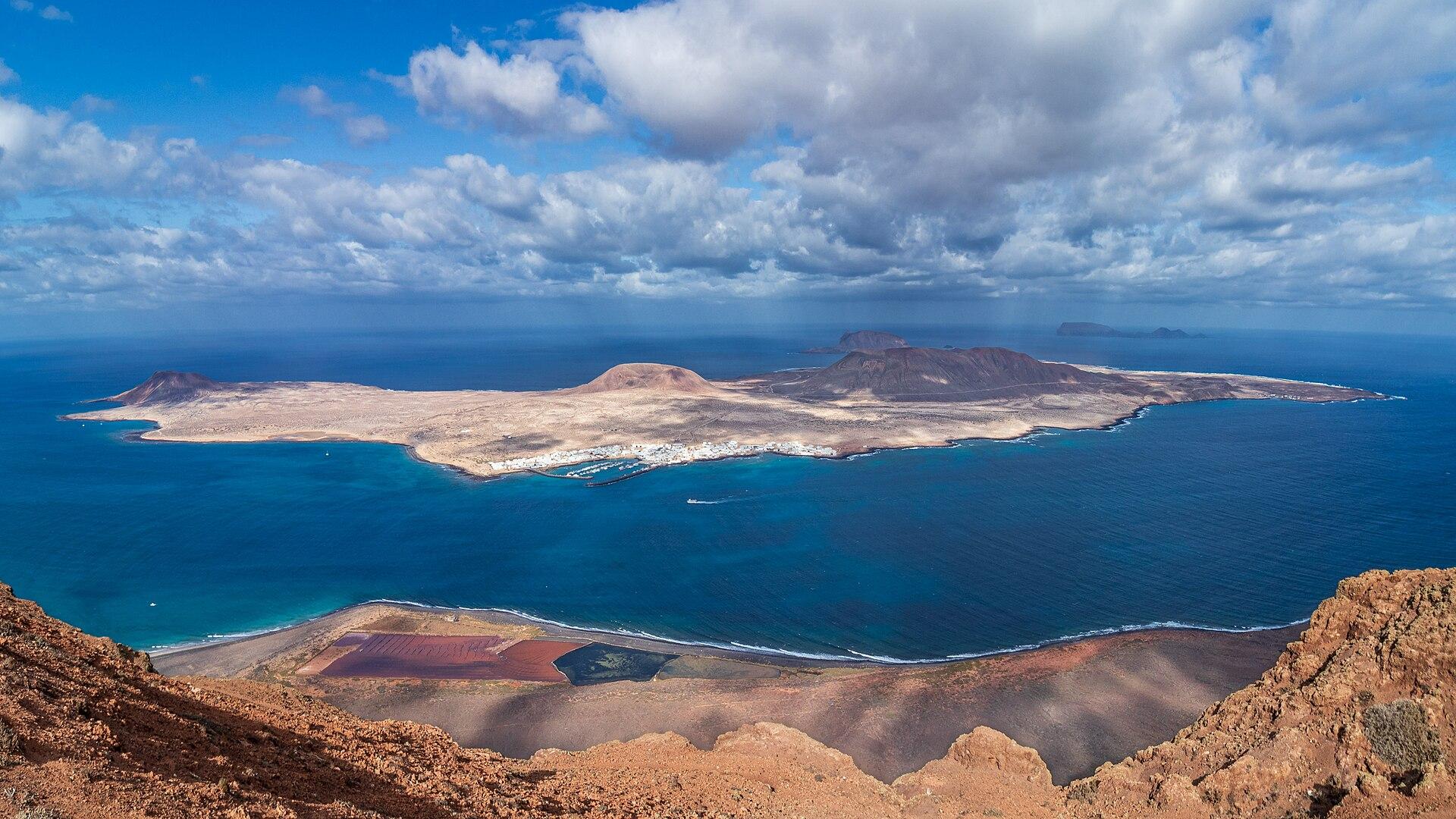
La Graciosa / Caleta de Sebo
La Graciosa is a protected island north of Lanzarote, reached by sea at Caleta de Sebo. Its sandy streets, fishing character and volcanic backdrop make it a different experience from a paved resort town. A slow village visit and one selected coastal route often make a better day than trying to circle the entire island.
Read the field guide
Las Palmas de Gran Canaria
Las Palmas de Gran Canaria brings two useful city experiences into one stay: the historical streets of Vegueta and Triana, and the beach-and-port side around Las Canteras. Give each area its own circuit instead of assuming that every central attraction lies within one short walk.
Read the field guide
Los Cristianos
Los Cristianos is a southern Tenerife town and resort with fishing roots, a working passenger harbour and beaches linked by coastal walking areas. It suits a stay focused on the sea, with shops and terraces creating an evening alternative to beach time.
Read the field guideMenorca area overviewMahón / Maó
Maó, also called Mahón, is Menorca's eastern city and administrative capital. Its historic streets sit above a long natural harbour, creating two related parts of a visit: town squares and markets on the higher ground, then waterside walks below. Choose a manageable route between them.
Read the field guide
Málaga
Málaga makes a city stay from old fortifications, art collections and a waterfront that is enjoyable on foot. Build the visit around one historical walk and one museum rather than trying to cover every cultural venue between connections. The centre and sea are close enough to combine, with the actual walking route still worth checking.
Read the field guide
Melilla
Melilla is a Spanish autonomous city on the North African Mediterranean coast. It offers two contrasting urban walks: the fortified old settlement and the later city with ornamental façades and broad public spaces. Give both enough time rather than treating the port as the only reason to visit.
Read the field guide
Morro Jable
Morro Jable is a southern Fuerteventura town and resort in Pájara municipality, combining a maritime settlement with a much longer beach coast. It can suit a stay focused on the sea, with shops and meals providing an alternative to spending every hour on the sand.
Read the field guide Area near Motril
Motril
Motril combines a Costa Tropical town with sugar-industry heritage, nearby agricultural landscapes and a separate working port. Spend time in the historical centre as well as by the sea. The town's story becomes clearer when a cultural visit is paired with food from the coast and the surrounding cultivated land.
Read the field guide
Órzola
Órzola is a small northern Lanzarote coastal village in Haría municipality, with a fishing harbour and the crossing to La Graciosa. Its lava-and-sand shoreline deserves more than a hurried transfer, but the surrounding beaches and the departure pier are different places to plan for.
Read the field guide
Palma de Mallorca
Palma is Mallorca's main city, with the cathedral beside the bay and a dense old town behind it. A good first day links the monumental waterfront with lanes, squares and a market meal. Bellver's wooded hill and the coastal neighbourhoods add different outings once you have explored the centre.
Read the field guide
Platja d'en Bossa
Platja d'en Bossa is Ibiza's long resort beach close to the island's main town. It combines sand, accommodation, shops and a strong summer music-and-leisure scene. Choose the stretch and property that fit your holiday: the busiest entertainment setting and a quieter beach stay are different choices within the same coastal area.
Read the field guide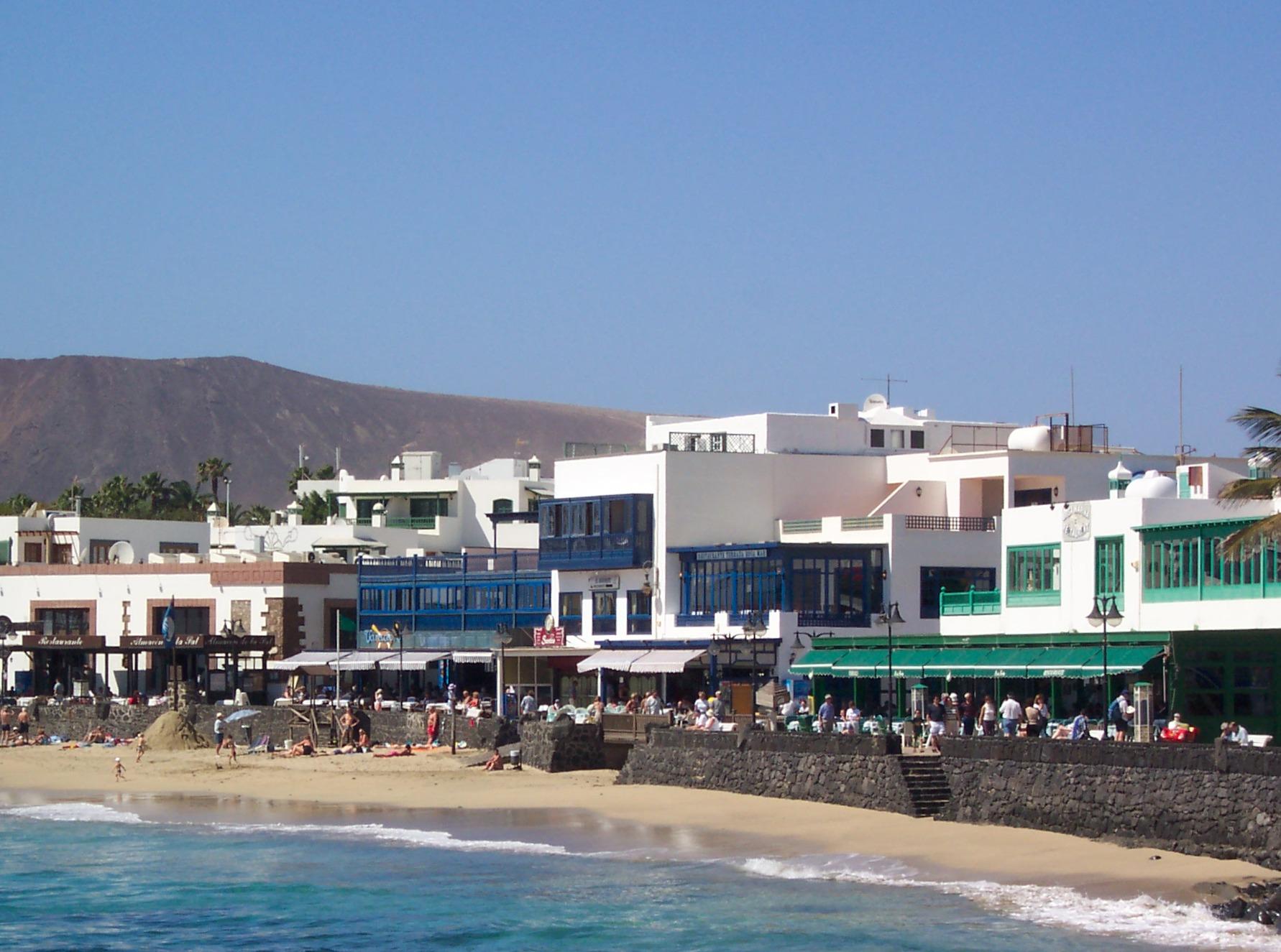
Playa Blanca
Playa Blanca is a southern Lanzarote base in Yaiza municipality, combining a seafront town, beaches and the crossing towards Corralejo on Fuerteventura. The resort and its surrounding coastline offer different ways to spend a day, from a short waterfront stroll to a planned excursion into the wider south.
Read the field guide
Playa Santiago
Playa Santiago is a southern La Gomera base shaped by its fishing harbour, waterfront and village square. A day here can stay pleasantly local: walk beside the shore, choose a fish lunch and leave time to watch the small-port activity from public areas.
Read the field guide
Puerto Calero
Puerto Calero is a yacht-marina base on Lanzarote's southern coast, with a waterfront of restaurants, shops and nautical services. It suits a harbour stroll, a waterside meal or a specifically booked sea outing. Its scale and character differ from the larger beach resort at neighbouring Puerto del Carmen.
Read the field guide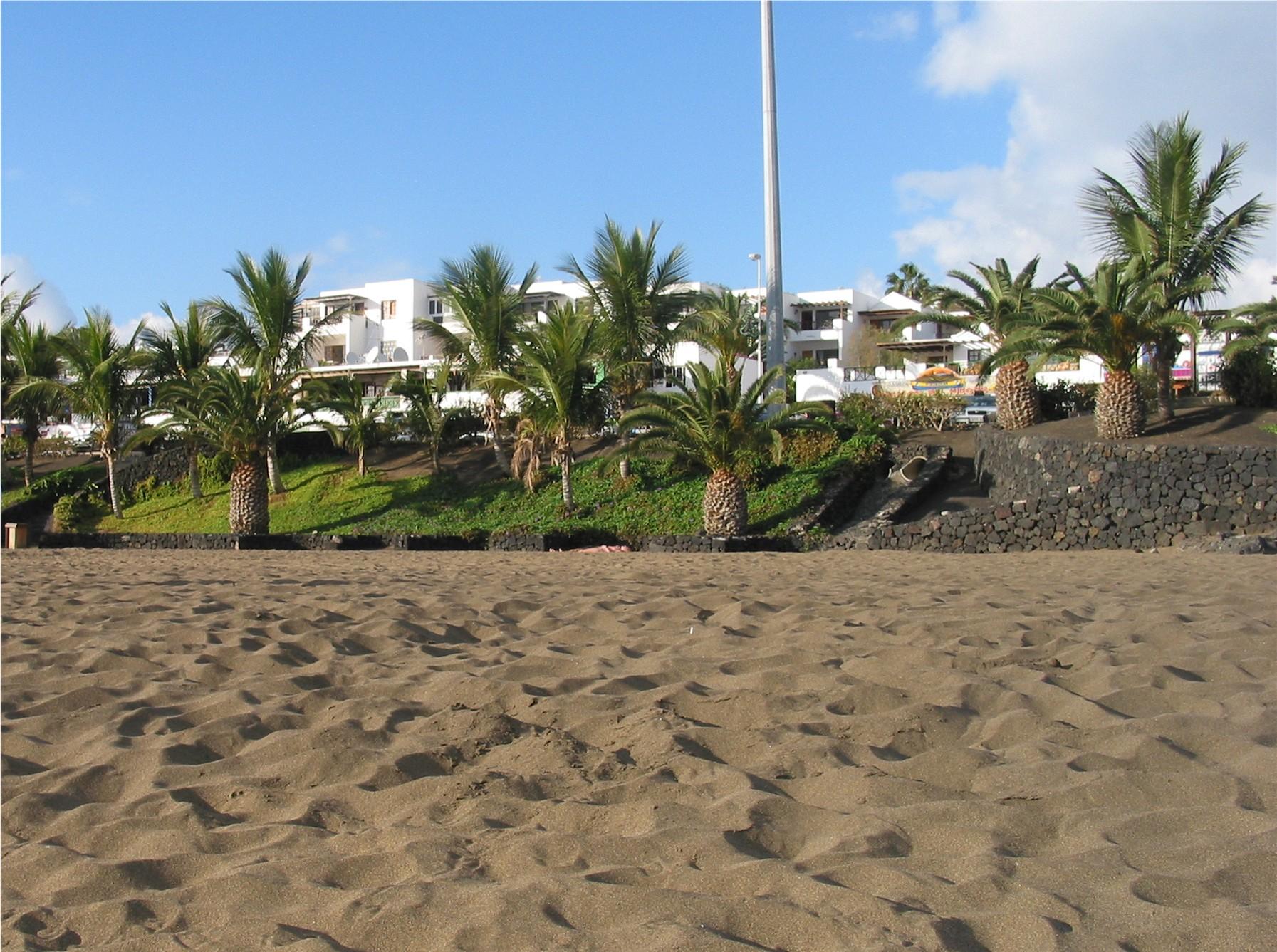
Puerto del Carmen
Puerto del Carmen combines Lanzarote's former fishing settlement of La Tiñosa with a much larger coastal resort in Tías municipality. The old harbour and the long beach avenue offer different ways to spend time, so choose a base according to the part of town you want to use daily.
Read the field guide
Puerto del Rosario
Puerto del Rosario is Fuerteventura's capital, with an everyday administrative and commercial rhythm alongside the waterfront. Its outdoor sculpture collection and the Unamuno house-museum give a city visit its own focus, distinct from the island's larger holiday resorts.
Read the field guide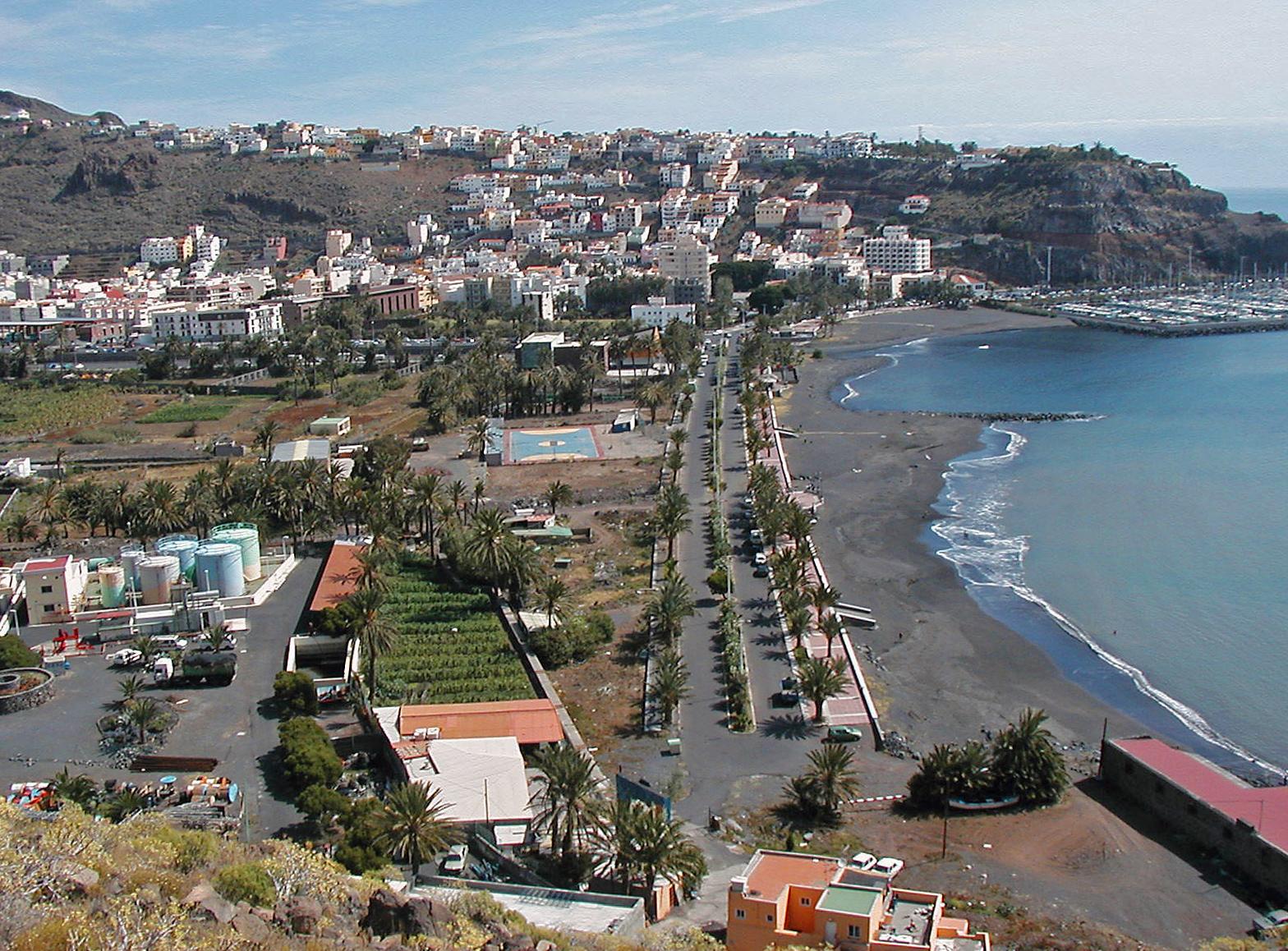
San Sebastián de la Gomera
San Sebastián de La Gomera makes an inviting first stop on the island: colourful houses, wooden balconies and a historic centre sit close to the sea. A heritage walk, a beach pause and a meal give the capital a different rhythm from a long excursion into the island's mountain interior.
Read the field guide
Santa Cruz de La Palma
Santa Cruz de La Palma is the island's eastern capital, with maritime balconies, old streets and squares that make a rewarding city walk. Its scale suits a visit built around heritage and a meal, while the rest of La Palma offers separate mountain and coastal outings.
Read the field guide
Santa Cruz de Tenerife
Santa Cruz de Tenerife offers a city stay of historical streets, gardens, shops and cultural venues beside an active port. Its centre makes a useful walk in its own right, while San Andrés and Las Teresitas provide a separate coastal outing. Choose a city-focused day rather than treating the whole island as one resort.
Read the field guide
Santander
Santander is a Cantabrian bay city with a central waterfront, cultural stops and a different seaside atmosphere around El Sardinero and the Magdalena Peninsula. A good short stay combines one city route with one coastal area instead of treating every beach as the next stop on the same promenade.
Read the field guide
Tarifa
Tarifa combines a walled old town with beaches, wind sports and a passenger gateway across the Strait. Spend time inside the historic streets before heading for the coast: Puerta de Jerez, San Mateo and the castle setting create a compact cultural visit distinct from a beach-club or kitesurfing day.
Read the field guide
Valencia
Valencia combines a mercantile old town, the gardens of the former Turia riverbed and a Mediterranean seafront. Its variety works best over several days: explore the historic core, give the City of Arts and Sciences its own visit, then make room for the beach or L'Albufera.
Read the field guide
Valle Gran Rey
Valle Gran Rey brings a green, terraced valley down to La Gomera's southwestern shore. Palms, traditional houses, dark beaches and the small fishing harbour at Vueltas create a setting that rewards time in several neighbourhoods rather than a single stop at a general destination pin.
Read the field guide
Valverde / El Hierro
Valverde is El Hierro's inland capital, with old streets, public squares and an ethnographic visit that helps explain island crafts. The wider municipality also reaches the coast, but the town itself is different from the ferry landing and the airport.
Read the field guidePhoto credits47
- Depicts: Mallorca
- Depicts: Ibiza
- Depicts: Menorca
- Depicts: Formentera
- Depicts: Tenerife
- Depicts: Gran Canaria
- Depicts: Lanzarote
- Depicts: Fuerteventura
- Depicts: La Palma
- Depicts: La Gomera
- Depicts: Alcúdia (Mallorca)Alcudia 6745. Author: Mike Lehmann, Mike Switzerland 15:53, 5 November 2006 (UTC). Credit: Own work. License: CC BY-SA 3.0 (https://creativecommons.org/licenses/by-sa/3.0/). Source: https://commons.wikimedia.org/wiki/File:Alcudia_6745.jpgCropped to fit the display.
- Depicts: AlgecirasPuerto de la bahia de Algeciras. Author: Adam Cli. Credit: Own work. License: CC BY-SA 4.0 (https://creativecommons.org/licenses/by-sa/4.0). Source: https://commons.wikimedia.org/wiki/File:Puerto_de_la_bahia_de_Algeciras.jpgCropped to fit the display.
- Depicts: Alicante
- Depicts: AlmeríaAlcazaba 1, Almeria, Spain. Author: Jebulon. Credit: Own work. License: CC0 (https://creativecommons.org/publicdomain/zero/1.0/). Source: https://commons.wikimedia.org/wiki/File:Alcazaba_1,_Almeria,_Spain.jpg
- Depicts: Arrecife (Lanzarote)Arrecife, en Lanzarote (Las Palmas, España). Author: Holger Uwe Schmitt. Credit: Own work. License: CC BY-SA 4.0 (https://creativecommons.org/licenses/by-sa/4.0). Source: https://commons.wikimedia.org/wiki/File:Arrecife,_en_Lanzarote_(Las_Palmas,_Espa%C3%B1a).jpgCropped to fit the display.
- Depicts: Barcelona
- Depicts: BilbaoBilbao - Plaza Unamuno 01. Author: Basotxerri. Credit: Own work. License: CC BY-SA 4.0 (https://creativecommons.org/licenses/by-sa/4.0). Source: https://commons.wikimedia.org/wiki/File:Bilbao_-_Plaza_Unamuno_01.jpgCropped to fit the display.
- Depicts: Cádiz
- Depicts: CeutaMuseo militar del Desnarigado. Author: Hansi_2010. Credit: panoramio. License: CC BY-SA 3.0 (https://creativecommons.org/licenses/by-sa/3.0). Source: https://commons.wikimedia.org/wiki/File:Museo_militar_del_Desnarigado.jpgCropped to fit the display.
- Depicts: Corralejo (Fuerteventura)
- Depicts: DéniaVista de Denia desde el castillo, España, 2022-07-13, DD 07-15 PAN. Author: Diego Delso. Credit: Own work. License: CC BY-SA 4.0 (https://creativecommons.org/licenses/by-sa/4.0). Source: https://commons.wikimedia.org/wiki/File:Vista_de_Denia_desde_el_castillo,_Espa%C3%B1a,_2022-07-13,_DD_07-15_PAN.jpgCropped to fit the display.
- Depicts: HuelvaHuelva (Spain) (41302627111) (cropped). Author: Jose A.. Credit: Huelva (Spain). License: CC BY 2.0 (https://creativecommons.org/licenses/by/2.0). Source: https://commons.wikimedia.org/wiki/File:Huelva_(Spain)_(41302627111)_(cropped).jpgCropped to fit the display.
- Depicts: Isla de LobosIsla de Lobos Spain 2016 05. Author: Bengt Nyman. Credit: Own work. License: CC BY-SA 4.0 (https://creativecommons.org/licenses/by-sa/4.0). Source: https://commons.wikimedia.org/wiki/File:Isla_de_Lobos_Spain_2016_05.jpgCropped to fit the display.
- Depicts: Jávea / XàbiaJávea, España, 2014-07-01, DD 04. Author: Diego Delso. Credit: Own work. License: CC BY-SA 4.0 (https://creativecommons.org/licenses/by-sa/4.0). Source: https://commons.wikimedia.org/wiki/File:J%C3%A1vea,_Espa%C3%B1a,_2014-07-01,_DD_04.JPGCropped to fit the display.
- Depicts: La Graciosa / Caleta de SeboLa Graciosa. Author: MiljenkoSuljic. Credit: Own work. License: CC BY-SA 4.0 (https://creativecommons.org/licenses/by-sa/4.0). Source: https://commons.wikimedia.org/wiki/File:La_Graciosa.jpgCropped to fit the display.
- Depicts: Las Palmas de Gran CanariaCanteras EM1B2907 (40642755393). Author: Bengt Nyman from Vaxholm, Sweden. Credit: Canteras EM1B2907. License: CC BY 2.0 (https://creativecommons.org/licenses/by/2.0). Source: https://commons.wikimedia.org/wiki/File:Canteras_EM1B2907_(40642755393).jpgCropped to fit the display.
- Depicts: Los CristianosVista de Los Cristianos, Tenerife, España, 2012-12-14, DD 01. Author: Diego Delso. Credit: Own work. License: CC BY-SA 3.0 (https://creativecommons.org/licenses/by-sa/3.0). Source: https://commons.wikimedia.org/wiki/File:Vista_de_Los_Cristianos,_Tenerife,_Espa%C3%B1a,_2012-12-14,_DD_01.jpgCropped to fit the display.
- Depicts: Málaga
- Depicts: Melilla(Melilla) Aterrizando en Melilla (16668390111). Author: JJ Merelo. Credit: Aterrizando en Melilla. License: CC BY-SA 2.0 (https://creativecommons.org/licenses/by-sa/2.0). Source: https://commons.wikimedia.org/wiki/File:(Melilla)_Aterrizando_en_Melilla_(16668390111).jpgCropped to fit the display.
- Depicts: Morro JableAerial view of the town of Morro Jable on Fuerteventura, Canary Islands. Author: dronepicr. Credit: https://www.flickr.com/photos/132646954@N02/51121963936/. License: CC BY 2.0 (https://creativecommons.org/licenses/by/2.0). Source: https://commons.wikimedia.org/wiki/File:Aerial_view_of_the_town_of_Morro_Jable_on_Fuerteventura,_Canary_Islands.jpgCropped to fit the display.
- Area image: Teatro Calderon de la Barca — Area near MotrilVista nocturna del Teatro Calderón de la Barca (Motril). Author: Salobreñero. Credit: Own work. License: CC BY-SA 4.0 (https://creativecommons.org/licenses/by-sa/4.0). Source: https://commons.wikimedia.org/wiki/File:Vista_nocturna_del_Teatro_Calder%C3%B3n_de_la_Barca_(Motril).jpgCropped to fit the display.
- Depicts: ÓrzolaOrzola on Lanzarote, June 2013 (1). Author: Chmee2. Credit: Own work. License: CC BY-SA 3.0 (https://creativecommons.org/licenses/by-sa/3.0). Source: https://commons.wikimedia.org/wiki/File:Orzola_on_Lanzarote,_June_2013_(1).jpgCropped to fit the display.
- Depicts: Palma de Mallorca
- Depicts: Platja d'en BossaPlayaDenBossaIbiza. Author: scanbus ( talk ) at en.wikipedia. Credit: Transferred from en.wikipedia (Original text : I created this work entirely by myself. ). License: CC BY 3.0 (https://creativecommons.org/licenses/by/3.0). Source: https://commons.wikimedia.org/wiki/File:PlayaDenBossaIbiza.jpgCropped to fit the display.
- Depicts: Playa BlancaPlaya Blanca Town Promenade and Beach 01. Author: Jahunteruk at English Wikipedia. Credit: Transferred from en.wikipedia to Commons by Michiel1972 using CommonsHelper .. License: Public domain (https://creativecommons.org/publicdomain/mark/1.0/). Source: https://commons.wikimedia.org/wiki/File:Playa_Blanca_Town_Promenade_and_Beach_01.JPG
- Depicts: Playa SantiagoLa Gomera, GR 132 (16). Author: Michal Klajban. Credit: Own work. License: CC BY-SA 4.0 (https://creativecommons.org/licenses/by-sa/4.0). Source: https://commons.wikimedia.org/wiki/File:La_Gomera,_GR_132_(16).jpgCropped to fit the display.
- Depicts: Puerto CaleroPuerto Calero, Las Palmas, Spain - panoramio. Author: georama. Credit: https://www.panoramio.com/photo/6828491. License: CC BY 3.0 (https://creativecommons.org/licenses/by/3.0). Source: https://commons.wikimedia.org/wiki/File:Puerto_Calero,_Las_Palmas,_Spain_-_panoramio.jpgCropped to fit the display.
- Depicts: Puerto del CarmenNo machine-readable author provided. Punkmorten assumed (based on copyright claims).Wikimedia CommonsPublic domainPuertodelcarmenBeach. Author: No machine-readable author provided. Punkmorten assumed (based on copyright claims).. Credit: No machine-readable source provided. Own work assumed (based on copyright claims).. License: Public domain (https://creativecommons.org/publicdomain/mark/1.0/). Source: https://commons.wikimedia.org/wiki/File:PuertodelcarmenBeach.JPG
- Depicts: Puerto del RosarioPuerto del Rosario, Fuerteventura. Author: Gerd Fahrenhorst. Credit: Own work. License: Public domain (https://creativecommons.org/publicdomain/mark/1.0/). Source: https://commons.wikimedia.org/wiki/File:Puerto_del_Rosario,_Fuerteventura.jpg
- Depicts: San Sebastián de la GomeraSan Sebastián de La Gomera, Islas Canarias. Author: Oliver Raupach. Credit: Own work. License: CC BY-SA 2.5 (https://creativecommons.org/licenses/by-sa/2.5). Source: https://commons.wikimedia.org/wiki/File:San_Sebasti%C3%A1n_de_La_Gomera,_Islas_Canarias.jpgCropped to fit the display.
- Depicts: Santa Cruz de La PalmaBlick auf Santa Cruz. Author: Pwagenblast. Credit: Own work. License: CC BY-SA 3.0 (https://creativecommons.org/licenses/by-sa/3.0). Source: https://commons.wikimedia.org/wiki/File:Blick_auf_Santa_Cruz.jpgCropped to fit the display.
- Depicts: Santa Cruz de Tenerife
- Depicts: SantanderEl Palacio de la Magdalena (2). Author: Noreenlam. Credit: File:El_Palacio_de_la_Magdalena.jpg. License: CC BY-SA 3.0 (https://creativecommons.org/licenses/by-sa/3.0). Source: https://commons.wikimedia.org/wiki/File:El_Palacio_de_la_Magdalena_(2).jpgCropped to fit the display.
- Depicts: Tarifa
- Depicts: ValenciaMalvarrosa Beach, Valencia, Spain (29812271043). Author: Boris Dzhingarov. Credit: Malvarrosa Beach, Valencia, Spain. License: CC BY 2.0 (https://creativecommons.org/licenses/by/2.0). Source: https://commons.wikimedia.org/wiki/File:Malvarrosa_Beach,_Valencia,_Spain_(29812271043).jpgCropped to fit the display.
- Depicts: Valle Gran Rey
- Depicts: Valverde / El HierroValverde, en El Hierro (Santa Cruz de Tenerife, España). Author: Mataparda. Credit: Own work. License: CC BY 3.0 (https://creativecommons.org/licenses/by/3.0). Source: https://commons.wikimedia.org/wiki/File:Valverde,_en_El_Hierro_(Santa_Cruz_de_Tenerife,_Espa%C3%B1a).jpgCropped to fit the display.
