
Ireland.
Ireland can be a city break, a slow journey along the Atlantic coast or a holiday centred on lakes, villages and historic sites. Dublin, Cork and Galway give different urban starting points; a small number of well-chosen bases leaves room for walks, local food and evenings with music. Resist turning every famous peninsula into a compulsory stop.
Photo credits1
- Depicts: Ireland
A little closer to Ireland
Geography, regions and practical details from the country guide. Go straight to a chapter, or browse every destination below.
Go straight to the destinationsIreland can be a city break, a slow journey along the Atlantic coast or a holiday centred on lakes, villages and historic sites. Dublin, Cork and Galway give different urban starting points; a small number of well-chosen bases leaves room for walks, local food and evenings with music. Resist turning every famous peninsula into a compulsory stop.
A ferry arrival is most useful when it shapes the itinerary. Dublin, Rosslare and Cork lead into different parts of the country, and a harbour name does not necessarily mean you are beside the city centre. Plan the onward journey before choosing the first overnight stay, especially when travelling without a vehicle.
Landscape and trip style
This guide covers the Republic of Ireland. Northern Ireland occupies the north-eastern part of the same island and is part of the United Kingdom, with different entry and currency arrangements. The island lies in north-western Europe and combines a central lowland, lakes and boglands with hills and coastal mountains. Atlantic-facing shores and inland waterways offer different kinds of outdoor holiday.
Regions to explore
Dublin suits museums, neighbourhood walks and a coastal extension. The Wild Atlantic Way connects western coastal landscapes; choose a manageable section rather than attempting the entire route in a few days. Ireland’s Ancient East introduces historic towns and monuments, while the Hidden Heartlands focuses on quieter inland landscapes and waterways. Cork, Galway, Kilkenny, Waterford and Limerick provide other city bases. Match nearby heritage sites to the region you choose.
Language
Irish and English are official languages. English is widely used, while Irish remains a living community language in Gaeltacht areas, particularly in the west. Road signs often show both languages, but Gaeltacht signs can use Irish alone. Keep the Irish form of a destination or address when checking a route; it may be the name you see on the ground.
Money
The Republic uses the euro; Northern Ireland uses pound sterling. Visa and Mastercard are widely accepted, but individual businesses and other card brands vary. Know your card’s PIN, carry a backup payment method and check bank fees for withdrawals or currency conversion. Do not assume a euro price or transport product continues unchanged when crossing the border.
Culture and food
Soda bread, seafood, dairy produce and dishes such as Dublin coddle show different sides of Irish cooking. Traditional music sessions are social gatherings of musicians, sometimes informal and sometimes organised; not every session welcomes visiting players. Listening respectfully is a good starting point. Combine a cultural visit with time in an ordinary café or neighbourhood, without assuming every pub has music every night.
When to go
Atlantic weather is variable: showers and sunshine can follow one another quickly, and wind affects exposed coasts. Summer offers longer days for touring, while spring and autumn suit flexible city-and-countryside plans. Winter needs more attention to daylight, weather warnings and seasonal opening. Pack layers and waterproof clothing, and keep an indoor alternative rather than treating any month as a guarantee of dry weather.
Getting there
Choose an airport or ferry port that fits the region you will explore. On Irish Ferries’ Dublin–Holyhead and Rosslare–Pembroke services, every passenger must present a valid passport or Irish passport card from 28 September 2026, including British and Irish citizens and children. Other routes and companies have their own instructions. Carrier document rules and legal entry requirements are separate checks; confirm both before travelling.
Getting around
Combine intercity rail or coach travel with local services. TFI Local Link has scheduled rural routes, while its door-to-door services require advance booking and can run less frequently. A Leap card works on participating services, not as an unlimited nationwide rail pass. Drivers keep left; distances and speed limits use kilometres in the Republic and miles in Northern Ireland. Check the last connection back to your accommodation before setting out.
Planning your stay
Ireland has its own immigration arrangements: a Schengen or UK visa does not automatically authorise entry, although specific exceptions exist. Check the official requirements for your nationality and any separate Northern Ireland visit. Heritage-site booking windows and admission conditions vary, and some locations close seasonally. Choose accommodation around the transport you will actually use, and leave weather flexibility for an island crossing or an exposed coastal outing.
Good to know before you go
Does this guide include Northern Ireland?
It covers the Republic of Ireland. Northern Ireland shares the island but is part of the UK; check its separate entry, currency and transport arrangements.
Can I use euros throughout the island?
The Republic uses euros and Northern Ireland uses pounds sterling. Check payment and conversion arrangements when travelling between them.
Does a Schengen visa automatically cover Ireland?
No. Ireland has separate visa rules. Check official requirements and any specifically applicable exemption before travel.
Can a British or Irish citizen board Irish Ferries with only a driving licence?
Not on Dublin–Holyhead or Rosslare–Pembroke under the rules effective 28 September 2026. Irish Ferries requires a valid passport or Irish passport card for every passenger on those routes.
Can I explore rural Ireland without a car?
Yes, where rail, coach and local bus connections fit your plans. Check TFI Local Link schedules carefully; door-to-door services require advance booking and are not necessarily daily.
Sources & references
These references support the guide. Confirm opening hours, access and travel services before you go.
- 01Irish Department of Foreign Affairs — geography
- 02Fáilte Ireland — regional and city destinations
- 03Office of Public Works — inland heritage
- 04Office of Public Works — Atlantic heritage
- 05Tourism Ireland — languages
- 06Tourism Ireland — currencies and payment methods
- 07Visit Dublin — regional food and ingredients
- 08Comhaltas — music session types and etiquette
- 09Met Éireann — variable oceanic climate
- 10Tourism Ireland — arrival ports
- 11Irish Ferries — route-specific passport rules effective September 2026
- 12Irish Department of Foreign Affairs — separate visa requirements
- 13Transport for Ireland — rural services and advance booking
- 14Transport for Ireland — Leap card coverage
- 15Tourism Ireland — driving and cross-border units
- 16Office of Public Works — heritage booking conditions
Find your place in Ireland
Open the guides, get a feel for the differences between places, and find the ones that fit your plans.

Arranmore Island
Arranmore, or Árainn Mhór, is a Donegal island where Irish-language culture, working harbours and Atlantic landscapes belong to the same everyday place. Arrive from Burtonport and allow time beyond the first waterfront: the inhabited eastern side, inland lakes and exposed western coast offer very different impressions. This is Arranmore in County Donegal, not the Aran Islands off Galway or Scotland’s Arran.
Read the field guide
Burtonport
Burtonport, Ailt an Chorráin, is a mainland harbour village on Donegal’s western coast and a gateway to the islands of the Rosses. Its working waterfront, Irish-language setting and former railway corridor make it worth more than a hurried ferry check-in. A short harbour visit can become a walk, a meal or the start of a carefully planned island day.
Read the field guide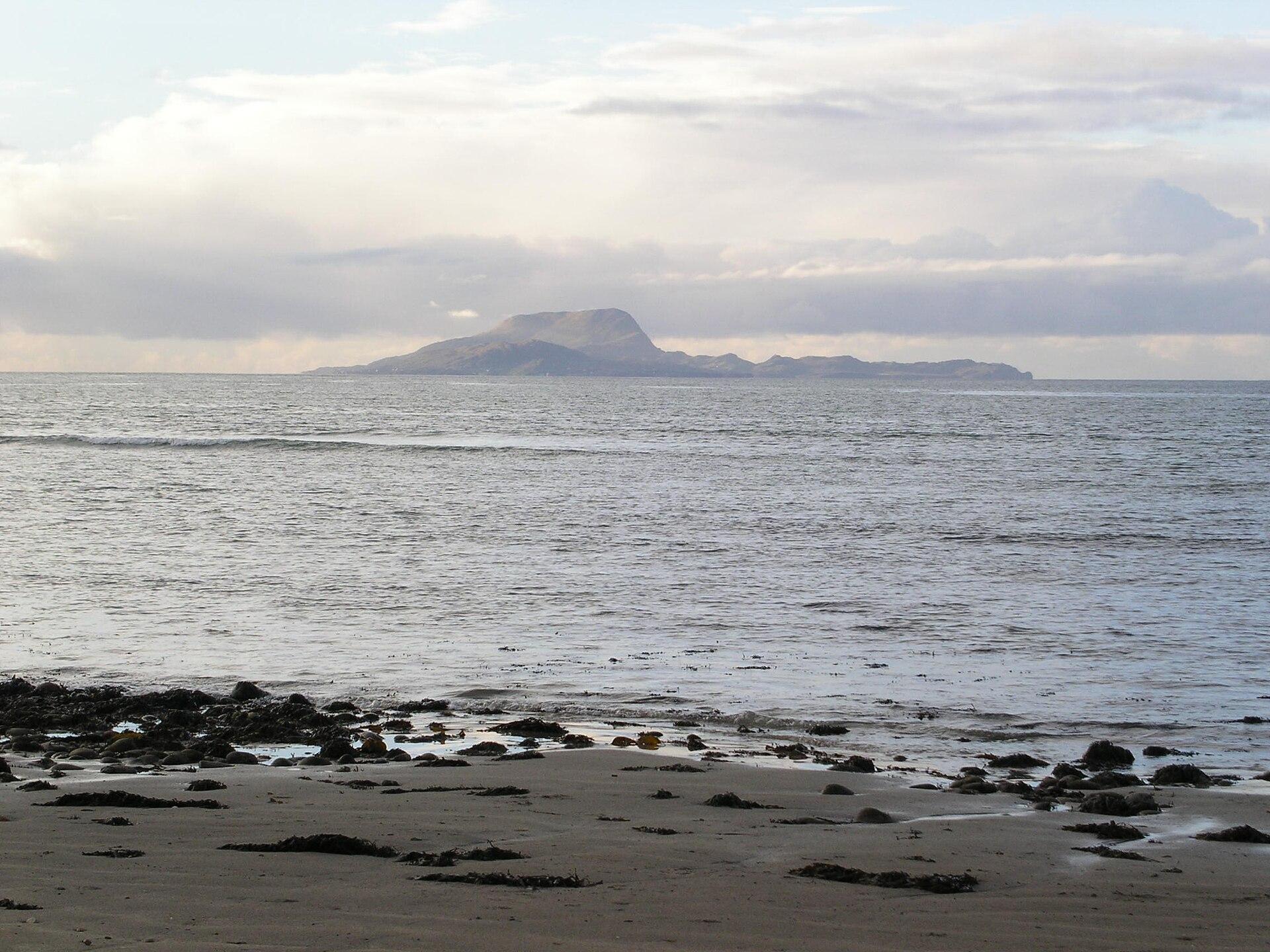
Clare Island
Clare Island stands at the entrance to Clew Bay off County Mayo, with a harbour castle, medieval painted church and hills rising above the Atlantic. Its association with Grace O’Malley is only part of the appeal: a shore walk, changing views towards the mainland and the rhythm of a small island community give a visit its shape. It is not in County Clare.
Read the field guide
Cork
Cork is a city for markets, narrow streets, music and unhurried meals, with the River Lee giving the centre its waterside character. A city stay works best when you leave room to wander between the English Market, the northside streets of Shandon and the western university area. Treat the surrounding county and harbour towns as additional journeys, not as neighbourhoods all reached in a few steps.
Read the field guideDublin
Dublin combines a walkable central city with a much wider collection of neighbourhoods and coastal outings. The River Liffey divides its north and south sides; a useful first visit mixes a few booked cultural stops with time for cafés, street life and a different neighbourhood each day. Do not try to fit the whole county into a short central walking circuit.
Read the field guide Area overview: County Mayo
Roonagh Pier
Roonagh Pier is the mainland departure point for Clare Island and Inishturk on the Mayo coast. Its purpose is a sea connection, with views across the Atlantic-facing landscape while you wait. Treat it as a specific harbour at the end of a road beyond Louisburgh, rather than as another name for that town or for either island.
Read the field guide
Rosslare
Rosslare is both an international sea gateway and a useful starting point for the coast of County Wexford. For ferry travel, the relevant place is Rosslare Europort at Rosslare Harbour, where the village overlooks the working port. A short stay can combine maritime views, a village walk and time to recover before or after a crossing.
Read the field guidePhoto credits7
- Depicts: Arranmore IslandArranmore, Co. Donegal (Aerial 2007). Author: Mike Knell. Credit: https://www.flickr.com/photos/mpk/432772523/. License: CC BY-SA 2.0 (https://creativecommons.org/licenses/by-sa/2.0). Source: https://commons.wikimedia.org/wiki/File:Arranmore,_Co._Donegal_(Aerial_2007).jpgCropped to fit the display.
- Depicts: BurtonportAiltanchorrain. Author: MaxPride. Credit: Own work. License: CC BY-SA 4.0 (https://creativecommons.org/licenses/by-sa/4.0). Source: https://commons.wikimedia.org/wiki/File:Ailtanchorrain.JPGCropped to fit the display.
- Depicts: Clare IslandClare Island. Author: Brendanconway. Credit: Own work. License: Public domain (https://creativecommons.org/publicdomain/mark/1.0/). Source: https://commons.wikimedia.org/wiki/File:Clare_Island.jpg
- Depicts: CorkBallintemple, Cork, Ireland - panoramio (5). Author: K.ristof. Credit: https://web.archive.org/web/20161025212716/http://www.panoramio.com/photo/72326166. License: CC BY-SA 3.0 (https://creativecommons.org/licenses/by-sa/3.0). Source: https://commons.wikimedia.org/wiki/File:Ballintemple,_Cork,_Ireland_-_panoramio_(5).jpgCropped to fit the display.
- Depicts: Dublin
- Area image: County Mayo — Area overview: County MayoBeautiful Achill Islands in County Mayo of Ireland. Author: Kiran Madhusudhanan. Credit: Own work. License: CC BY-SA 4.0 (https://creativecommons.org/licenses/by-sa/4.0). Source: https://commons.wikimedia.org/wiki/File:Beautiful_Achill_Islands_in_County_Mayo_of_Ireland.jpgCropped to fit the display.
- Depicts: RosslareRosslare Harbour - aerial - 2024-08-31 01. Author: 瑞丽江的河水. Credit: Own work. License: CC BY-SA 4.0 (https://creativecommons.org/licenses/by-sa/4.0). Source: https://commons.wikimedia.org/wiki/File:Rosslare_Harbour_-_aerial_-_2024-08-31_01.jpgCropped to fit the display.
