Spring
We suggest spring for village walks and selected Tramuntana outings. Treat mountain weather separately from the coast and choose each route according to current conditions.

Mallorca works best as an island of contrasts. Begin in Palma for the cathedral, Bellver Castle, museums and courtyards, then follow the Tramuntana foothills through Valldemossa, Deià and Sóller. On the opposite side of the island, Alcúdia, Pollença and the eastern coast bring a different rhythm of harbours, coves and rural towns.
Choose a tool and your dates to check the options for your trip.
Mallorca works best as an island of contrasts. Begin in Palma for the cathedral, Bellver Castle, museums and courtyards, then follow the Tramuntana foothills through Valldemossa, Deià and Sóller. On the opposite side of the island, Alcúdia, Pollença and the eastern coast bring a different rhythm of harbours, coves and rural towns.
The island is not only a beach destination. Its landscape, village life, archaeological heritage and Mediterranean cuisine reward slow travel, while the mild climate makes walking, scenic drives and outdoor days possible beyond the hottest months.
We suggest spring for village walks and selected Tramuntana outings. Treat mountain weather separately from the coast and choose each route according to current conditions.
Summer is the natural season for swimming, coves, harbours and beach-club life. Plan cultural visits early or late in the day and keep mountain routes for cooler hours.
The mild Mediterranean setting supports city breaks, food-focused travel and Tramuntana scenery beyond the main bathing season. Winter is particularly well suited to Palma, villages and archaeological stops.
Ferries use Palma and Alcúdia on different sides of the island. Confirm the port printed on your booking before organising a transfer; Palma city and Port d’Alcúdia are separate journeys. Check the exact terminal and boarding instructions for your sailing.
Palma de Mallorca Airport is the island’s air gateway. Aena provides current bus, taxi and road-access information. Choose the onward connection for your actual destination rather than assume every airport bus travels into Palma.
A car is the most flexible choice for combining Palma, Tramuntana villages, archaeological sites and remote coves. In Palma and other towns, walk the historic cores and use local buses for urban links; leave extra time for mountain roads and avoid building a whole-island day around one connection.
Try ensaïmada, the coiled pastry associated with Mallorca. Compare plain and filled versions at a bakery, and ask how best to pack one if you want to take it home.
Sobrassada is another characteristic Mallorcan product. For a fuller meal, explore seasonal cooking in Palma or a village taverna and ask about ingredients before choosing dishes.
Inland stops such as Inca, Sineu and Manacor give a different setting for food shopping and cafés. Check the actual market day before making a special journey.
Explore Palma’s cathedral, historic courtyards and waterfront, with time for a museum or café. Keep the old-town walk compact rather than trying to include every major monument in a single morning.
The circular Bellver Castle is one of Palma’s signature landmarks and pairs naturally with the capital’s cathedral and museum circuit. Its hilltop setting adds a city-and-bay viewpoint to a cultural morning.
The Tramuntana runs parallel to Mallorca’s north-west coast and is the island’s defining mountain landscape. Use it as the backbone of a road or walking itinerary linking stone villages, terraces, viewpoints and the sea.
Valldemossa is associated with Chopin and George Sand’s stay at the Charterhouse. Its stone lanes make a worthwhile mountain outing; pair it with one nearby stop rather than a long sequence of villages.
Sóller sits in a valley, while Port de Sóller is its separate coastal settlement. The historic railway offers another way to approach the town. Check the onward connection if your plan includes both the town and the harbour.
The Drach Caves are at Porto Cristo on the east coast, with an underground lake as part of the visit. Check the attraction’s current admission arrangements and allow for its walking route when planning the rest of the day.
Choose Palma for walkable heritage, museums, courtyards, shopping around Passeig del Born and easy access to the airport and the island’s main roads.
Valldemossa, Deià, Sóller, Banyalbufar and Pollença form a mountain-and-coast belt of stone villages, gardens, ports and scenic roads.
Alcúdia and Pollença are useful northern bases for coves, harbour life and access toward Formentor, while Muro gives access to the broad north-coast beach landscape.
Manacor, Artà and Cala Ratjada offer different eastern bases and excursions, from inland town life to a harbour setting. Llucmajor provides another southern inland option. Group nearby stops so the day does not become a succession of cross-island drives.
The beaches around the Bay of Alcúdia and Playa de Muro suit a stay built around the northern coast. Combine a beach outing with Alcúdia’s old town, and check the distance between your hotel and the particular stretch of sand you want.
The western mountains meet the sea in small coves and viewpoints around Deià, Sóller and Banyalbufar. Treat access as a landscape outing rather than expecting one continuous resort beach.
Cala Fornells is a southwest coastal option in the Calvià area. Compare the size and access of individual coves before choosing a hotel: a coastal address does not always mean a broad beach directly outside.
Cala Ratjada offers a northeastern harbour base for exploring nearby coastal spots. Choose individual beaches according to the day’s wind and your preferred walking distance.
Best for a first visit, culture, restaurants, airport access and onward day trips.
Best for mountain scenery, village atmosphere and slower stays between walks and coves.
Best for northern beaches, harbours and access to the north-west landscape.
Best for a coastal holiday with beach infrastructure and easy access to Palma.
The Tramuntana is a real mountain landscape, not just a scenic road. Wear stable footwear, carry water and allow time for winding roads and changing conditions.
Stay on marked paths and keep clear of terraces and archaeological remains. Leave caves and historic sites as you found them, and check access arrangements before a special journey.
Ferry departures, fares, local bus timetables, attraction access and airport services are changeable. Confirm them with the operator or Aena before departure.
Combine Palma’s cathedral and museums with Tramuntana villages, northern beaches or the Drach Caves. Choose a few nearby stops for each day.
Palma is the most versatile base for a first visit, while Sóller or a Tramuntana village suits a slower mountain-and-coast trip. Alcúdia or Pollença is better when northern beaches and harbours are the priority.
Yes for Palma and selected towns, but a car makes the island’s villages, coves and archaeological sites much easier to combine. Use the airport bus and city transport for the capital, then check current intercity options.
Try ensaïmada at a bakery, then explore sobrassada and seasonal island cooking. Ask about ingredients and choose the portion size to suit your meal.
These references support the guide. Confirm opening hours, access and travel services before you go.
More guides in Spain. Compare the places and check actual connections before combining stops.
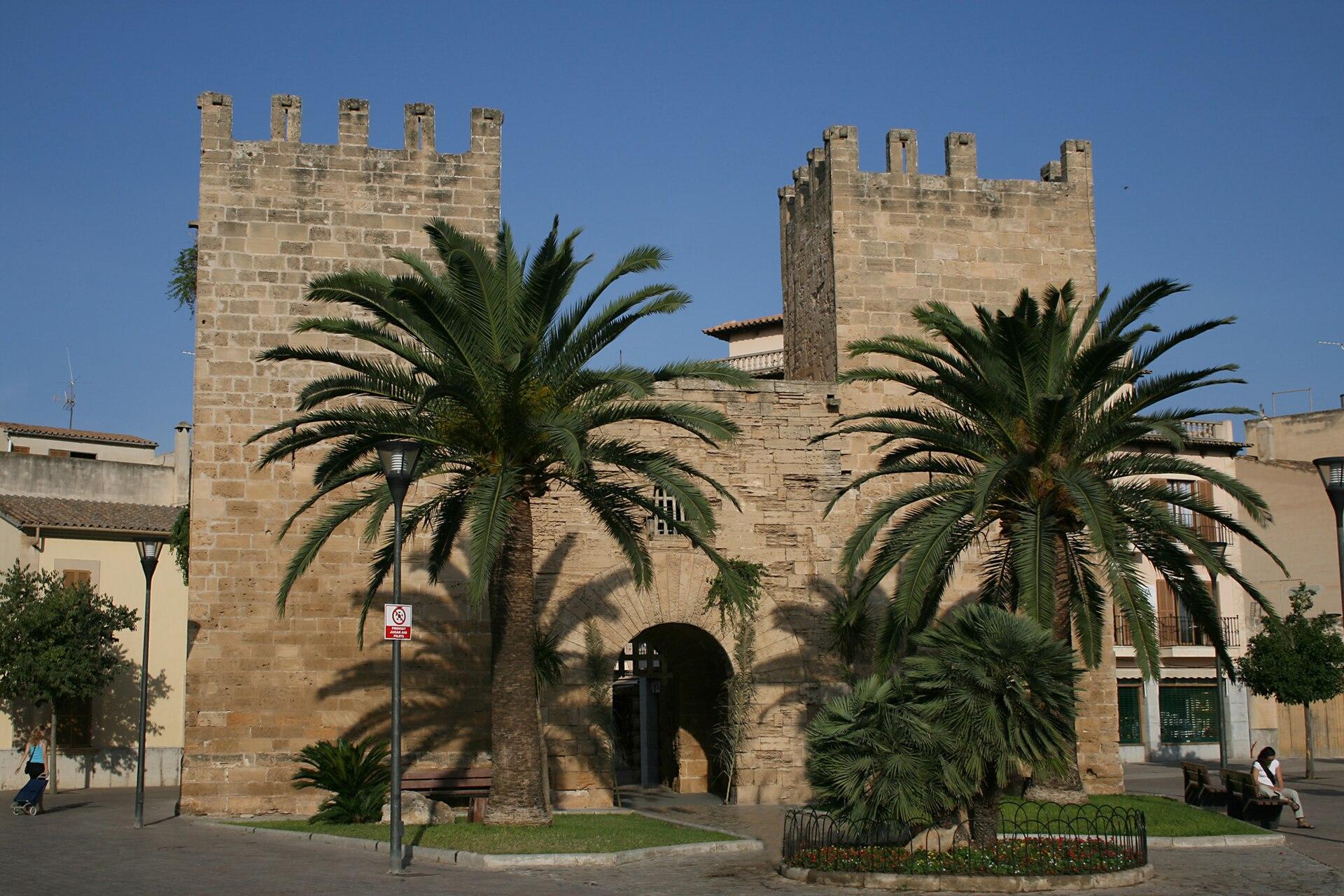
Alcúdia combines a walled old town with a separate port and a long beach on Mallorca's northern coast. Give each part its own role: historic streets for a cultural morning, Port d'Alcúdia for waterfront meals and the bay for beach time. A room labelled Alcúdia can belong to quite different settings.
Get to know the place
Palma is Mallorca's main city, with the cathedral beside the bay and a dense old town behind it. A good first day links the monumental waterfront with lanes, squares and a market meal. Bellver's wooded hill and the coastal neighbourhoods add different outings once you have explored the centre.
Get to know the place
Ciutadella is Menorca's western historic city, with palatial streets above a narrow harbour. Its appeal is a walk between the old squares, cathedral, market and waterside terraces. Give the centre time before setting off for the island's coves or prehistoric monuments.
Get to know the placeMenorca combines two distinct port towns with a rural interior and contrasting coasts. The north is often rockier and more exposed, while the south has sandy coves among wooded scenery. Choose a base according to the places you most want to explore.
Get to know the place