Chaniotiko boureki
Χανιώτικο μπουρέκιThe Chania version of the courgette and potato bake with mizithra.
A summer must; order it as a main.

Chania combines a Venetian harbour, old-town lanes and neighbourhoods where everyday Cretan city life continues beyond the waterfront. Its Egyptian lighthouse, stone shipyards and sea-facing cafés make an easy first walk, while Chalepa adds a different chapter of the city’s history.
Choose a tool and your dates to check the options for your trip.
Chania combines a Venetian harbour, old-town lanes and neighbourhoods where everyday Cretan city life continues beyond the waterfront. Its Egyptian lighthouse, stone shipyards and sea-facing cafés make an easy first walk, while Chalepa adds a different chapter of the city’s history.
Use the city as a destination in its own right. A harbour morning, an archaeological afternoon and a swim at Nea Chora make a more balanced day than trying to fit western Crete into one excursion.
Choose spring or autumn for a visit built around walking, museums and neighbourhoods, with summer adding beach time and busier waterfront evenings. Chania is also a working city outside the main holiday season. Museum hours change between summer and winter, so check the date-specific information before heading to Chalepa. Keep a museum or food-focused day available when coastal weather changes.
Suggested months: Apr · May · Jun · Sept · Oct
Typical seasonal patterns from the app’s editorial guide; not a weather forecast or measured visitor count.
Chania Airport, CHQ, is on the Akrotiri peninsula outside the city. KTEL publishes airport connections; check your date, direction and final city stop. Ferry arrivals for Chania use Souda, a separate port with an onward road journey to town. The urban-bus operator lists Souda-port services. Do not arrange pickup at the Venetian harbour when your ship arrives at Souda.
Chania airport (CHQ). Ferries from Piraeus arrive at Souda, about 7 km from town.
Typical ferry timesPiraeus ≈ 9 h overnight to Souda
Typical ranges across operators and seasons. These are not timetables.Explore the old town on foot, then use a city bus or taxi for districts farther out. The archaeological museum lists Chalepa bus services and accessible lifts, toilets and parking; check the actual stop and any personal access needs. KTEL handles intercity journeys towards Rethymno and Heraklion. Reserve a seat ahead rather than relying on space, especially when boarding at an intermediate stop.
Look for Chania-style boureki: courgettes and potatoes with mizithra cheese and mint, sometimes enclosed in pastry. It makes a useful dish to recognise beyond the generic Greek menu. Nea Chora’s waterfront is associated with fish tavernas; ask what is available and how fish is priced before ordering. Choose a second meal in the old-town lanes to experience a different setting.
The Chania version of the courgette and potato bake with mizithra.
Open cheese pies with mint.
Barley rusk soaked with grated tomato, topped with mizithra or feta, olive oil and oregano.
Small pies filled with soft cheese or wild greens, baked or fried. Sweet versions come with honey.
Rich butter-cream made from sheep’s milk skimmings, often served with eggs or pilaf.
Lamb roasted slowly upright around an open fire, a speciality of the mountain villages.
Walk from Firkas Fortress along the harbour past Yali Tzamii towards the Grand Arsenal and surviving Venetian shipyards. The lighthouse stands across the entrance to the old harbour. For archaeology, go to the modern museum at 15 Skra Street in Chalepa: its galleries cover western Crete from early prehistory through the Roman era. The former museum in Saint Francis on Halidon Street closed in 2020.
Topanas and the Jewish quarter lie behind the western harbour, with Theotokopoulou, Zabeliou and Kondylaki streets linking lanes and courtyards. Splatzia gives another old-town route east of the centre. Continue towards coastal Koum Kapi for a change of setting; Chalepa and the old Tabakaria tannery area are a separate neighbourhood outing. Leave time to walk rather than treating every district as one waterfront block.
Nea Chora is the straightforward city beach, west of the Venetian harbour and reachable on foot along the coast. Its sandy shore and fish-taverna neighbourhood work well for a relaxed half-day. Follow the day’s flags and sea conditions. Balos and Elafonisi belong to a much wider western-Crete trip; they are not beaches beside Chania’s old town.
Choose the old town for harbour walks and evenings in the lanes, Nea Chora for a beach neighbourhood, or Chalepa for a stay near the museum and historic residences. Ask about stairs, luggage drop-off and vehicle access before selecting a restored building. A listing in the wider Chania region can be well outside the city; use the full address to judge the daily journey.
For two days, group the harbour and western old-town lanes together, then give Chalepa and Nea Chora their own time. Keep Souda, CHQ and the old harbour as three different meeting points. Save the accommodation’s arrival instructions and the bus information for your travel date. Add distant beaches or mountain routes as separately planned days, with their own transport and return.
At 15 Skra Street in Chalepa. The former Saint Francis location on Halidon Street closed in 2020.
For a Chania ferry arrival, check Souda on the ticket and arrange the onward trip to town.
Nea Chora, west of the old harbour, combines a city beach with its own waterfront neighbourhood.
Boureki with courgettes, potatoes, mizithra and mint; ask the kitchen about its preparation and ingredients.
These references support the guide. Confirm opening hours, access and travel services before you go.
More guides in Greece. Compare the places and check actual connections before combining stops.
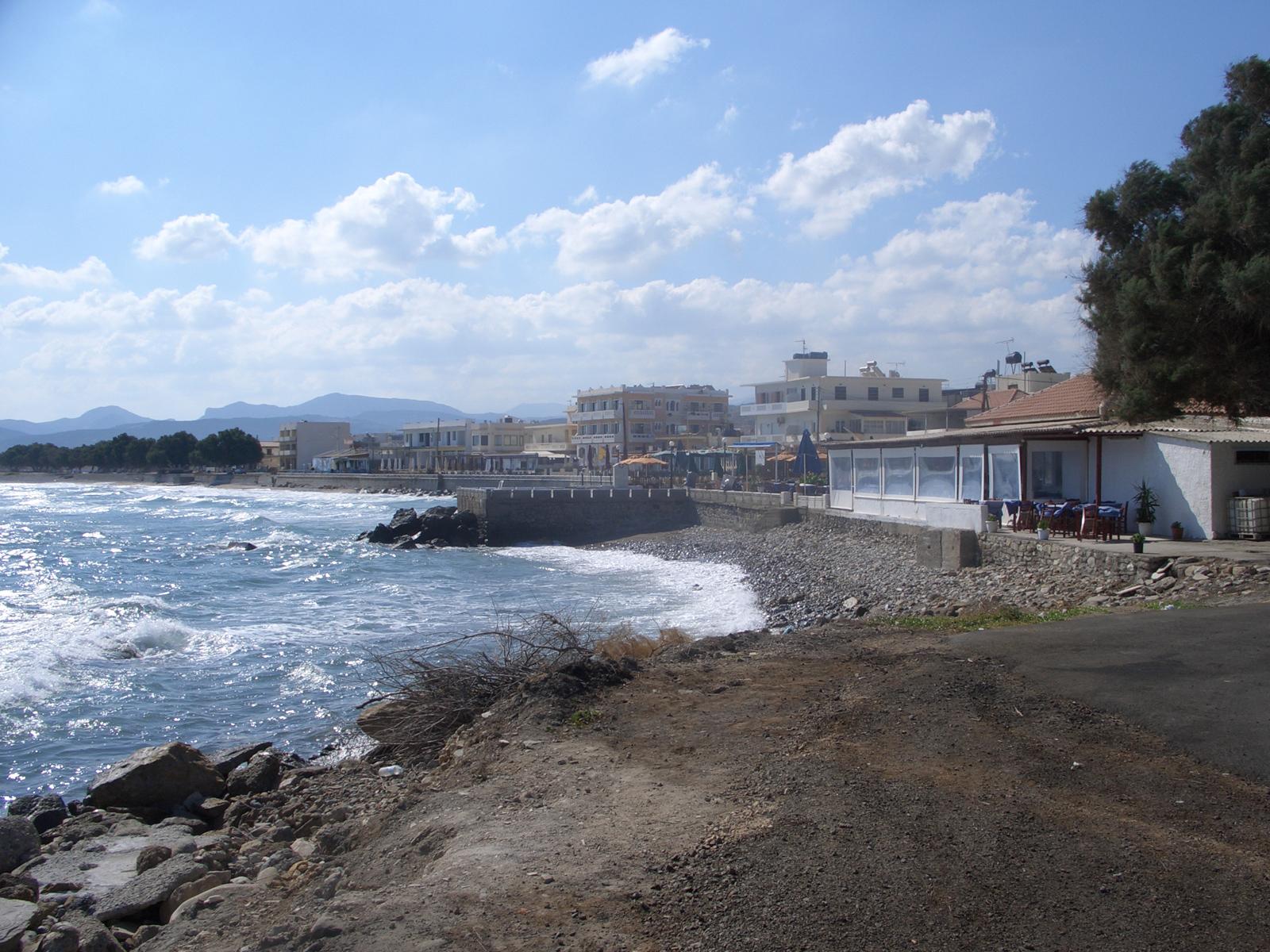
Kissamos, also known as Kasteli, is a town in western Crete where a museum visit, a fish lunch and a trip towards Gramvousa or Balos can belong to the same stay. Spend some time in the town itself instead of treating it only as a departure label.
Get to know the place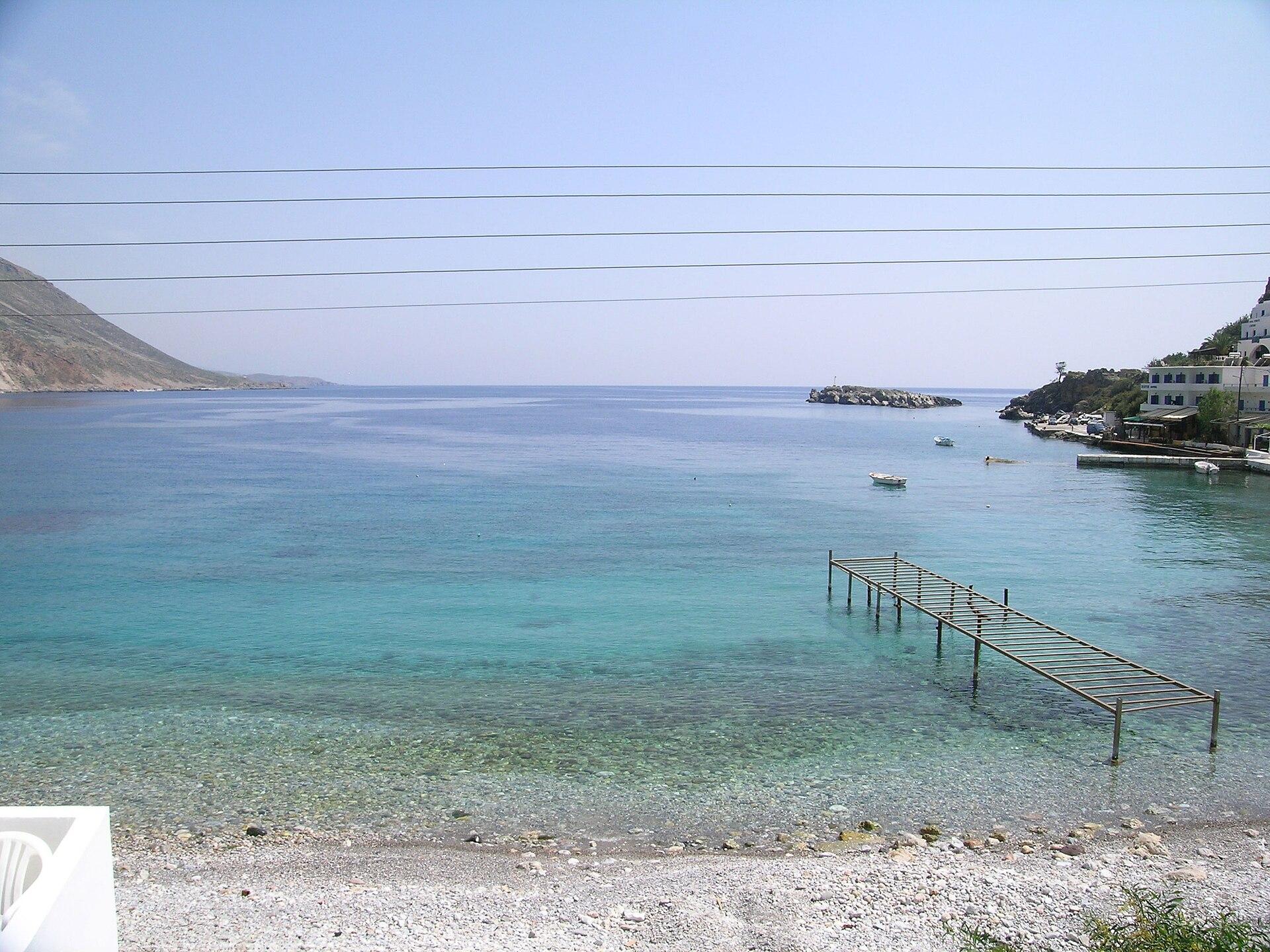
Loutro curves around a small bay beneath the south-coast slopes of Crete. White buildings, a pebble shore and waterfront rooms make it a place to slow down between swims and meals. Boats and footpaths provide its connection with the surrounding coast.
Get to know the place Crete area overview
Glyka Nera, or Sweet Water Beach, lies on Crete’s south coast between Hora Sfakion and Loutro. Pebbles, blue water and steep coastal land give it a very different setting from a beach beside a road. Its name refers to freshwater emerging through the shore.
Get to know the place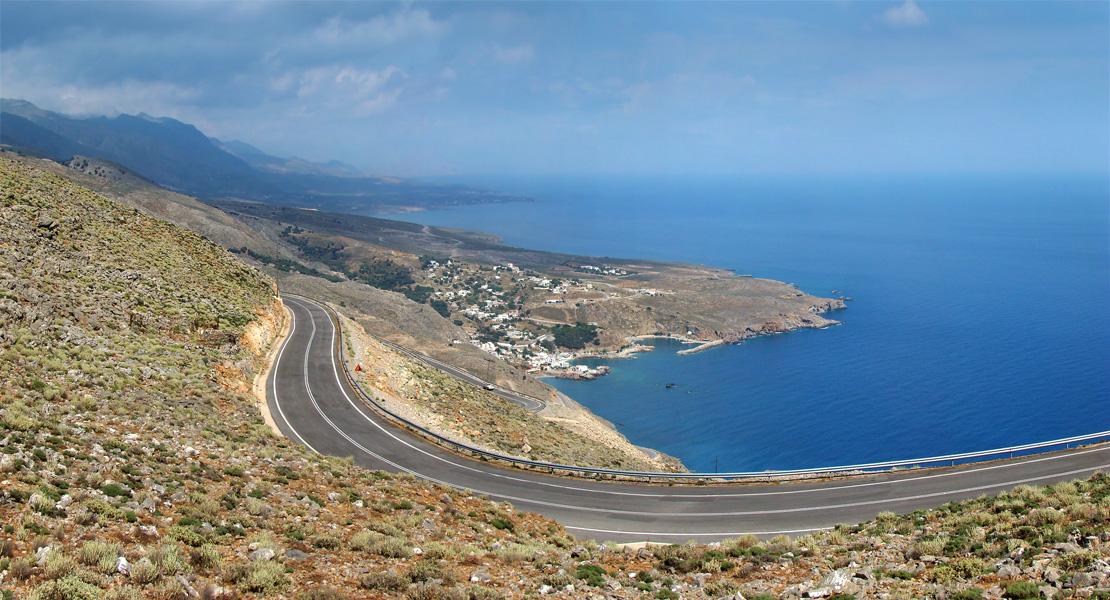
Hora Sfakion, usually called Sfakia in travel plans, is a road-accessible village and port on Crete’s south coast. The White Mountains rise behind it, while the harbour is a starting point for coastal journeys. Give the waterfront some time rather than treating it only as a transfer.
Get to know the place