
Mexico.
Mexico rewards choosing a region instead of attempting one continuous circuit. The desert-and-sea landscapes of Baja California Sur, the Caribbean islands off Quintana Roo and the museums and neighbourhoods of Mexico City offer very different trips. Give each its own travel time rather than treating a flight connection as a free extra day.
Photo credits1
- Depicts: Mexico
A little closer to Mexico
Geography, regions and practical details from the country guide. Go straight to a chapter, or browse every destination below.
Go straight to the destinationsMexico rewards choosing a region instead of attempting one continuous circuit. The desert-and-sea landscapes of Baja California Sur, the Caribbean islands off Quintana Roo and the museums and neighbourhoods of Mexico City offer very different trips. Give each its own travel time rather than treating a flight connection as a free extra day.
Ferry journeys also vary greatly. A passenger crossing to Cozumel is not the same kind of trip as a Gulf of California passage involving a vehicle. Establish your departure town, actual terminal and final accommodation before choosing the route; a destination name alone can hide a substantial transfer.
Geography
Baja California Sur occupies the southern part of the long western peninsula, with desert landscapes beside the Gulf of California, also called the Sea of Cortez. La Paz belongs to that setting. It is far from the Caribbean coast around Cancún and Playa del Carmen.
The Yucatán Peninsula includes more than the state of Yucatán. Mérida is that state's capital, while the Caribbean ferry gateways lie in Quintana Roo. Inland cities, mountain areas and coastal lowlands need different climate and transport assumptions; match the itinerary to a regional map.
Regions to explore
For Baja California Sur, consider La Paz for its coastal setting, Loreto for history and sea-based activities, or Todos Santos for a town-focused visit. In the southeast, use Mérida for Yucatecan culture and a separate Caribbean base when planning island crossings.
Mexico City's historic centre and Templo Mayor, Coyoacán and the canals of Xochimilco offer different ways to explore the capital. Oaxaca de Juárez, Monte Albán and the craft and food traditions of Oaxaca form another substantial cultural trip. These places deserve time beyond a transfer stop between beaches.
Languages
Spanish is widely used, alongside Mexico's Indigenous languages. The national linguistic framework recognises Spanish and Indigenous languages; describing the country as culturally or linguistically uniform misses this diversity. Learn useful Spanish for transport and meals, keep original place names in your notes and ask which language a guide offers before booking. Do not assume English service outside the business that confirmed it.
Money
The currency is the Mexican peso, MXN. A dollar sign can denote pesos, so ask whether a quote is in MXN or USD before comparing prices. Keep local cash for small transactions and confirm card acceptance for your actual transfer or accommodation. Check the final total and your bank's conversion terms rather than applying a remembered exchange rate.
Local culture
Regional cooking is a reason to travel. Oaxaca's traditions include tamales, tlayudas and varied mole preparations; Yucatán is associated with cochinita pibil and a different set of local flavours. Ingredients and preparation differ, so ask about meat, seafood, nuts or other ingredients relevant to your diet instead of assuming a dish is identical everywhere.
Markets, craft workshops and neighbourhood museums add context to major monuments. During festivals or community celebrations, ask before photographing people or entering ceremonial spaces. Plan around published local events rather than assuming every national celebration takes the same form in every town.
Practical information
Weather depends on region and elevation. Northern and highland winter conditions differ from tropical coasts, and summer rain can affect plans. Check coastal storm guidance and local conditions before a boat trip, and allow changes to an exposed beach or outdoor day.
Ultramar publishes passenger services for the Cozumel and Isla Mujeres area; verify the precise mainland terminal for your chosen route. Gulf of California services use separate ports, including Pichilingue near La Paz, with operator-specific passenger and vehicle arrangements. The Tren Maya now publishes passenger services in the southeast: check the station and onward transfer, not only the city name. Before booking an overland route, read current official travel advice for each state, especially Sinaloa, where guidance can distinguish specific urban areas and access routes. Confirm entry and vehicle requirements separately when applicable.
Good to know before you go
Are La Paz and Cancún nearby?
No. La Paz is on the Baja California peninsula, while Cancún is on the Caribbean side of southeastern Mexico. Plan them as separate regional journeys.
Does a Cozumel ticket depart from any Cancún terminal?
No. Check the route and mainland departure point. The usual passenger connection listed here is Playa del Carmen–Cozumel.
Is Yucatán the name of the whole Caribbean ferry area?
The peninsula is broader than the state of Yucatán. Cancún and Playa del Carmen are in Quintana Roo.
Are prices marked with a dollar sign always US dollars?
No. The symbol also denotes Mexican pesos. Ask for MXN or USD explicitly before agreeing a price.
Sources & references
These references support the guide. Confirm opening hours, access and travel services before you go.
- 01Visit Mexico: Baja California Sur
- 02Mexico Ministry of Tourism: Yucatán
- 03Visit Mexico: Mexico City
- 04Visit Mexico: Oaxaca
- 05Mexico Cultural Information System: Oaxaca food
- 06Mexico Ministry of Culture: national languages
- 07Banco de México: currency
- 08Visit Mexico: climate
- 09Ultramar: routes and terminals
- 10TMC: public routes
- 11TMC: Pichilingue location
- 12Tren Maya: current passenger network
- 13Government of Canada: Mexico regional travel advice
Find your place in Mexico
Open the guides, get a feel for the differences between places, and find the ones that fit your plans.

Cancún
Cancún combines the purpose-built Hotel Zone with a downtown serving the everyday city. The long resort strip sits between Caribbean beaches and Nichupté Lagoon, so your address makes a real difference: a sea-facing resort, a lagoon-side property and a central hotel provide different daily experiences.
Read the field guide
Cozumel
Cozumel is more than a cruise call: the island’s interior includes mangroves and natural landscapes, while the surrounding reef defines its outdoor appeal. San Miguel is the practical town base, with the passenger ferry from Playa del Carmen, meals and everyday services along and behind its waterfront.
Read the field guide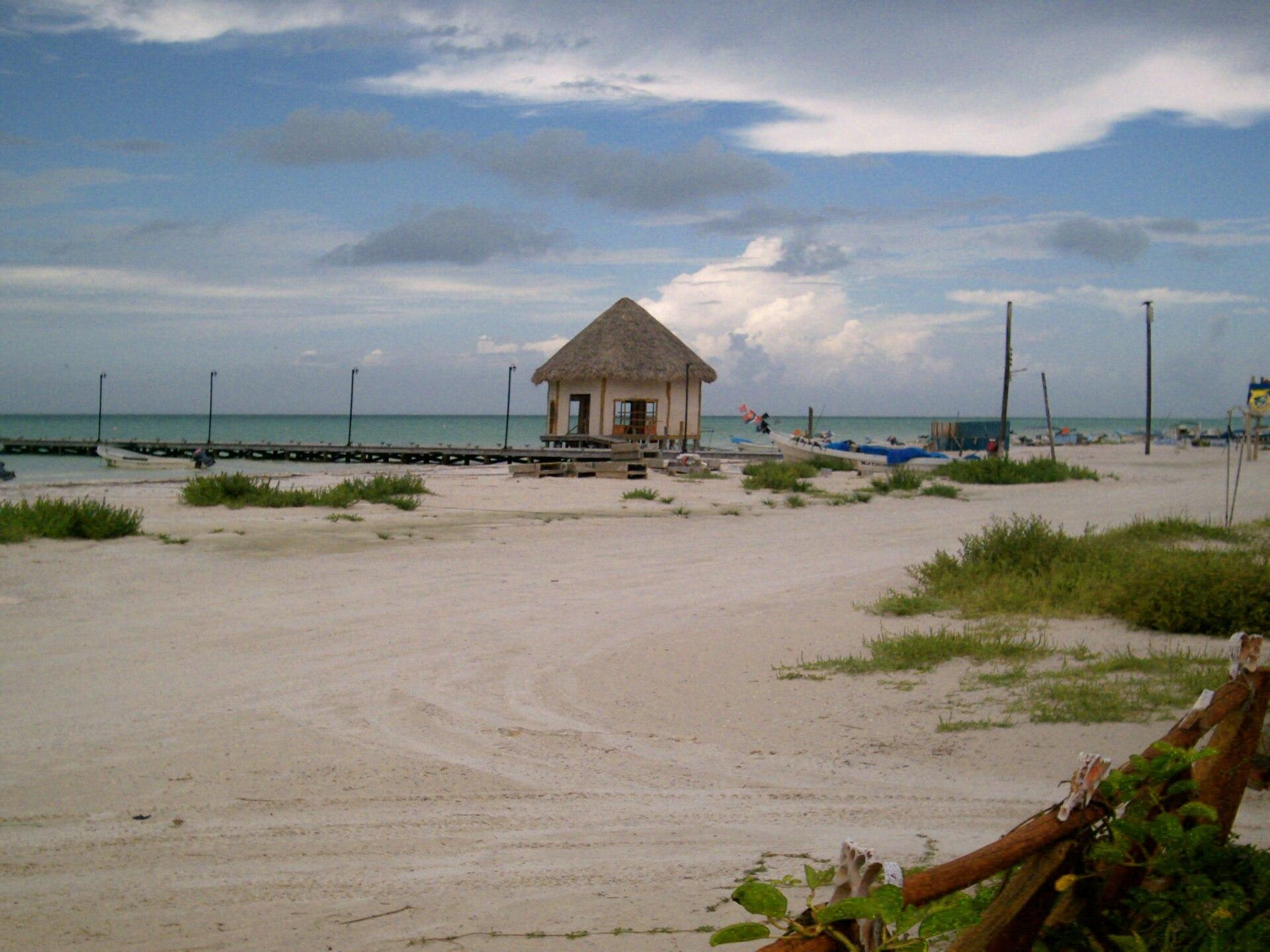
Holbox
Holbox sits within the Yum Balam protected landscape on the northern coast of Quintana Roo. Sandy streets, painted façades, village murals and a shallow coastal setting give it a different rhythm from Cancún’s resort strip. Its appeal is the combination of fishing-island life, beach time and nature outings.
Read the field guide
Isla Mujeres
Isla Mujeres sits off Cancún with a compact northern centre, white-sand Playa Norte and a rocky southern tip at Punta Sur. It works as a beach day from the mainland or a slower overnight stay, with the latter allowing more time beyond the ferry waterfront.
Read the field guide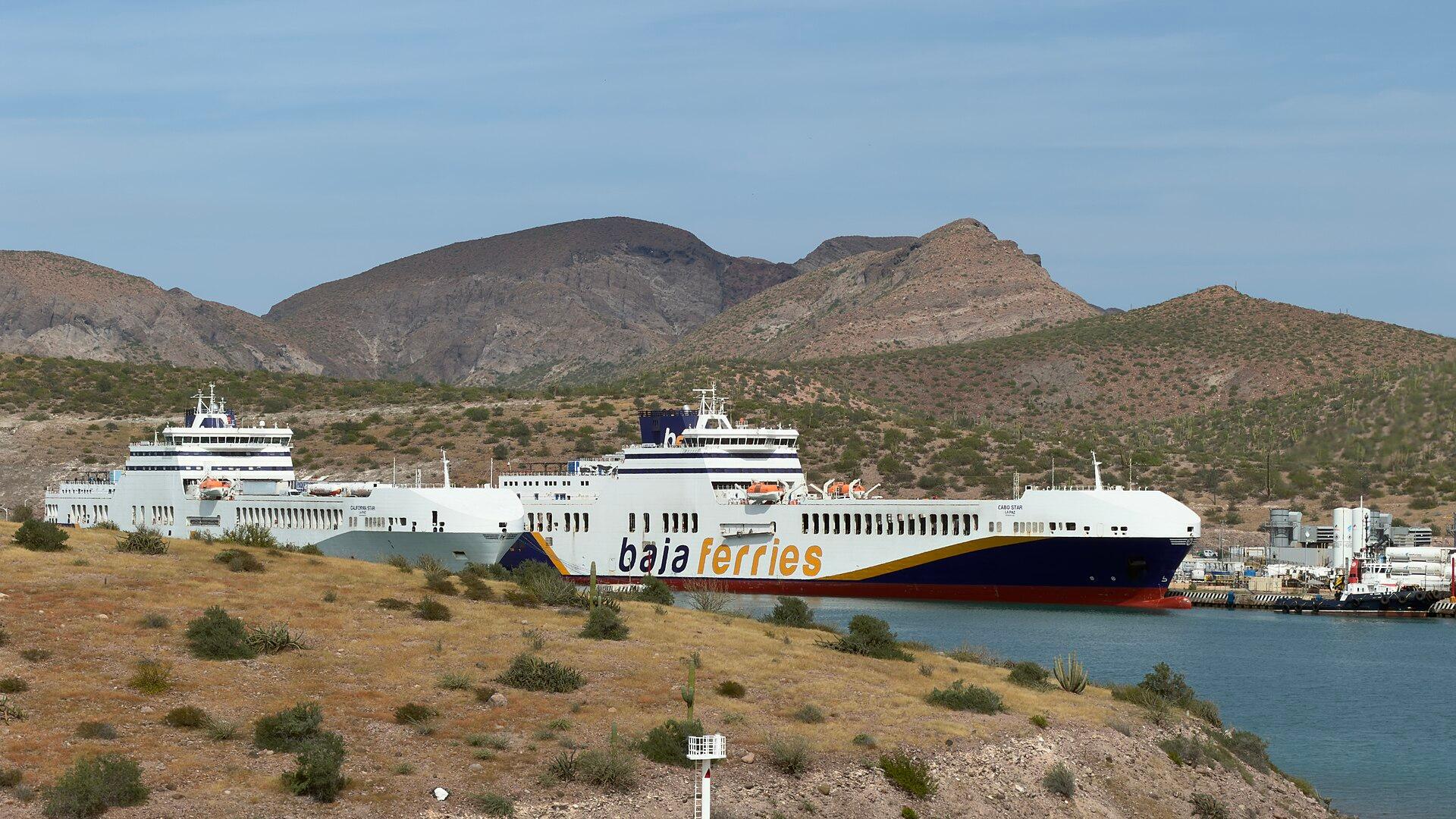
La Paz, Baja California Sur
La Paz is the capital of Baja California Sur, on the Gulf of California side of the peninsula. Its appeal is the combination of a walkable waterfront, city culture and the contrast between desert landscapes and the Sea of Cortez. It rewards time ashore as well as time on the water.
Read the field guide Topolobampo waterfront
Los Mochis–Topolobampo
Los Mochis and Topolobampo form a connected travel area, but they are not the same place. Los Mochis is the inland city with urban services and the Chepe rail gateway; Topolobampo is the coastal port and bay. The airport lies on the road between the city and port, so every arrival needs its own onward transfer.
Read the field guide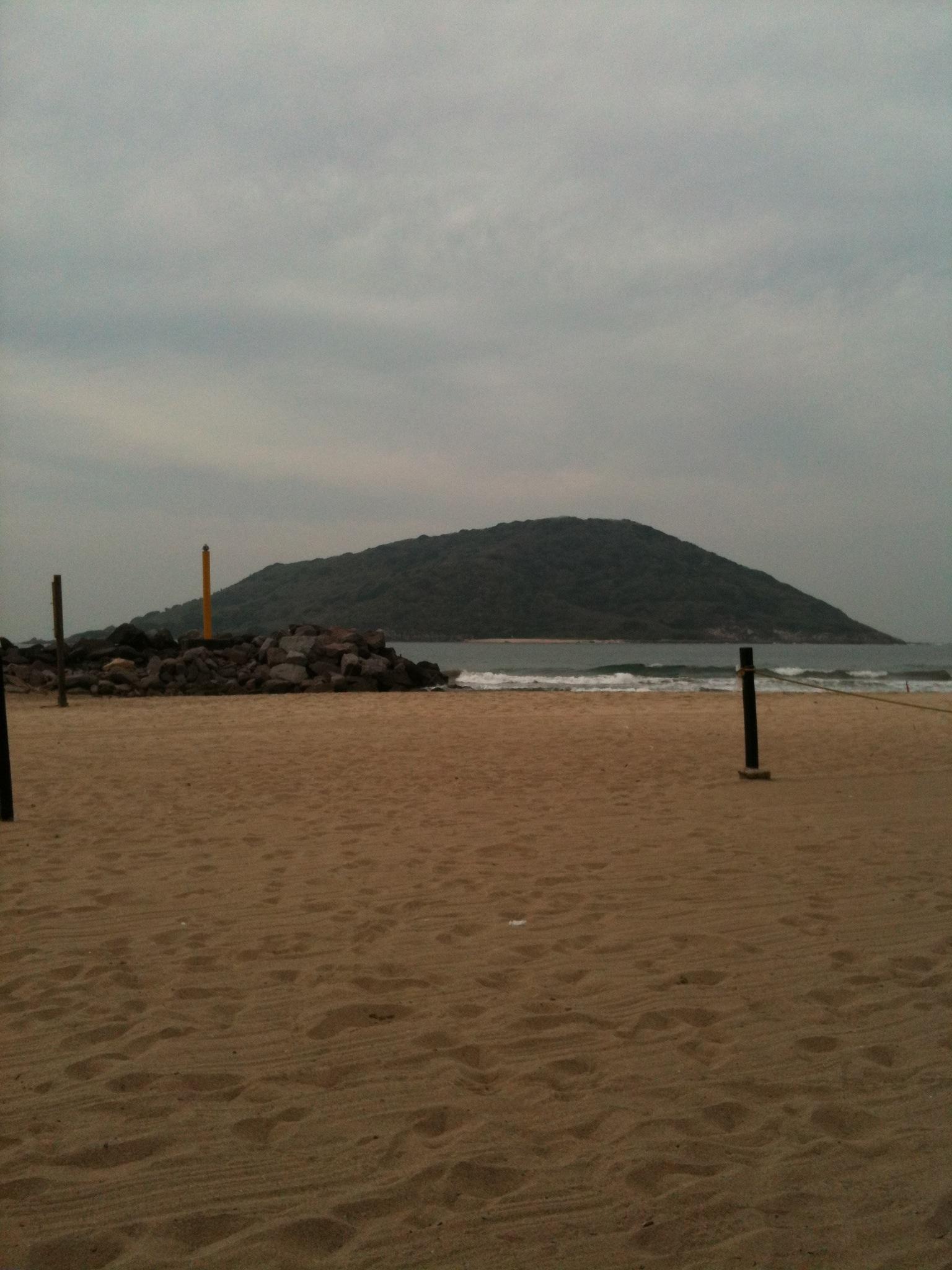
Mazatlán
Mazatlán is a Pacific port city with a historic centre, a long waterfront and a strong seafood identity. Its old streets and plazas give a city stay a different character from a holiday spent entirely in a coastal resort. The Malecón links seafront views with public monuments and places to stop for sunset.
Read the field guide
Playa del Carmen
Playa del Carmen is a mainland Riviera Maya city where a walkable shopping-and-dining centre meets a busy Caribbean beachfront. Its former fishing-village setting has grown into a base for hotels, nightlife and trips into the surrounding region. Quinta Avenida, the pedestrian Fifth Avenue, runs parallel to the sea.
Read the field guidePhoto credits8
- Depicts: Cancún
- Depicts: Cozumel
- Depicts: HolboxIsla Hol-Box. Author: Dr Marin. Credit: Own work. License: Public domain (https://creativecommons.org/publicdomain/mark/1.0/). Source: https://commons.wikimedia.org/wiki/File:Isla_Hol-Box.jpeg
- Depicts: Isla Mujeres
- Depicts: La Paz, Baja California SurBajaFerries. Author: DJ Cane. Credit: Own work. License: CC BY-SA 4.0 (https://creativecommons.org/licenses/by-sa/4.0). Source: https://commons.wikimedia.org/wiki/File:BajaFerries.jpgCropped to fit the display.
- Area image: Topolobampo — Topolobampo waterfrontWatching the boats in Topolobampo, Sinaloa, Mexico. Author: Daniel Ramirez. Credit: https://www.flickr.com/photos/danramarch/49541899217/. License: CC BY 2.0 (https://creativecommons.org/licenses/by/2.0). Source: https://commons.wikimedia.org/wiki/File:Watching_the_boats_in_Topolobampo,_Sinaloa,_Mexico.jpgCropped to fit the display.
- Depicts: MazatlánPlaya de Mazatlán - panoramio. Author: Lynx Burgos. Credit: https://web.archive.org/web/20161024122112/http://www.panoramio.com/photo/86846079. License: CC BY-SA 3.0 (https://creativecommons.org/licenses/by-sa/3.0). Source: https://commons.wikimedia.org/wiki/File:Playa_de_Mazatl%C3%A1n_-_panoramio.jpgCropped to fit the display.
- Depicts: Playa del Carmen
