Saint-Barthélemy.
Saint-Barthélemy is a French overseas collectivity in the Caribbean, with a landscape of small bays, hills and coastal neighbourhoods. Gustavia provides a harbour-town focus, while Saint-Jean and other parts of the island offer different settings for a stay. Its relationship with France is part of its political identity; the journey is still to this particular Caribbean island.
Photo credits1
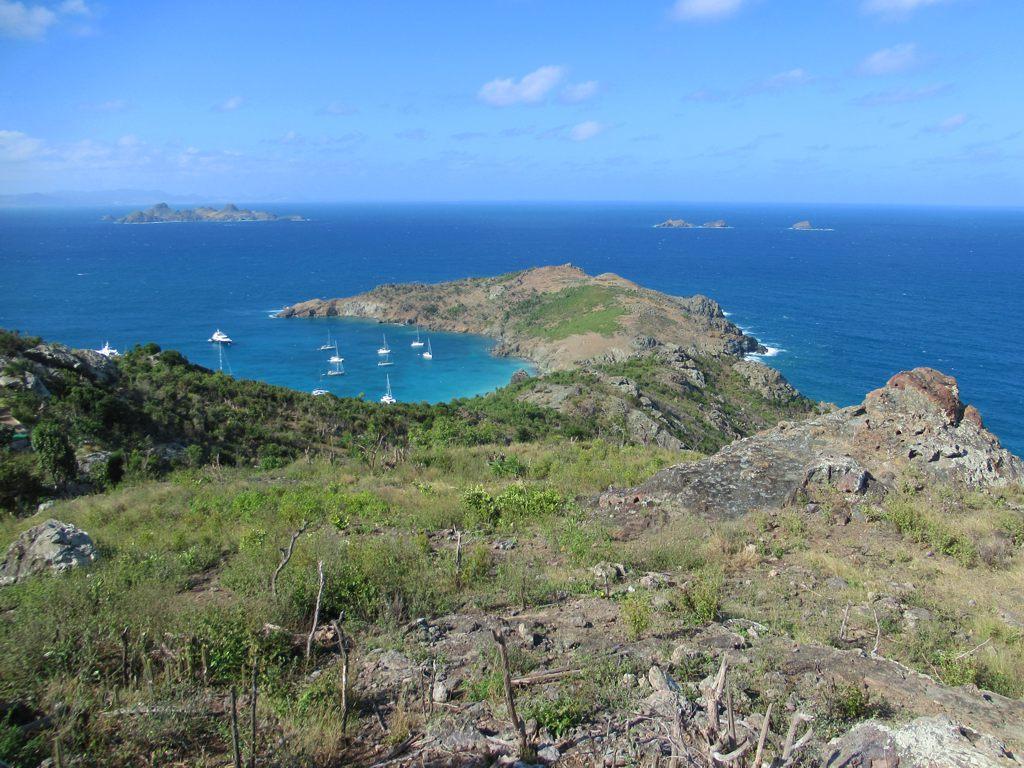
- Depicts: Saint-BarthélemyGrande Roche Viewpoint (32623174957). Author: David Stanley from Nanaimo, Canada. Credit: Grande Roche Viewpoint. License: CC BY 2.0 (https://creativecommons.org/licenses/by/2.0). Source: https://commons.wikimedia.org/wiki/File:Grande_Roche_Viewpoint_(32623174957).jpgCropped to fit the display.
A little closer to Saint-Barthélemy
Geography, regions and practical details from the country guide. Go straight to a chapter, or browse every destination below.
Go straight to the destinationsSaint-Barthélemy is a French overseas collectivity in the Caribbean, with a landscape of small bays, hills and coastal neighbourhoods. Gustavia provides a harbour-town focus, while Saint-Jean and other parts of the island offer different settings for a stay. Its relationship with France is part of its political identity; the journey is still to this particular Caribbean island.
Choose a few areas to explore well instead of treating the coastline as one continuous resort. A harbour arrival, a flight into the island airport and a drive to a beach involve different final arrangements. Keep those distinctions in view when matching accommodation to your trip.
Landscape and identity
This is the island of Saint-Barthélemy in the Lesser Antilles. It is a French overseas collectivity with its own territorial institutions and a French state administration. The island’s bays and hillside areas create different local settings, while Gustavia is its capital and harbour town. Plan around the actual geography: Saint-Barthélemy is a separate island from neighbouring Saint Martin/Sint Maarten.
Places to explore
Gustavia suits a visit built around the harbour, narrow streets and historic buildings. Saint-Jean offers another coastal base, while Grande Saline and Colombier are separate places to explore. Choose areas by their actual access and the kind of day you want. A stay described broadly as Saint-Barthélemy may require a separate journey to the ferry port, airport or chosen beach.
Language
French is useful for local planning and place names. The territorial tourism committee publishes visitor information in French and English, so keep the original names beside any translation when checking a booking. Confirm the language of a particular activity or transfer directly. Short written addresses and the exact destination name are more useful than relying on a broad reference to the island.
Money
The euro is the currency used in Saint-Barthélemy. Check the currency and final amount shown on a reservation, and distinguish accommodation, a regional crossing and the local transfer if they are booked separately. A listed currency does not confirm what every business accepts, a particular exchange rate or the inclusion of extras. Read the actual payment and cancellation conditions for each purchase.
Culture and local food
Gustavia’s maritime atmosphere carries both French and Swedish historical influences. The tourism committee also describes local family celebrations, braiding traditions and island foods such as Saint-Barth pancakes and sugared sweets. These offer a way to look beyond beaches without assuming a cultural event is taking place during your stay. Explore heritage with respect for working buildings, private homes and religious spaces.
Planning your visit
Match your confirmed journey to either the island airport or the ferry harbour at Gustavia, then arrange the final transfer. A connection through Saint Martin or Sint Maarten involves a separate place and potentially another transport leg. Check entry and transit requirements with the relevant authorities for your documents and route. Consult the forecast and dated operator information, and confirm access before building a day around a boat trip, path or heritage interior.
Good to know before you go
What is Saint-Barthélemy’s political status?
It is a French overseas collectivity in the Caribbean. This geographic overview does not present it as an independent state.
Is Gustavia the same place as the island airport?
No. Gustavia is the harbour town; the airport is a separate arrival location. Match your transfer to the actual booking.
What currency is listed for the island?
The euro is used on the island. Check the currency, total and conditions of the specific reservation.
Does French affiliation settle every document or transit question?
Check the requirements for Saint-Barthélemy and each connection with the relevant authorities. Political affiliation alone is not an individual entry or transit determination.
Sources & references
These references support the guide. Confirm opening hours, access and travel services before you go.
- 01French prefecture — Saint-Barthélemy overseas collectivity and French state administration
- 02Territorial Tourism Committee — island geography, heritage and cultural traditions
- 03Territorial Tourism Committee — Gustavia harbour and French/Swedish heritage
- 04Territorial Tourism Committee — Saint-Jean setting
- 05Territorial Tourism Committee — Grande Saline coastal setting
- 06Territorial Tourism Committee — Colombier geography
- 07Territorial Tourism Committee — island airport and Gustavia ferry arrival are distinct
- 08SIX ISO4217 maintenance agency — exact SAINT BARTHÉLEMY Euro entity
Find your place in Saint-Barthélemy
Open the guides, get a feel for the differences between places, and find the ones that fit your plans.

Photo credits1
- Depicts: Saint-BarthélemySaint Barth - Vue panoramique - Octobre 2009. Author: Starus. Credit: Own work. License: CC BY-SA 3.0 (https://creativecommons.org/licenses/by-sa/3.0). Source: https://commons.wikimedia.org/wiki/File:Saint_Barth_-_Vue_panoramique_-_Octobre_2009.jpgCropped to fit the display.
