
Ha Tien.
Ha Tien occupies an unusual corner of the Mekong Delta, where limestone hills meet the Giang Thanh River and the Gulf of Thailand. Its market streets, temples and waterfront make it worth a stay even when the original reason for coming is a ferry to Phu Quoc.
Photo credits1
- Depicts: Ha TienQuang truong ha tien. Author: Trương Thành Ý. Credit: Own work. License: CC BY-SA 4.0 (https://creativecommons.org/licenses/by-sa/4.0). Source: https://commons.wikimedia.org/wiki/File:Quang_truong_ha_tien.jpgCropped to fit the display.
Make your way to Ha Tien
Choose a tool and your dates to check the options for your trip.
More ways to explore
- Country
- Vietnam
- Currency
- VND
- Time zone
- Asia/Ho Chi Minh
Ha Tien occupies an unusual corner of the Mekong Delta, where limestone hills meet the Giang Thanh River and the Gulf of Thailand. Its market streets, temples and waterfront make it worth a stay even when the original reason for coming is a ferry to Phu Quoc.
Plan a town day and an excursion beyond it: walk between the market and Mac family monuments, then take a separate trip to the limestone caves or Mui Nai coast. The mix of Vietnamese, Khmer and Chinese cultural influences gives this border town a character distinct from the delta’s river cities.
When to go
The drier months, broadly November to April, are usually easier for walking and coastal excursions. Even then, midday heat makes an early market visit and late-afternoon waterfront walk more comfortable. During wetter weather, keep cave steps and road conditions in mind, and check the ferry operator’s notice separately from the land forecast.
Getting there
Ha Tien is reached overland from other delta towns and Ho Chi Minh City, or by ferry from Phu Quoc. Phu Quoc Express identifies its island connection with Bai Vong port. Passenger boats and vehicle ferries have different booking arrangements, so match the company and exact boarding point to your ticket.
Getting around
Walk the compact centre in shorter shaded stages, then use a taxi or arranged car for Thach Dong, Da Dung and Mui Nai. Ask your driver to wait or agree the return in advance at outlying sights. Leave enough time for a harbour transfer even if your hotel advertises itself as central.
Local food
Ha Tien’s markets are a good introduction to delta cooking: fish noodle soup, bun mam with fermented-fish flavour, rice dishes and fresh spring rolls. Riverfront stalls also serve cooked seafood. Look for com chay when seeking vegetarian food, and explain whether fish sauce or seafood stock is unsuitable rather than relying only on a dish’s appearance.
What to see
The Mac Cuu temple and family tombs at Binh San connect Ha Tien with the trading community that shaped its history. Thach Dong is a limestone cave sanctuary outside the centre; Da Dung offers another hill-and-cave excursion. Wear shoes that grip steps and stone, and keep shoulders covered in worship spaces.
Towns and neighbourhoods
The market and riverfront form an easy starting point for exploring the central street grid. Dong Ho is the broader brackish-water landscape beyond the town’s river setting, while To Chau rises on the opposite side. Mui Nai is a coastal excursion west of the centre, not the name of the ferry terminal.
Coast and outdoors
Mui Nai offers a developed seaside setting for a beach break and seafood lunch. Around Dong Ho, the interest is the waterside scenery and wetland setting rather than resort swimming. Combine one outdoor area with the town instead of rushing between caves, coast and a ferry on the same short afternoon.
Where to stay
The central riverfront and market-side streets suit an overnight ferry stop with dining nearby. A quieter room away from the busiest market frontage helps if you need an early start. Coastal accommodation around Mui Nai suits a longer beach-led stay but adds a road transfer for town visits and departures.
Useful before you go
If continuing to Cambodia, check the precise land crossing and the entry permission accepted there for your passport before buying transport. An island ferry ticket does not include immigration arrangements. Carry local cash for markets, ask before photographing worshippers, and distinguish an operator’s sales office from its passenger boarding pier.
Good to know before you go
What should I see?
The Mac Cuu temple and family tombs at Binh San connect Ha Tien with the trading community that shaped its history. Thach Dong is a limestone cave sanctuary outside the centre; Da Dung offers another hill-and-cave excursion. Wear shoes that grip steps and stone, and keep shoulders covered in worship spaces.
How do I arrive?
Ha Tien is reached overland from other delta towns and Ho Chi Minh City, or by ferry from Phu Quoc. Phu Quoc Express identifies its island connection with Bai Vong port. Passenger boats and vehicle ferries have different booking arrangements, so match the company and exact boarding point to your ticket.
Where should I stay?
The central riverfront and market-side streets suit an overnight ferry stop with dining nearby. A quieter room away from the busiest market frontage helps if you need an early start. Coastal accommodation around Mui Nai suits a longer beach-led stay but adds a road transfer for town visits and departures.
What should I eat?
Ha Tien’s markets are a good introduction to delta cooking: fish noodle soup, bun mam with fermented-fish flavour, rice dishes and fresh spring rolls. Riverfront stalls also serve cooked seafood. Look for com chay when seeking vegetarian food, and explain whether fish sauce or seafood stock is unsuitable rather than relying only on a dish’s appearance.
Sources & references
These references support the guide. Confirm opening hours, access and travel services before you go.
Where could the journey go next?
More guides in Vietnam. Compare the places and check actual connections before combining stops.

Phu Quoc
Phu Quoc pairs broad beaches with fishing villages, pepper gardens and a heavily forested northern interior. It is a substantial island off Vietnam’s southwest coast, with resort areas spread far apart: choosing the right base matters as much as deciding which beach to visit.
Get to know the place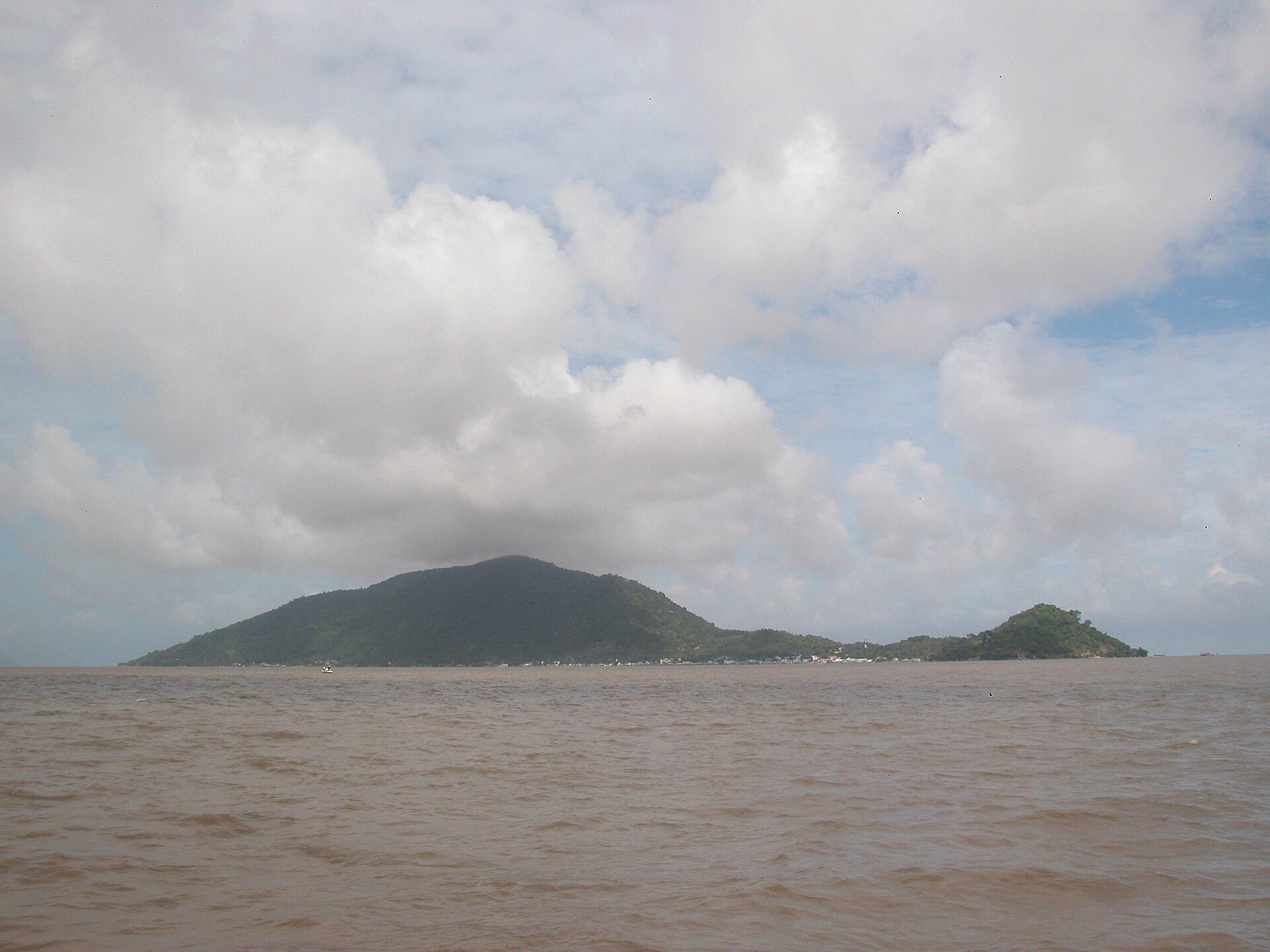 Kiên Hải island area overview
Hon Tre (Kien Hai)
Hòn Tre in Kiên Hải is a compact Gulf island reached from Rạch Giá, with a fishing settlement, rocky coastal scenery and hills planted with fruit trees and pepper. Its appeal lies in small-scale exploration: the harbour, local shrines, shaded coves and viewpoints above the sea.
Get to know the place Mainland gateway context — Tam Bảo temple, Rạch Giá
Lai Son / Hon Son Island
Hon Son rises steeply from the Gulf of Thailand between the mainland gateway of Rach Gia and the Nam Du archipelago. Also called Lai Son, it combines a working fishing settlement, palm-fringed coves and a mountainous interior that gives even a short coastal journey a changing view.
Get to know the place
Chau Doc
Chau Doc is a river town in the Mekong Delta where market life, fish farming and religious traditions meet near Cambodia. The waterfront is a useful first introduction, but the surrounding area adds Sam Mountain's temples, Cham communities and the flooded woodland of Tra Su.
Get to know the placePhoto credits4
- Depicts: Phu Quoc
- Area image: Kiên Hải island area — Kiên Hải island area overviewHòn Tre. Author: Nguyễn Thanh Quang. Credit: Own work. License: CC BY-SA 3.0 (https://creativecommons.org/licenses/by-sa/3.0). Source: https://commons.wikimedia.org/wiki/File:H%C3%B2n_Tre.JPGCropped to fit the display.
- Area image: Tam Bảo temple in Rạch Giá, the separate mainland gateway for Hon SonChùa Sắc Tứ Tam Bảo RG. Author: Bùi Thụy Đào Nguyên. Credit: Own work. License: CC BY-SA 4.0 (https://creativecommons.org/licenses/by-sa/4.0). Source: https://commons.wikimedia.org/wiki/File:Ch%C3%B9a_S%E1%BA%AFc_T%E1%BB%A9_Tam_B%E1%BA%A3o_RG.jpgCropped to fit the display.
- Depicts: Chau DocVietnam, Chau Doc, City streets. Author: Vyacheslav Argenberg. Credit: Own work. License: CC BY 4.0 (https://creativecommons.org/licenses/by/4.0). Source: https://commons.wikimedia.org/wiki/File:Vietnam,_Chau_Doc,_City_streets.jpgCropped to fit the display.
