
French Polynesia.
French Polynesia combines mountainous islands, low coral atolls and communities separated by long stretches of the South Pacific. Tahiti is the main international gateway, and Papeete its urban centre, but a market morning there feels very different from a guesthouse stay on Maupiti or a quiet lagoon on Taha'a.
Photo credits1
- Depicts: French Polynesia
A little closer to French Polynesia
Geography, regions and practical details from the country guide. Go straight to a chapter, or browse every destination below.
Go straight to the destinationsFrench Polynesia combines mountainous islands, low coral atolls and communities separated by long stretches of the South Pacific. Tahiti is the main international gateway, and Papeete its urban centre, but a market morning there feels very different from a guesthouse stay on Maupiti or a quiet lagoon on Taha'a.
Build a journey around a few compatible islands, rather than trying to fit every famous name into one circuit. Airport locations, ferry days and the boat from a motu to the main village can shape the experience as much as the choice of accommodation. Leave time for local meals, cultural visits and changes in the weather.
Islands across the South Pacific
French Polynesia is an autonomous French overseas collectivity with five archipelagos. The Society Islands combine volcanic landscapes and lagoons; the Tuamotu are predominantly low atolls. The Marquesas, Austral and Gambier groups lie much farther from Tahiti. A map showing them together can hide substantial distances and different local environments.
Choose a group before choosing a hotel
The Society Islands include Tahiti, Moorea, Huahine, Raiatea, Taha'a, Bora Bora and Maupiti. They suit a first circuit combining culture, mountains and lagoon time. The Tuamotu offer a contrasting atoll landscape. The Marquesas have distinctive cultural traditions and dramatic terrain; the Austral Islands are known for weaving, while the Gambier combine pearl cultivation and historic church architecture.
French and Polynesian languages
French is the official language. Tahitian is widely used, especially in the Society Islands, while other archipelagos have their own languages, including Marquesan, Paumotu and Mangarevan. A greeting such as 'Ia ora na and a thank-you, māuruuru, are useful beginnings. Ask your hosts which local names and pronunciation they use rather than treating every island's culture as identical.
Pacific francs and small-island payments
The currency is the Pacific franc, XPF, also called CFP. Cards are common in larger hotels and businesses on the main islands, but markets, small guesthouses and remote services may need cash. Arrange funds before leaving a larger centre and ask about payment for meals, boat transfers and excursions when reserving accommodation.
Living traditions and respectful visits
Dance, music, canoe culture, tattoos and skilled craftwork are part of contemporary island life. Tifaifai textiles, woven objects and carved pieces reflect different local traditions. Visit marae without moving stones or entering restricted areas, ask before photographing people and respect Sunday worship. A family guesthouse can offer valuable everyday context alongside organised cultural activities.
Fish, coconut and shared meals
Poisson cru brings together fish, lime and coconut milk. Fafa uses taro leaves, while po'e is a fruit-based pudding served with coconut cream. Tropical fruit, breadfruit and locally caught fish feature alongside French and Chinese influences. Guesthouse meal plans are especially useful where dining choices are few; discuss allergies and included meals before arrival.
Match air, ferry and local boats
Tahiti-Faa'a is the international gateway. Air Tahiti serves islands across the five archipelagos, with routes that can involve stops. Ferries connect Tahiti and Moorea, and Apetahi Express serves selected Society Islands including Maupiti in its current network. This does not establish a daily ferry between every pair. Airport-motu shuttles and hotel boats are separate local arrangements.
Plan for the island you will actually visit
In the Society Islands, May–October is generally drier and November–April warmer and wetter; other archipelagos have their own patterns. Check the destination forecast, current operator programme and your actual arrival date. Ask about drinking water, meals and connectivity at remote accommodation. Leave a buffer before international travel and use authorised marine-wildlife operators who explain current observation rules.
Good to know before you go
Is Tahiti the same as French Polynesia?
Tahiti is one island and the main international gateway. French Polynesia contains five archipelagos with very different landscapes and distances.
Can I travel between all islands by ferry?
No. Check the specific operator network and dates; many journeys need a flight, and some airports or accommodations require a separate local boat.
What currency should I carry?
Pacific francs, XPF or CFP. Ask smaller guesthouses and boat providers about cash before leaving a larger island.
Which islands suit a first trip?
A limited Society Islands circuit can combine Tahiti or Moorea with one or two other islands. Choose the actual flight and ferry connections before fixing every hotel night.
Sources & references
These references support the guide. Confirm opening hours, access and travel services before you go.
- 01French government — Polynesia geography and status
- 02polynesian arts and crafts
- 03gambier islands
- 04Official autonomy law — languages
- 05tahitian culture
- 06exchange currency
- 07pdf
- 08polynesian cuisine
- 09cooking raw fish with coconut milk
- 10Air Tahiti — island network
- 11Tuatea — current ferry network
- 12www.airtahiti.pf
- 13when to visit the islands of tahiti
- 14actualites
Find your place in French Polynesia
Open the guides, get a feel for the differences between places, and find the ones that fit your plans.

Bora Bora
Bora Bora is a volcanic main island surrounded by a lagoon and a ring of small motu. Mount Otemanu gives the landscape its dramatic outline, but where you stay determines your daily experience: a main-island base and an offshore resort have very different transport needs.
Read the field guide
Huahine
Huahine combines two volcanic islands, Huahine Nui and Huahine Iti, linked by a bridge. Villages, cultivation, archaeological sites and lagoon scenery give a stay a different rhythm from a resort-only holiday. Allow time to move between the two halves and stop where a local guide can explain the landscape.
Read the field guide Society Islands overview — Raiatea
Maupiti
Maupiti is a small mountainous Society Island with a shallow lagoon, surrounding motu and a village-centred pace. Guesthouse hospitality, cycling, lagoon outings and the view from the hills shape a visit more than large resort facilities. Book accommodation and transport together so the small scale remains a pleasure.
Read the field guide
Moorea
Moorea rises across the water from Tahiti, with steep green ridges above a lagoon and two deeply indented northern bays. It suits a stay combining short coastal outings with time inland: the view from the Belvedere makes the relationship between Cook's Bay, Opunohu Bay and Mount Rotui especially clear.
Read the field guide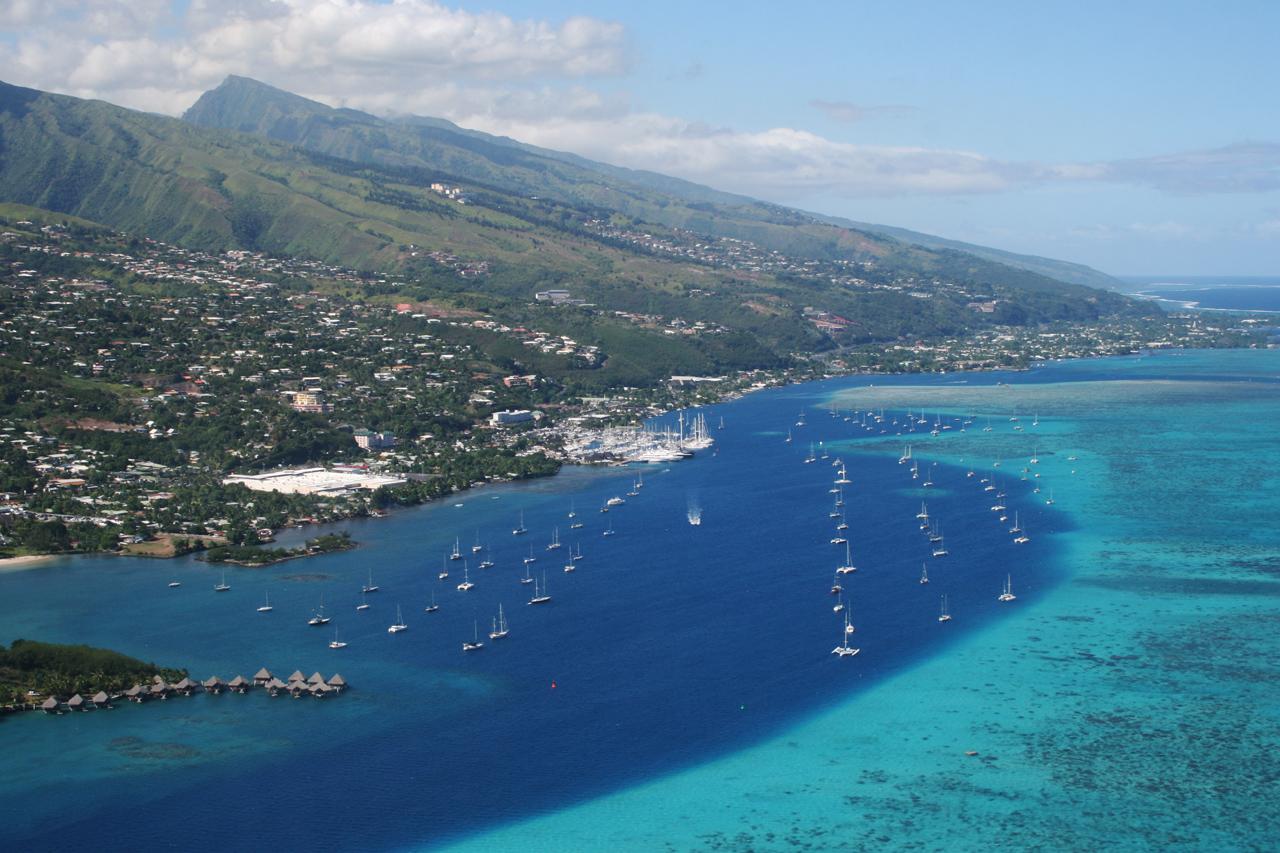
Papeete
Papeete is French Polynesia's capital on Tahiti, with a working harbour, a busy market and a waterfront used by residents as well as travellers. It deserves time beyond a transfer: start among fruit and flower stalls, explore the compact centre and finish with a walk through the Paofai gardens.
Read the field guide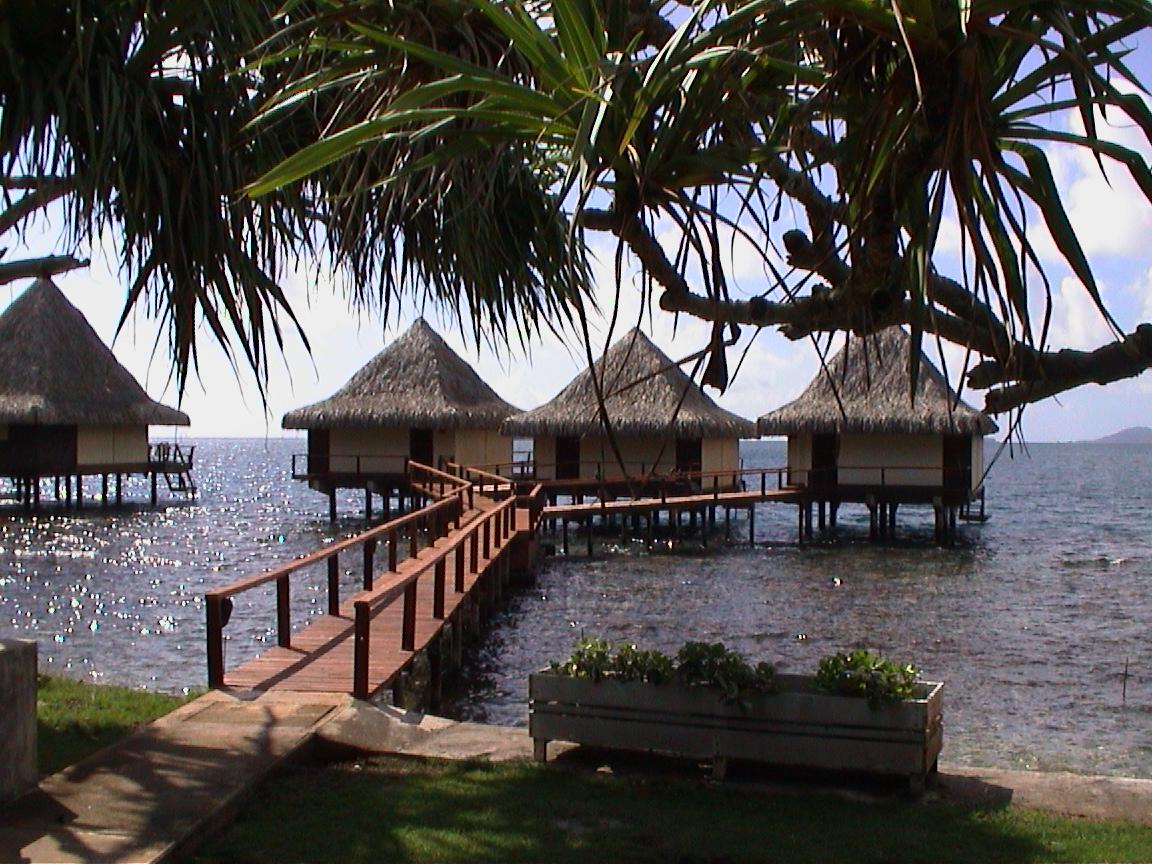
Raiatea
Raiatea is a mountainous Leeward Island with a deep connection to Polynesian voyaging and ceremonial life. Taputapuātea, its UNESCO-listed cultural landscape, is a reason to spend time here in its own right, alongside river outings, local markets and mountain scenery.
Read the field guide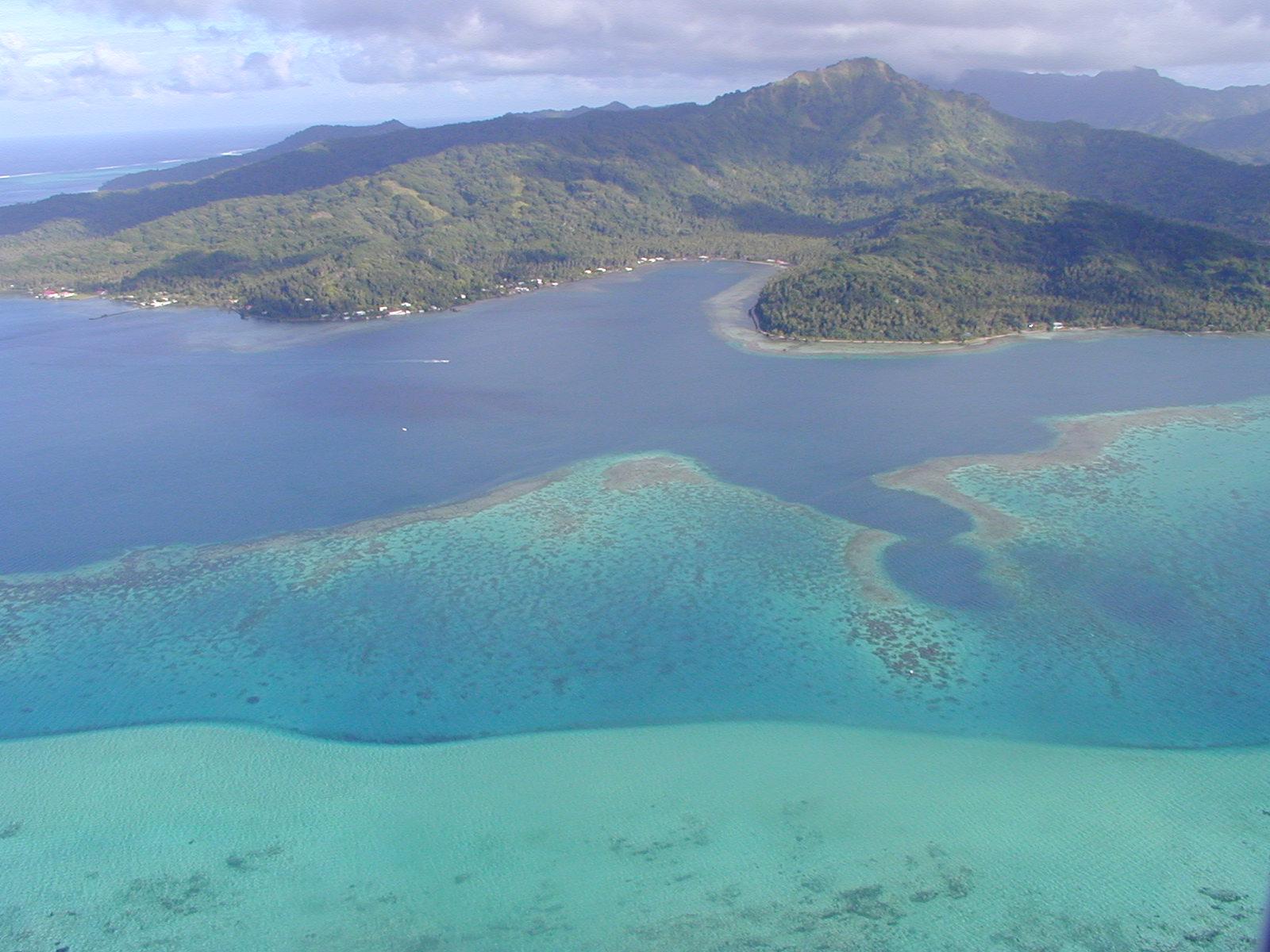
Taha'a
Taha'a lies north of Raiatea inside the same lagoon, with deeply indented bays, village roads and small offshore motu. Vanilla growing, pearl cultivation and lagoon outings are central to a visit, with a rural atmosphere that rewards time ashore as well as on the water.
Read the field guidePhoto credits7
- Depicts: Bora Bora
- Depicts: Huahine
- Area image: Raiatea, Society IslandsA view from the AR 72 airplane (Over Society Islands - French Polynesia). Author: Sergio Calleja (Life is a trip) from Barcelona, Spain. Credit: A view from the AR 72 airplane (Over Society Islands - French Polynesia). License: CC BY-SA 2.0 (https://creativecommons.org/licenses/by-sa/2.0). Source: https://commons.wikimedia.org/wiki/File:A_view_from_the_AR_72_airplane_(Over_Society_Islands_-_French_Polynesia).jpgCropped to fit the display.
- Depicts: Moorea
- Depicts: PapeetePapeete - Marina Taina. Author: Remi Jouan. Credit: Photo taken by Remi Jouan. License: CC BY-SA 3.0 (https://creativecommons.org/licenses/by-sa/3.0/). Source: https://commons.wikimedia.org/wiki/File:Papeete_-_Marina_Taina.JPGCropped to fit the display.
- Depicts: RaiateaRaiatea, Tahiti - panoramio. Author: David Broad. Credit: https://web.archive.org/web/20161123171358/http://www.panoramio.com/photo/31628915. License: CC BY 3.0 (https://creativecommons.org/licenses/by/3.0). Source: https://commons.wikimedia.org/wiki/File:Raiatea,_Tahiti_-_panoramio.jpgCropped to fit the display.
- Depicts: TahaʻaTahaa vue aérienne - Laurent Seignobos. Author: Laurent Seignobos. Credit: Own work. License: CC BY-SA 4.0 (https://creativecommons.org/licenses/by-sa/4.0). Source: https://commons.wikimedia.org/wiki/File:Tahaa_vue_a%C3%A9rienne_-_Laurent_Seignobos.jpgCropped to fit the display.
