
Fiji.
Fiji offers much more than a single resort island: mountainous interiors, village communities, city markets and reefs make different journeys possible within the same South Pacific country. Decide whether your priority is an easy beach holiday, island hopping or exploring the larger islands before choosing accommodation.
Photo credits1
A little closer to Fiji
Geography, regions and practical details from the country guide. Go straight to a chapter, or browse every destination below.
Go straight to the destinationsFiji offers much more than a single resort island: mountainous interiors, village communities, city markets and reefs make different journeys possible within the same South Pacific country. Decide whether your priority is an easy beach holiday, island hopping or exploring the larger islands before choosing accommodation.
The mainland and outer islands require different planning. A short stay works better with one island group and realistic transfer time; a longer trip can combine coastal relaxation with towns, rainforest walks and cultural visits. Leave room between an island transfer and your international flight.
Understanding the islands
Viti Levu is the largest island. Nadi and nearby Lautoka are on its western side, while the capital, Suva, lies in the southeast. Vanua Levu is farther northeast, with Taveuni off its southeastern coast. Mountains give the larger islands contrasting landscapes: wetter eastern slopes and generally drier western districts.
Choosing a region
The Mamanuca islands lie off western Viti Levu; the Yasawa chain extends farther northwest with steep hills and separated beach communities. The Coral Coast offers a mainland alternative. Savusavu on Vanua Levu suits a quieter town-and-water itinerary, while Taveuni adds rainforest and waterfalls. Levuka in Lomaiviti brings historic streets; southern Kadavu is associated with the Great Astrolabe Reef. Remote Lau requires more specialist arrangements.
Language and everyday encounters
English is widely used in visitor services and communication. Indigenous iTaukei languages have regional variations, and Fiji Hindi is spoken within Indo-Fijian communities. These languages reflect a diverse society rather than a single resort culture. Bula is a familiar greeting and vinaka means thank you; learning both makes everyday exchanges more personal.
Money and payments
The currency is the Fiji dollar, FJD. Cards are useful in larger hotels, shops and restaurants, but surcharges may apply. Carry cash for markets and smaller businesses. Obtain what you need before leaving major towns: an outer-island stay should not depend on finding an ATM. Ask your accommodation how transfers, meals and the final bill are paid.
Visiting communities respectfully
Village visits are hosted encounters. Arrange an introduction, follow your guide on the sevusevu welcome and cover shoulders and knees. Remove shoes when entering homes and ask before photographs. Sunday visits need particular agreement with hosts. Meke performances convey stories through dance and song; woven mats, carved bowls and masi barkcloth express other local traditions.
What to try
Look for kokoda, fish prepared with citrus, and a lovo meal cooked in an earth oven. Dalo and cassava are common starches, while Indo-Fijian curries add another important part of the food culture. Markets provide a different experience from resort dining. For an isolated island, check whether your room price includes meals or requires a separate plan.
Weather and timing
May to October is generally the cooler, drier period. November to April is warmer, more humid and wetter. That seasonal pattern does not guarantee a particular day at sea. Eastern and western parts of the large islands can feel different, so pack for your actual route and allow flexibility when a boat trip is weather dependent.
Planning the connections
Nadi is the main international gateway. Mainland transfers include taxis, buses, hotel transport and rental cars; traffic drives on the left. Confirm the actual marina or jetty on every island booking, rather than treating a hotel name as a departure point. Longer island combinations need a transfer plan as well as a room reservation.
Before leaving home
Check Fiji Immigration for the rules applying to your passport and purpose of travel; some nationalities require a visa before departure. Declare food and other regulated plant or animal items on arrival as directed by Biosecurity Fiji. Bring the appropriate Australian/New Zealand-style plug adaptor and arrange essential supplies before heading to a small island.
Good to know before you go
Is Nadi the capital?
No. Suva is the capital, while Nadi is the main international air gateway on the opposite side of Viti Levu.
Can I assume all island hotels include meals?
No. Meal arrangements differ. Check the room terms, any compulsory meal plan and the transfer charge before comparing totals.
Do I need cash on the outer islands?
Arrange cash before departure for small purchases, while also checking whether your accommodation settles its main account by card.
Can I walk into a village independently?
Arrange permission and an introduction through a host or guide. Follow the community’s dress, photography and visiting protocols.
Sources & references
These references support the guide. Confirm opening hours, access and travel services before you go.
- 01Tourism Fiji — destination guide
- 02Tourism Fiji — geography
- 03Tourism Fiji — regions
- 04Tourism Fiji — culture and languages
- 05Tourism Fiji — culture and traditions course
- 06Tourism Fiji — village etiquette
- 07Tourism Fiji — Nadi practical tips
- 08Tourism Fiji — climate
- 09Fiji Immigration — entering Fiji
- 10Biosecurity Authority of Fiji — arriving into Fiji
- 11Tourism Fiji — practical information
Find your place in Fiji
Open the guides, get a feel for the differences between places, and find the ones that fit your plans.
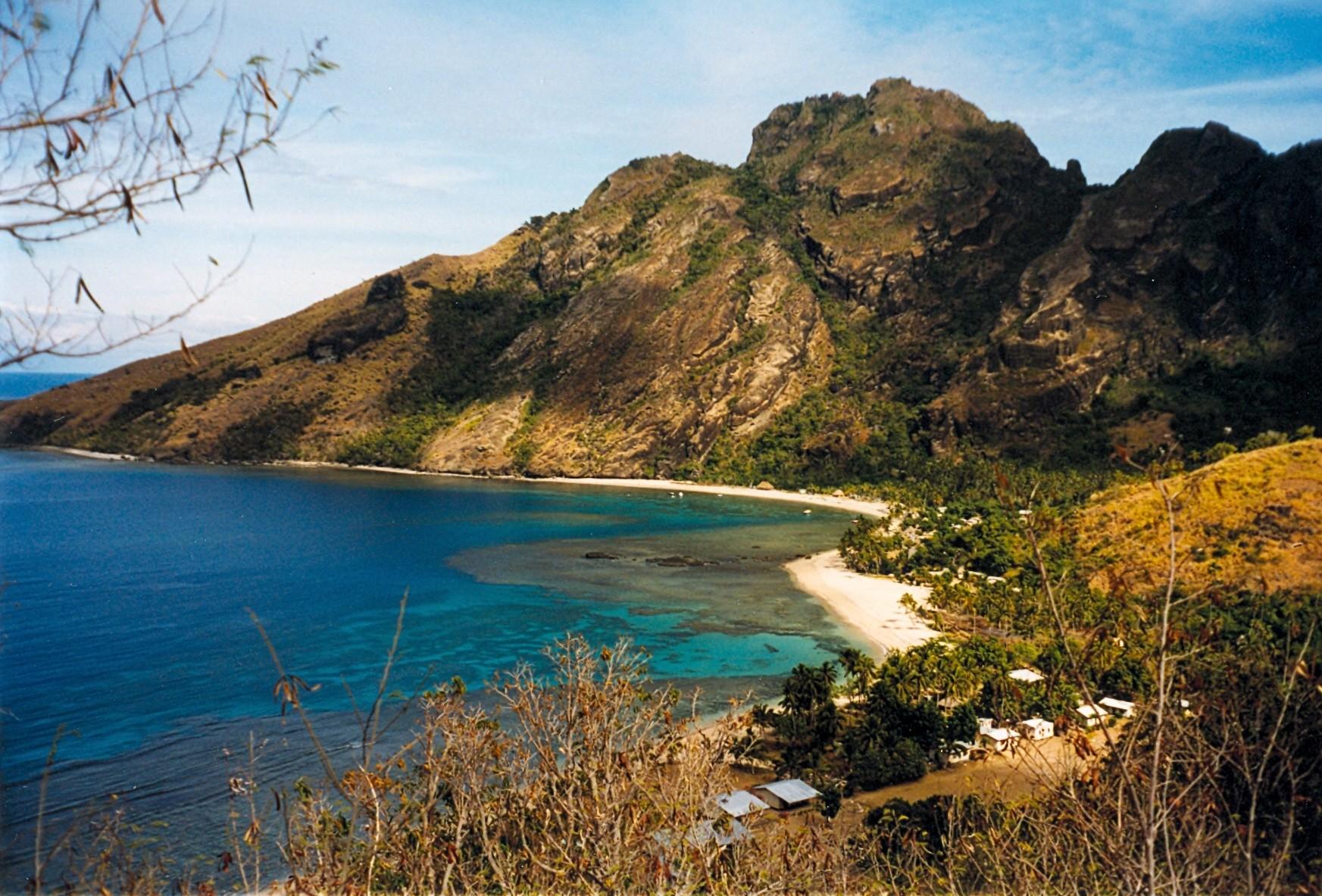 Yasawa Islands overview
Crystal Island
Crystal Island is a private reef island off the northeastern side of Naviti in the Yasawa group. Its operator locates it near Somosomo and also uses the name Nanuyabalavu. The attraction is an exclusive island stay centred on a lagoon, reef and villa rather than a town with independent visitor services.
Read the field guide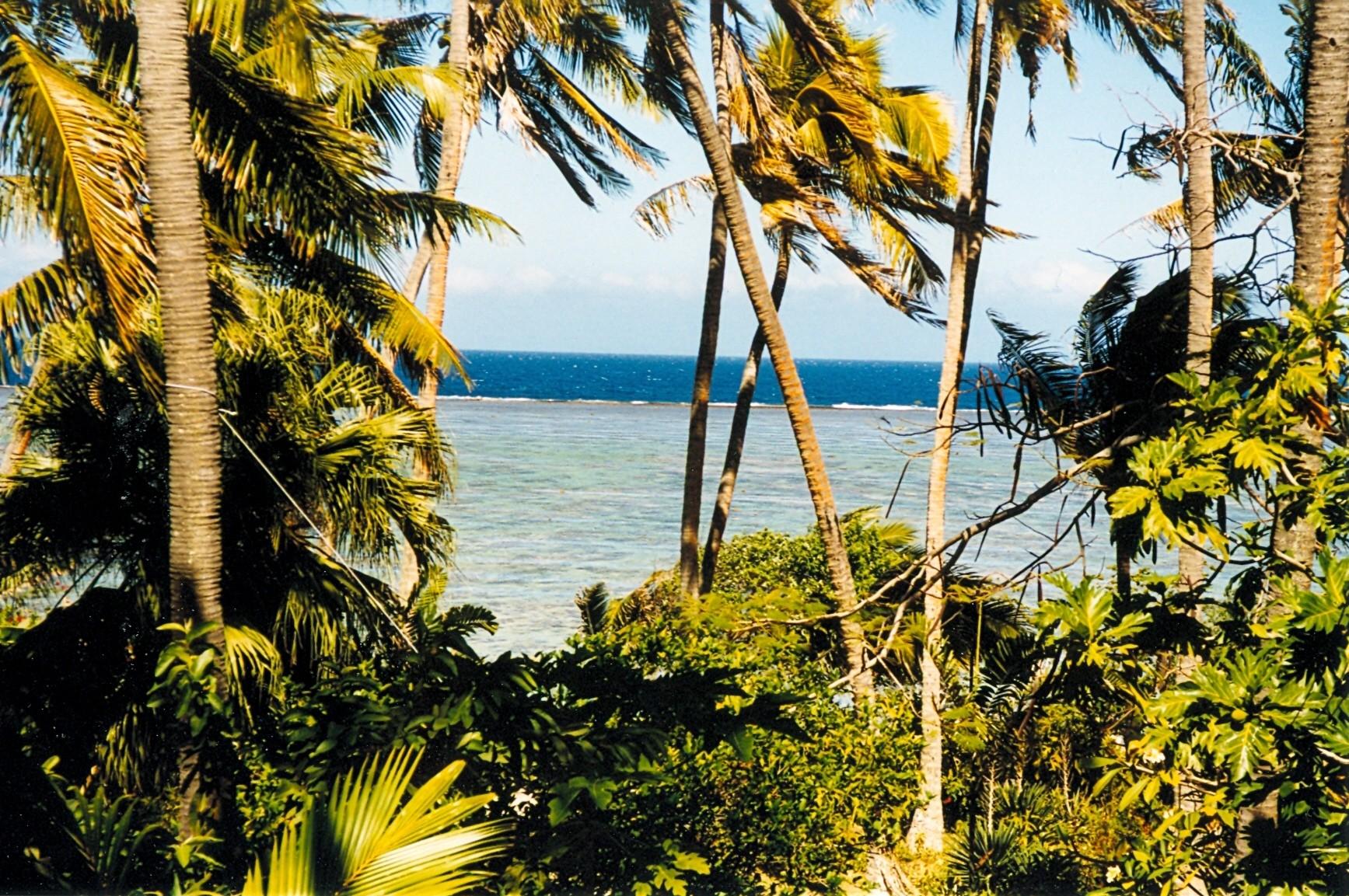 Viti Levu overview
Denarau Island–Nadi
Denarau is the resort and marina side of the Nadi area on western Viti Levu. Port Denarau is a practical starting point for the Mamanuca and Yasawa islands, while its waterfront restaurants and larger hotels make it possible to settle into Fiji before taking a boat.
Read the field guideYasawa Islands overviewDrawaqa Island / Barefoot Manta
Drawaqa is the Yasawa island occupied by Barefoot Manta Island Resort, with three beaches and reefs that make the sea the centre of a visit. Its northern channel towards Naviti is associated with seasonal manta feeding, while the island's conservation work provides a useful introduction to the marine environment.
Read the field guideYasawa Islands overviewKuata Island / Barefoot Kuata
Kuata introduces the southern Yasawas with volcanic rock formations, beach accommodation and marine activities. Barefoot Kuata is the named resort stop here, developed in partnership with landowners from neighbouring Wayalailai. It combines an island setting with a shorter position along the Yasawa ferry route than the northern islands.
Read the field guide
Lautoka
Lautoka is a working port city on the west coast of Viti Levu, with sugar-industry history, busy market streets and a waterfront departure point for the Yasawas. Its value as a stop lies in everyday Fiji: produce stalls, Indian sweets, urban gardens and the hills rising behind the coast.
Read the field guide
Malolo Lailai Island
Malolo Lailai is a Mamanuca island with several distinct resort bases: Plantation Island, Musket Cove and Lomani. A regular Malolo Cat connection from Port Denarau makes it a useful choice for travellers who want island days with a comparatively straightforward mainland link.
Read the field guideYasawa Islands overviewMatacawalevu Island / Bay of Plenty
Matacawalevu is a hilly volcanic island in the Yasawas, with sandy shoreline, mangrove-fringed bays and village land. The Bay of Plenty name identifies a small lodge setting here, not the New Zealand region of the same name. Expect a stay organised around your hosts, coastal walks and boat outings.
Read the field guide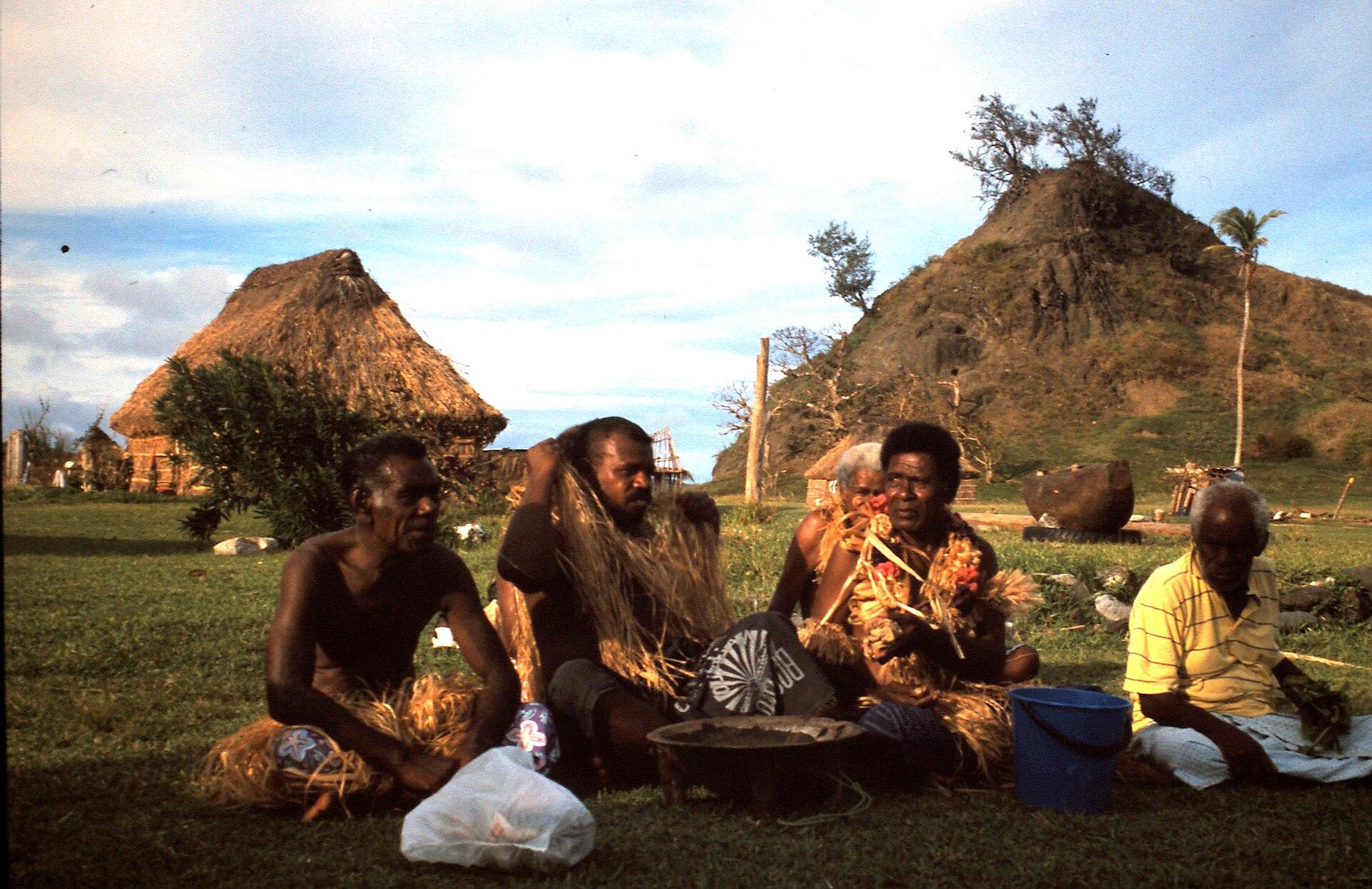 Yasawa Island overview
Nabukeru
Nabukeru is a village on the eastern coast of Yasawa Island, in the northern part of the Yasawa chain. Its setting links everyday village life with the limestone scenery around Sawa-i-Lau. Come for a hosted encounter with the community and the surrounding coast, rather than expecting a resort town with a waterfront shopping strip.
Read the field guide
Nacula Island
Nacula is a northern Yasawa island of beach bays, hills and living villages. It suits travellers who want a few days in one place, with reef time and a hosted introduction to island life. Blue Lagoon Beach Resort and Oarsman’s Bay Lodge offer different styles of stay along its coast.
Read the field guideYasawa Islands overviewNanuya Balavu / Mantaray Island Resort
Nanuya Balavu is the Yasawa island home of Mantaray Island Resort, in the island group south of Naviti. A house reef and seasonal manta-ray excursions give this small island a clear focus: spend time in the water, with beach and village activities between outings.
Read the field guideYasawa Islands overviewNaukacuvu Island / Paradise Cove
Naukacuvu is the Yasawa island home of Paradise Cove Resort, set around a sandy bay with a house reef close to shore. It offers an island stay with several dining choices, pools, a spa and activities that can suit both families and adults seeking quieter accommodation.
Read the field guideWaya island overview — Yalobi BayWaya Island / Octopus Resort
Waya rises dramatically above the southern Yasawa seas, with village life, hiking terrain and sheltered-looking bays beneath volcanic ridges. The ferry destination associated with Octopus Resort points to its base in Likuliku Bay, where a long beach and reef support both active and restful stays.
Read the field guide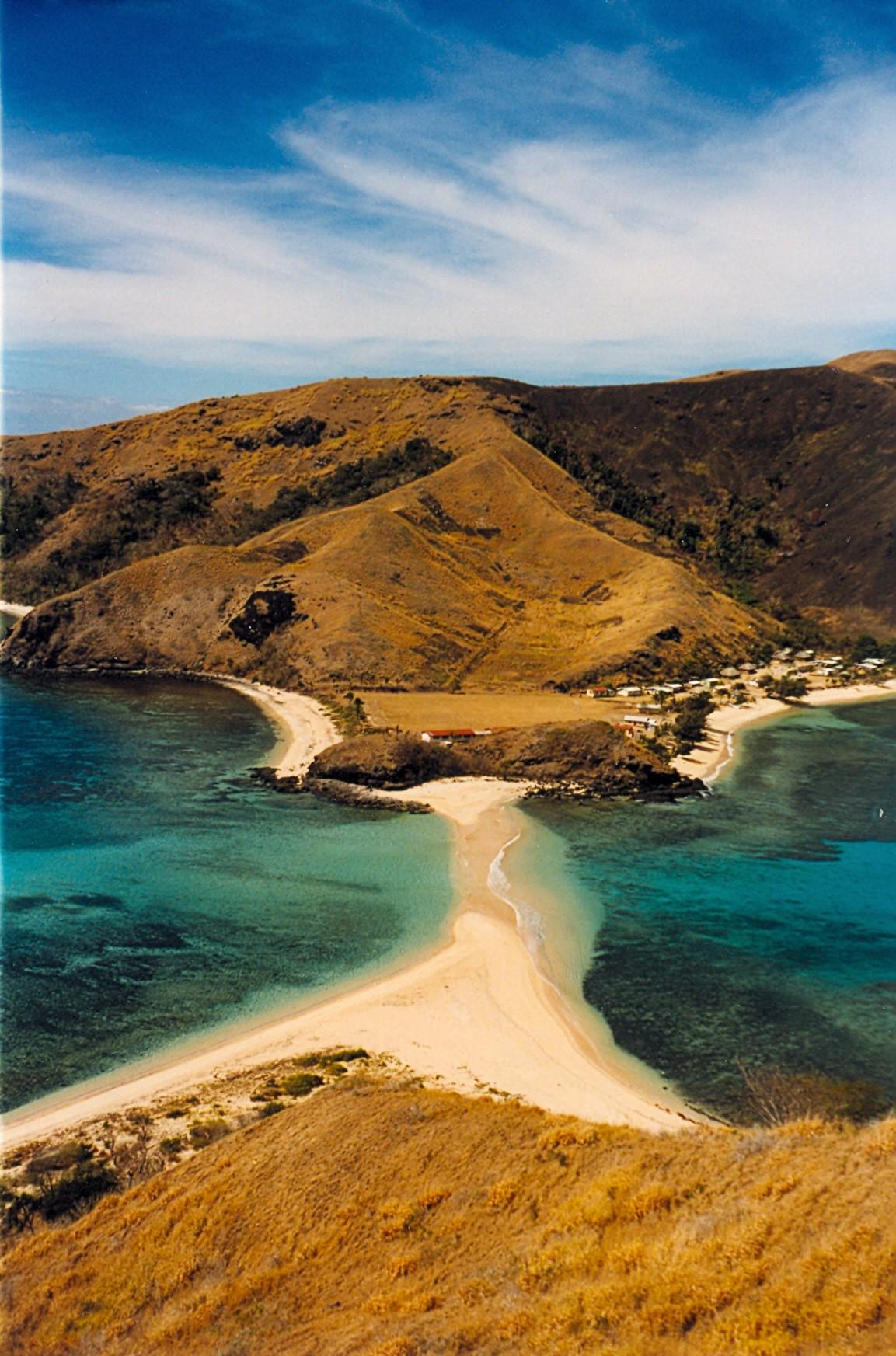
Wayasewa (Wayalailai) Island
Wayasewa, also called Wayalailai or Little Waya, is a mountainous island in the southern Yasawas. Its volcanic outline rises above beaches facing neighbouring Kuata, and the local lodges offer a close connection with village life as well as reef and walking activities.
Read the field guideYasawa Islands overviewYaqeta Island / Navutu Stars
Yaqeta is a Yasawa island where village life, planted hillsides and sheltered bays give a stay more variety than a beach photograph suggests. Navutu Stars is the small resort associated with this ferry destination; its waterfront is a useful base for exploring the island, rather than a separate town.
Read the field guidePhoto credits7
- Area image: Yasawa Islands — Yasawa Islands overviewWayaYalobi. Author: User:Doron. Credit: Own work. License: CC BY-SA 3.0 (https://creativecommons.org/licenses/by-sa/3.0/). Source: https://commons.wikimedia.org/wiki/File:WayaYalobi.jpgCropped to fit the display.
- Area image: Beach at Korotogo, Coral Coast of Viti Levu, Fiji. — local overview of Viti Levu. — Viti Levu overviewKorotogo. Author: User:Doron. Credit: Own work. License: CC BY-SA 3.0 (https://creativecommons.org/licenses/by-sa/3.0/). Source: https://commons.wikimedia.org/wiki/File:Korotogo.jpgCropped to fit the display.
- Depicts: LautokaLautoka-Vitogo-Parade. Author: Kgx. Credit: Own work. License: CC BY-SA 4.0 (https://creativecommons.org/licenses/by-sa/4.0). Source: https://commons.wikimedia.org/wiki/File:Lautoka-Vitogo-Parade.jpgCropped to fit the display.
- Depicts: Malolo Lailai IslandMalolo Lailai Beach. Author: Mj Blanchet. Credit: Imported from 500px ( archived version ) by the Archive Team . ( detail page ). License: CC BY-SA 3.0 (https://creativecommons.org/licenses/by-sa/3.0). Source: https://commons.wikimedia.org/wiki/File:Malolo_Lailai_Beach_(105663155).jpegCropped to fit the display.
- Area image: Yasawa Island — Yasawa Island overviewYasawa3. Author: American ( Diskussion ). Credit: Self-photographed. License: CC BY-SA 3.0 (https://creativecommons.org/licenses/by-sa/3.0). Source: https://commons.wikimedia.org/wiki/File:Yasawa3.jpegCropped to fit the display.
- Depicts: Nacula IslandH35 (15166973162). Author: Victor Ulijn. Credit: H35. License: CC BY-SA 2.0 (https://creativecommons.org/licenses/by-sa/2.0). Source: https://commons.wikimedia.org/wiki/File:H35_(15166973162).jpgCropped to fit the display.
- Depicts: Wayasewa (Wayalailai) IslandWayaWayasewa. Author: User:Doron. Credit: Own work. License: CC BY-SA 3.0 (https://creativecommons.org/licenses/by-sa/3.0/). Source: https://commons.wikimedia.org/wiki/File:WayaWayasewa.jpgCropped to fit the display.
