
Cabo Verde (Cape Verde).
Cabo Verde is an Atlantic island country off West Africa, with beaches, mountain valleys and city music scenes that call for different kinds of trip. Decide whether you want a beach base, walking days or cultural visits before choosing an arrival island. A resort stay and a journey through several islands have different transport needs.
Photo credits1
- Depicts: Cabo Verde (Cape Verde)
A little closer to Cabo Verde (Cape Verde)
Geography, regions and practical details from the country guide. Go straight to a chapter, or browse every destination below.
Go straight to the destinationsCabo Verde is an Atlantic island country off West Africa, with beaches, mountain valleys and city music scenes that call for different kinds of trip. Decide whether you want a beach base, walking days or cultural visits before choosing an arrival island. A resort stay and a journey through several islands have different transport needs.
Build an itinerary around a manageable island group. São Vicente and Santo Antão make a useful cultural and walking combination; Santiago and Fogo offer another set of contrasts. Allow a proper transfer day when moving between islands rather than treating the archipelago as a continuous coastal road.
Geography
Ten islands form the archipelago, nine inhabited; Santa Luzia is the uninhabited island. Praia, the national capital, is on Santiago. The islands are commonly grouped into northern Barlavento and southern Sotavento, with ocean passages separating the individual destinations.
Sal, Boa Vista and Maio are generally flatter and drier than the rugged landscapes of Santo Antão or Fogo. These differences affect the shape of a visit: sandy shorelines, steep walking routes and volcanic terrain need different footwear, transport and preparation.
Regions to explore
On Santiago, combine Praia with Cidade Velha, the former capital, for an introduction to the islands' colonial history. Its fort, churches and historic streets deserve interpretation that acknowledges slavery as well as architecture. Tarrafal's former prison and Resistance Museum tell another part of that history.
Mindelo on São Vicente is a base for markets, music and cultural spaces. Across the water, Santo Antão's valleys and village trails suit a walking itinerary. Fogo centres a different experience on the volcanic landscape of Chã das Caldeiras; organise mountain walks with a local guide. Choose Sal or Boa Vista when extensive sandy coastlines are the main priority.
Languages
Portuguese is the official language and is used in written communication, while Cabo Verdean Creole is central to daily conversation. English assistance varies between tourism businesses. Retain the Portuguese name of the island, town and port in your booking notes, especially where a translated island label differs from the ticket or a driver's directions.
Money and payments
The national currency is the Cabo Verdean escudo, CVE. Euros are accepted by some businesses, but that does not make them a universal substitute for local money. Ask what exchange rate and change will apply before paying. Cards and cash machines are available in principal towns, while small purchases and onward transfers may call for escudos; confirm payment arrangements in advance.
Local culture
Morna joins song, poetry, instruments and dance, often expressing departure, longing and reunion. It is a living community tradition recognised by UNESCO, not just a soundtrack for visitors. In Mindelo, look for a locally presented performance or cultural programme and check its actual date.
Cachupa is a slow-cooked dish based on maize, with beans and varying vegetables, meat or fish. Recipes differ, so ask about ingredients rather than assuming a vegetarian or seafood preparation. Fish, local produce and regional dishes make food part of the island-to-island experience.
Before you travel
The climate is mainly arid or semi-arid, with a shorter wetter period and marked differences between exposed coasts and mountainous islands. Plan for wind and sun, and check local conditions before a mountain walk or sea journey. A pleasant day on land does not guarantee an easy crossing.
Inter-island ferries and domestic flights require date-specific planning. Public operator information lists routes such as São Vicente–Santo Antão and Santiago–Fogo–Brava, but this does not guarantee a suitable departure every day. Confirm the exact port, check-in and baggage arrangements, then leave a buffer before your international flight. Check current passport, visa and traveller-registration requirements through official channels for your nationality.
Good to know before you go
Is Praia on Sal?
No. Praia is the capital on Santiago. Choose your arrival island and final accommodation separately.
Does every island have the same landscape?
No. Sal, Boa Vista and Maio are relatively flat; Santo Antão and Fogo offer much more rugged terrain.
Can I visit Santo Antão from São Vicente?
A ferry connection is published between the islands. Check the date and allow onward transport to the valley or village you intend to visit.
Can I pay only in euros?
Some businesses accept euros, but local escudos remain useful. Confirm payment and change arrangements rather than assuming universal acceptance.
Sources & references
These references support the guide. Confirm opening hours, access and travel services before you go.
- 01Cabo Verde Tourism: geography
- 02Cabo Verde Tourism: climate
- 03Cabo Verde Tourism: travel information
- 04Cabo Verde TradeInvest: official language and currency
- 05Cabo Verde Tourism: gastronomy
- 06UNESCO: Morna
- 07Cabo Verde Tourism: Santiago
- 08Cabo Verde Tourism: Fogo
- 09Cabo Verde Tourism: São Vicente
- 10Cabo Verde Tourism: islands
- 11CV Interilhas: public route information
Find your place in Cabo Verde (Cape Verde)
Open the guides, get a feel for the differences between places, and find the ones that fit your plans.
 Local overview of Boa Vista
Boa Vista
Sal Rei is Boa Vista’s capital and a natural first stop, with a harbour, colourful streets, museum and island welcome. Boa Vista combines broad white beaches with a dry interior. Rabil preserves an older village character, while the Viana Desert gives the centre a striking dune landscape.
Read the field guide
Brava
Brava is Cabo Verde's smallest inhabited island, with cultivated valleys, flowers and a strong musical identity. Furna is its maritime gateway, while Nova Sintra is the main inland town. A visit centres on village life, walking and mountain views rather than a large resort strip.
Read the field guide
Fogo
São Filipe is Fogo's western gateway, with colourful historic architecture and Vale de Cavaleiros port nearby. The town offers a gentle introduction to an island whose centre rises into a very different volcanic landscape. Allow time for streets and local history alongside the mountain excursion.
Read the field guide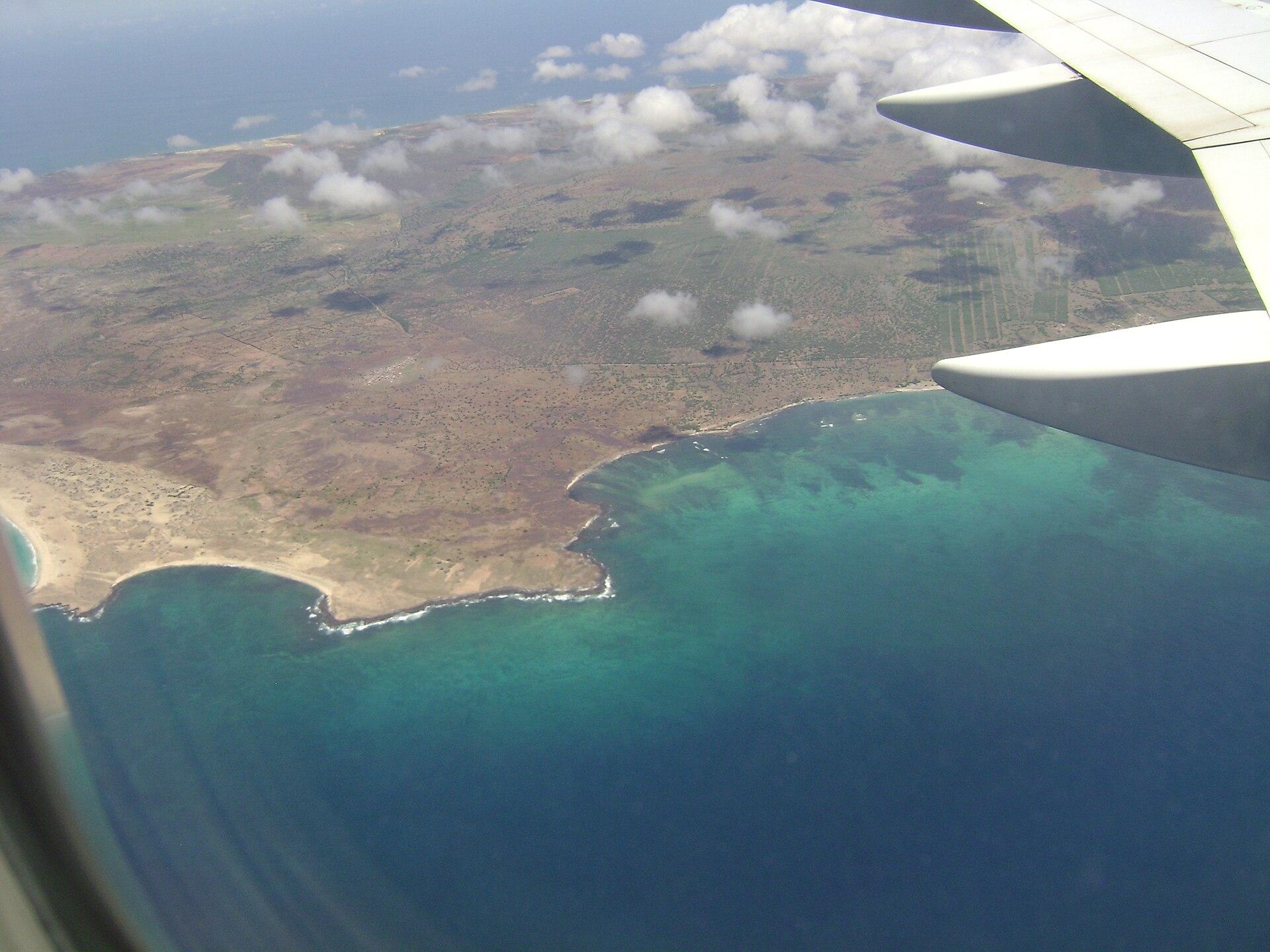
Maio
Maio combines a dry island landscape with saltpans, small settlements and long stretches of coast. Its story is closely tied to salt production, and a visit to Porto Inglês helps connect the working landscape with the island's history. The island and surrounding marine area form a UNESCO Biosphere Reserve, recognised in 2020.
Read the field guide
Sal
Sal is one of Cabo Verde's best-known beach islands, with Santa Maria as its main visitor town. Pale sand and water sports shape many holidays, but the island's salt heritage and everyday town life deserve time too. The port settlement of Palmeira and inland Espargos offer different perspectives from the resort coast.
Read the field guide
Santiago
Santiago combines the capital Praia with historic towns, rural valleys and a varied coast. Start with Praia's Plateau and its civic streets, then allow time for the markets and a journey inland. The island is large enough in character and terrain to reward more than a quick circuit between arrival and departure.
Read the field guide
Santo Antão
Santo Antão is a mountain island of volcanic ridges, cultivated valleys and small coastal communities. Porto Novo is the ferry gateway, while Ribeira Grande and Paul open up different sides of the greener north. Walking is a major reason to visit, but a valley stay with shorter outings can be just as rewarding as a demanding trekking itinerary.
Read the field guide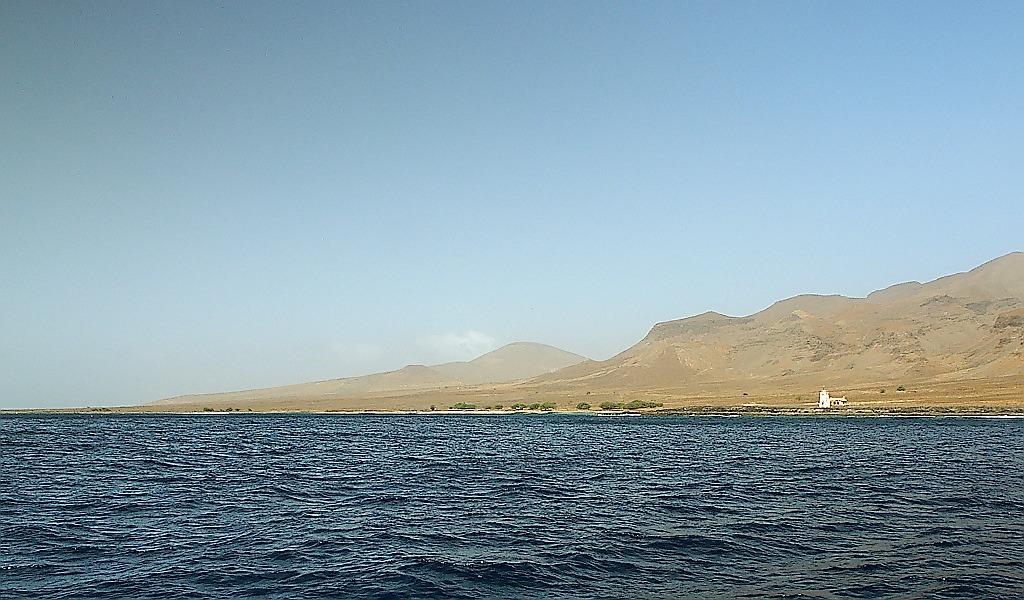 Local overview of São Nicolau
São Nicolau
São Nicolau combines Monte Gordo's mountain landscape with the coastal communities of Tarrafal and Preguiça. Ribeira Brava provides the historic inland setting, with narrow streets and older buildings. It is an island for choosing a few walks, meeting everyday town life and leaving time for the coast, rather than trying to rush between every viewpoint.
Read the field guide
São Vicente
Mindelo is São Vicente's main town, gathered beside Porto Grande Bay and closely associated with Cabo Verde's music and maritime history. It is a rewarding place to spend time before or after a journey to Santo Antão, rather than using it only as a ferry connection. Museums, markets and an evening's cultural programme give a city stay its shape.
Read the field guidePhoto credits9
- Area image: Clubhotel RIU Karamboa in Island Boa Vista (Cape Verde). — local overview of Boa Vista.Clubhotel RIU Karamboa Boa Vista. Author: Felitsata. Credit: Own work. License: CC BY-SA 3.0 (https://creativecommons.org/licenses/by-sa/3.0). Source: https://commons.wikimedia.org/wiki/File:Clubhotel_RIU_Karamboa_Boa_Vista.jpgCropped to fit the display.
- Depicts: BravaFurna Cape Verde. Author: Ingo Wölbern. Credit: Own work. License: Public domain (https://creativecommons.org/publicdomain/mark/1.0/). Source: https://commons.wikimedia.org/wiki/File:Furna_Cape_Verde.jpg
- Depicts: FogoAlyssa K. Barry Fogo, Cape Verde. Author: Kalyss. Credit: Own work. License: CC BY-SA 4.0 (https://creativecommons.org/licenses/by-sa/4.0). Source: https://commons.wikimedia.org/wiki/File:Alyssa_K._Barry_Fogo,_Cape_Verde.jpgCropped to fit the display.
- Depicts: MaioV DSC00097. Author: Xandu. Credit: Own work. License: Public domain (https://creativecommons.org/publicdomain/mark/1.0/). Source: https://commons.wikimedia.org/wiki/File:V_DSC00097.JPG
- Depicts: Sal
- Depicts: SantiagoFarol da Ponta de Leste 2025 - 01. Author: JeLuF. Credit: Own work. License: CC0 (https://creativecommons.org/publicdomain/zero/1.0/). Source: https://commons.wikimedia.org/wiki/File:Farol_da_Ponta_de_Leste_2025_-_01.jpg
- Depicts: Santo AntãoSanto antão. Author: Mário Gomes da Silva Junior. Credit: Own work. License: CC BY-SA 4.0 (https://creativecommons.org/licenses/by-sa/4.0). Source: https://commons.wikimedia.org/wiki/File:Santo_ant%C3%A3o.jpgCropped to fit the display.
- Area image: Côte de l'île de São Nicolau — local overview of São Nicolau.Sao-nicolau. Author: Fanny Schertzer. Credit: Own work. License: CC BY 2.0 (https://creativecommons.org/licenses/by/2.0). Source: https://commons.wikimedia.org/wiki/File:Sao-nicolau.jpgCropped to fit the display.
- Depicts: São Vicente
